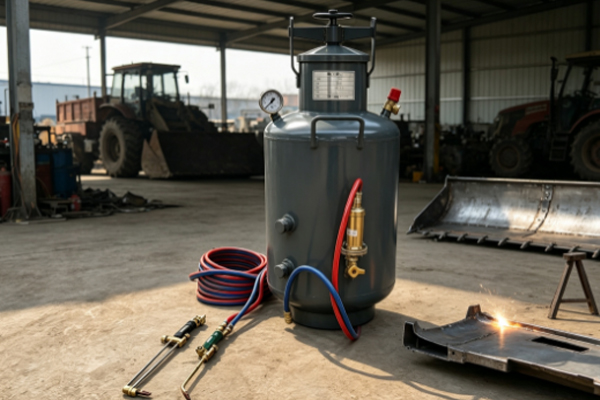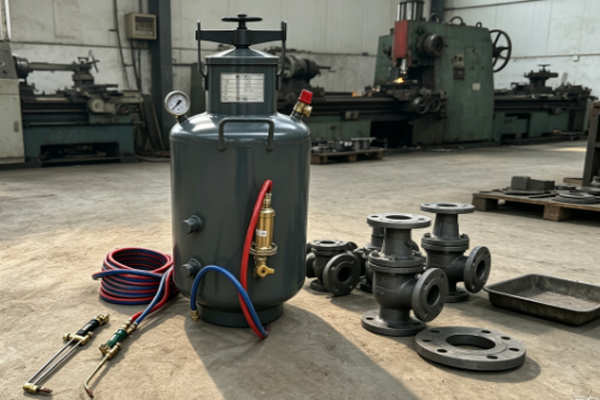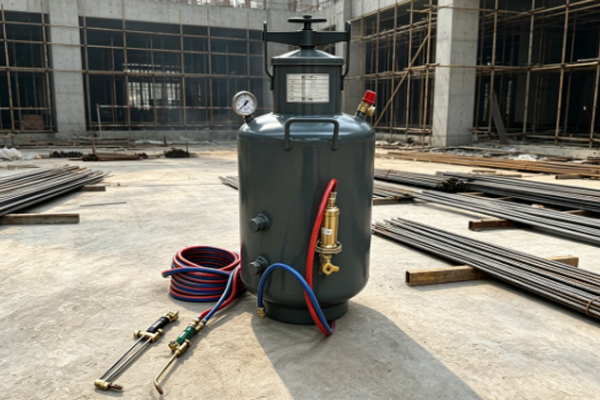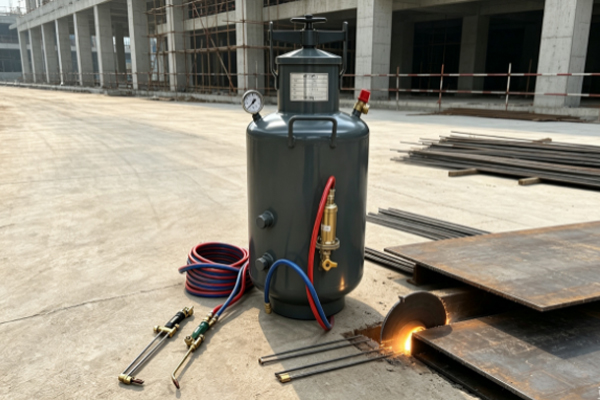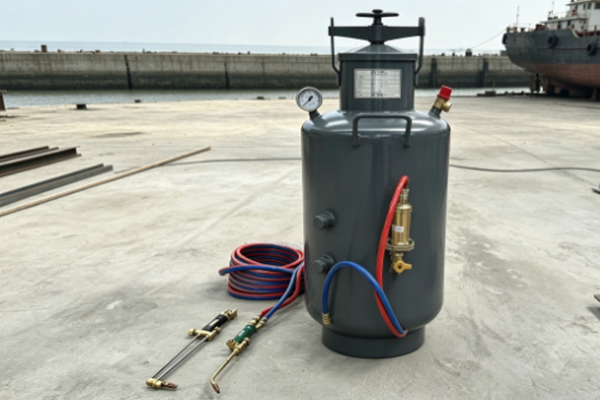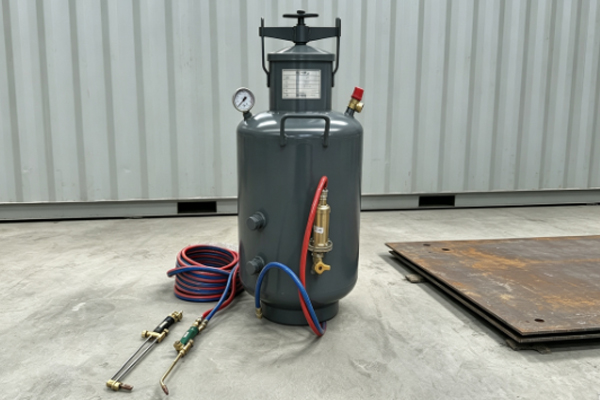
“Has our acetylene storage tank been in service for too long? Should we replace it?” This is a common question for purchasing and equipment management teams. In reality, the service life of an acetylene storage tank cannot be judged by age alone. The design service life, inspection records, tank condition, and actual operating conditions all matter. Some equipment can remain in service for many years when properly inspected and maintained, while other equipment may need to be taken out of service earlier because of corrosion, damage, or abnormal operating conditions. For companies buying new equipment or managing an older tank, knowing how acetylene storage tank use is evaluated can prevent unnecessary trouble.
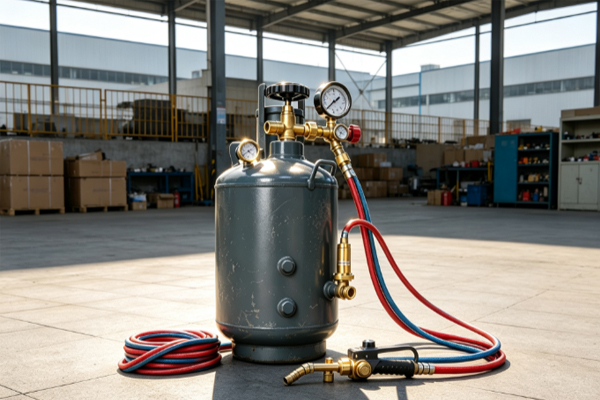
How Many Years Can an Acetylene Storage Tank Last? Check These 3 Records
When requesting a quotation, customers often ask directly, “How many years will it last?” A single fixed number, however, does not apply to every storage tank. The more useful information comes from the equipment’s design documents and service records. If you are purchasing a new acetylene storage tank, it is worth confirming these items in advance:
- Design service life: If the manufacturer has specified a design service life, the equipment should be managed according to those design requirements.
- Inspection records: For tanks that have already been used, check annual inspections, periodic inspections, and the relevant inspection conclusions.
- Actual equipment condition: Corrosion, cracks, visible deformation, or mechanical damage can all affect continued service.
If you are currently purchasing an acetylene storage tank, ask the supplier for the equipment specifications, design documents, quality certificates, and dimensional drawings. Clear documentation makes equipment selection, installation planning, and quotation discussions much easier, while also reducing the risk of purchasing equipment that does not fit the actual job requirements.
What Should You Do After Using an Acetylene Storage Tank for 5, 10, or 15 Years?
Using a storage tank for 5, 10, or 15 years does not automatically mean that it must be replaced. Pressure vessels require ongoing inspections and periodic examinations, with the actual inspection schedule also affected by the equipment’s safety condition and operating environment.
One point that is easy to confuse is this: service life and inspection intervals are not the same thing.
Routine management should not begin only after a problem appears. Pressure vessel users generally need to carry out an annual inspection at least once a year, while periodic inspections should also be arranged in advance. For an acetylene storage tank that has been operating for many years, pay particular attention to:
- Any corrosion that appears to be progressing.
- Abnormal conditions around welded areas.
- Whether pressure gauges, safety valves, and other safety accessories remain in proper working condition.
- Whether the operating conditions of the storage tank have changed significantly.
If equipment has been in service for many years but has incomplete inspection or maintenance records, it is better to have qualified professionals evaluate its condition before putting it back into operation. If replacement is being considered, companies can also provide the supplier with photos of the existing tank, its service age, working conditions, and gas consumption requirements. This gives the supplier enough information to recommend a suitable equipment configuration before discussing the final quotation.
What Can Cause an Acetylene Storage Tank to Be Taken Out of Service Early?
Equipment service life is not simply a fixed timeline. Long-term exposure to unsuitable conditions or mechanical damage can change the condition of a storage tank. When these problems appear, the fact that the tank has “not reached its service life” is not enough to justify continued operation.
Common warning conditions include:
- Severe corrosion.Significant corrosion of the tank may affect its pressure-bearing safety.
- Cracks or visible deformation.Abnormalities in pressure-bearing areas require professional inspection.
- Gas leakage.Follow the site’s emergency procedures immediately and have the equipment checked by trained and authorized personnel.
- Abnormal safety accessories.Failed or abnormal gauges, safety valves, or other safety components require timely attention.
If a company discovers an obvious abnormality, it should not attempt to dismantle or repair pressure-bearing components on its own. For older equipment with an uncertain condition, prepare the equipment nameplate information, inspection records, and site photos, then consult a qualified professional or experienced supplier. This is a much more practical way to decide whether the equipment should continue operating, be inspected, or be replaced.
Can an Acetylene Storage Tank Still Be Used After 20 Years?
If a pressure vessel does not have a clearly specified design service life, TSG 21—2016 provides that a pressure vessel that has been in actual service for more than 20 years is regarded as having reached its design service life. If continued use is required, it should be inspected by a qualified special equipment inspection organization. A safety assessment may also be required, together with the relevant procedures before continued operation. This does not mean that every tank is automatically scrapped as soon as it reaches 20 years; rather, it enters a stage requiring more stringent safety evaluation and management.
If your acetylene storage tank has been in service for many years and you are now dealing with equipment aging, an upcoming inspection deadline, increased production capacity, or the need to replace a centralized gas supply system, do not focus only on the equipment price when purchasing a replacement. Prepare information such as the tank’s application, daily gas consumption, operating hours, available installation space, and existing equipment condition. This allows the supplier to recommend a more suitable configuration. For new equipment, confirm the design documents, quality certificates, and dimensions in advance. For older equipment, keep inspection records and actual condition under proper management. This makes acetylene storage tank use easier to manage and also makes equipment selection, quotation, and replacement much more straightforward.