When buying acetylene, people who are serious about production cost calculations usually do not just ask, “How much does one cylinder cost?” They often want to know one more thing: How much does the acetylene actually cost per kilogram? This figure is more useful for welding factories, metal processing plants, and repair workshops. A single cylinder may not seem expensive, but the cost can add up over time. To calculate the acetylene price per kilogram accurately, you cannot simply divide the cylinder price by its capacity. Filling quantity, transportation, and the gas supply method also need to be taken into account.
How Is the Acetylene Price Per Kilogram Calculated? Start With the Actual Gas Quantity
Acetylene purchasing is not always settled directly at a “price per kg.” Many suppliers still charge based on gas cylinders, filling quantities, or gas supply contracts. After receiving a quotation, purchasing staff can convert different pricing methods into a per-kilogram price and then compare which option works better for their factory.
- Calculate by cylinder price: Divide the actual amount paid for one cylinder by the net acetylene filling weight to get the basic price per kilogram.
- Calculate by batch: Divide the actual cost of an entire batch of acetylene by the net weight of the gas to obtain the average batch price.
- Calculate the delivered cost: Add gas costs together with clearly stated delivery, transportation, and other applicable fees, then divide the total by the actual delivered weight. This gives a closer picture of the real cost paid by the business.
It is important to note that the gas inside an acetylene cylinder is not simply stored in an empty steel container and calculated by liquid weight. Dissolved acetylene has its own filling and measurement requirements. The pressure shown on the cylinder gauge also cannot be directly treated as an indication of how many kilograms of gas remain. For purchasing and settlement, it is better to check the supplier’s actual filling records and product markings.
How Much Is Acetylene Per Kilogram? Why Do Different Purchasing Methods Have Different Prices?
There is no single nationwide price for acetylene. Based on common domestic market conditions for bottled dissolved acetylene, the acetylene gas itself is generally around RMB 15–30 per kilogram, while the delivered price may reach around RMB 25–40 per kilogram in some regions when purchasing in small quantities, serving remote areas, or transporting over longer distances. For long-term bulk purchasing, prices are more likely to approach the lower end of the range. Small orders may also involve delivery fees, cylinder usage charges, or deposits.
When purchasing, it is worth confirming whether the quotation includes transportation and other service fees:
- Gas-only price: Generally around RMB 15–30 per kilogram.
- Delivered price with short-distance transportation: Commonly around RMB 20–35 per kilogram.
- Small-volume, long-distance, or special delivery: May reach RMB 30–40 per kilogram, depending on the local supplier.
- For stable, long-term gas consumption, suppliers may offer more flexible delivery schedules and settlement methods.
- Cylinder-bank centralized supply and individual-cylinder purchasing have different cost structures, so equipment and service costs should be calculated separately.
Acetylene cylinders are generally not priced directly according to pressure gauge readings. Settlement is usually based on actual filling quantity or the terms agreed in the supply contract. During purchasing, the real cost per kilogram can be calculated using “gas cost + transportation and additional fees” divided by the actual delivered weight. Since acetylene prices can vary with location, order quantity, cylinder specifications, transportation distance, and market conditions, the above figures should only be used as a reference for current supplier inquiries.
Should the Acetylene Storage Tank Price Be Included in the Cost Per Kilogram?
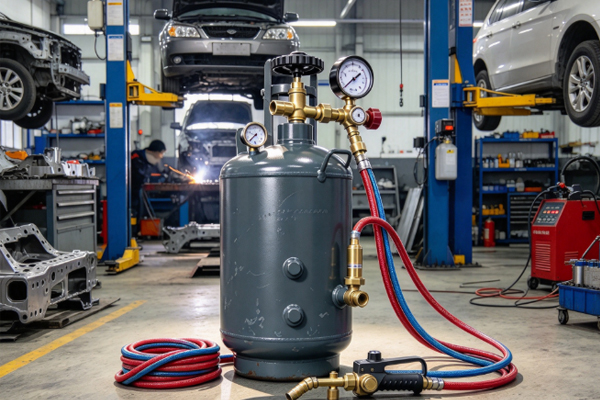
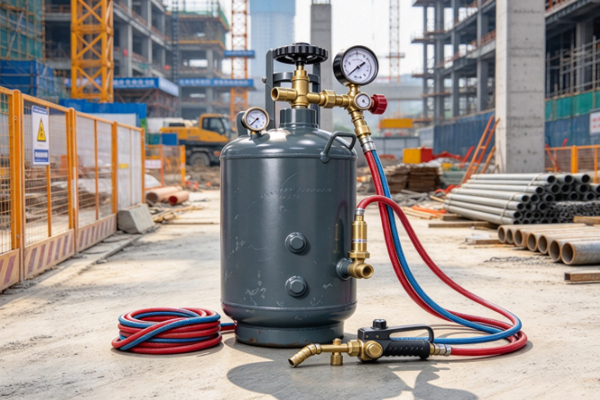
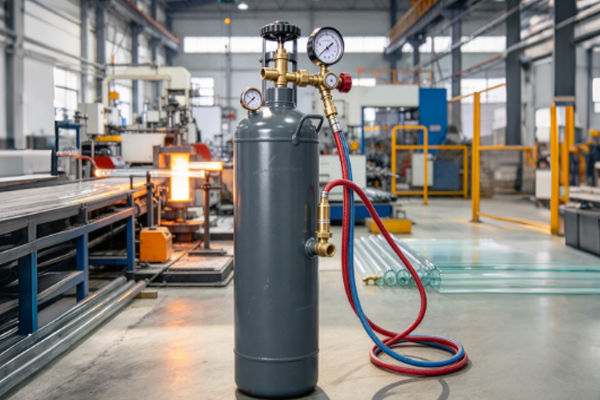
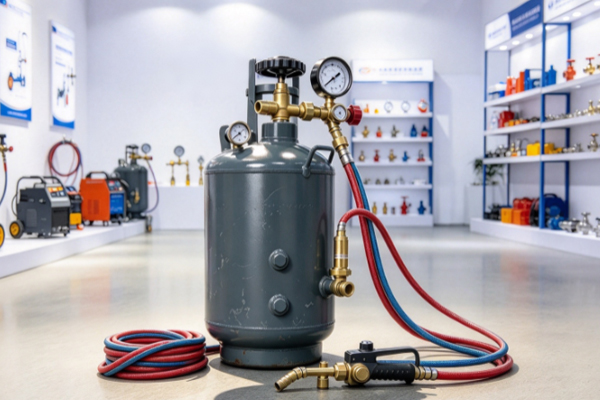
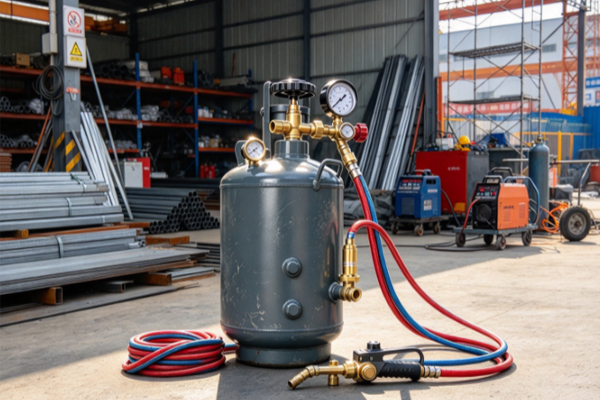
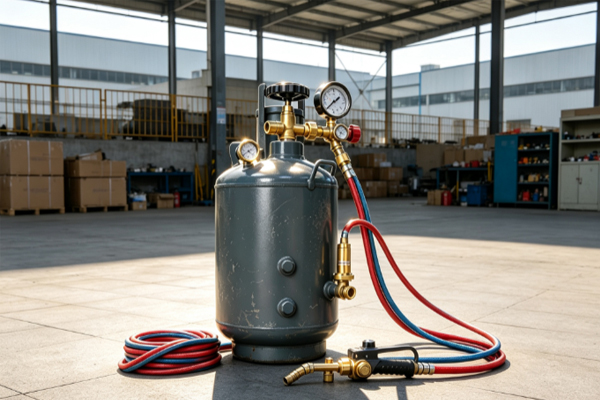
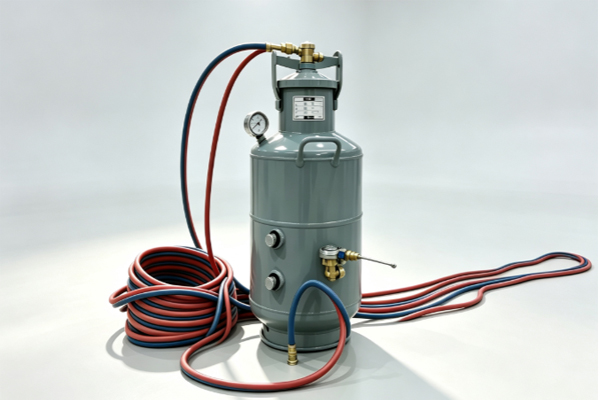
If a business only purchases bottled acetylene, gas purchasing costs and equipment investment can be calculated separately. If a centralized gas supply system is being built, however, looking only at the gas unit price is not enough. Acetylene storage tanks, cylinder banks, manifolds, pressure-reduction equipment, pipelines, and safety accessories can all create upfront investment costs. Putting all equipment costs directly into the price per kilogram can make the gas price appear very high in the short term, while leaving them out completely can underestimate the long-term cost of gas consumption. A more practical method is to list equipment investment as a fixed cost and allocate it according to the expected service life and actual gas consumption. This makes it easier to see both the current acetylene purchasing price and how much the complete gas supply system adds to the cost of each kilogram of gas.
How Can Factories Tell Whether the Acetylene Price Per Kilogram Is Worth Paying?
To determine whether an acetylene price per kilogram is truly cost-effective, it is not enough to look for the lowest “RMB/kg” figure on a quotation. The actual gas consumption and long-term overall spending of the factory also need to be considered. For factories with continuous production, the lowest unit price does not always mean the lowest total cost. Delivery distance, refill frequency, transportation expenses, and supply stability can all affect the final purchasing cost.
- Record acetylene gas costs, transportation expenses, cylinder-bank equipment costs, and acetylene storage tank prices instead of comparing only the gas unit price.
- Track actual monthly acetylene consumption, then divide total spending by the actual gas weight used to calculate the real delivered cost.
- Compare suppliers based on delivery distance, refill frequency, payment terms, and supply stability to evaluate the long-term overall cost.
- Allocate equipment investment over its expected service life to see how much the acetylene storage tank and gas supply system add to the cost per kilogram.
Online “acetylene price per kilogram” figures should only be used as a reference when requesting quotations, not as the final purchasing price. Acetylene is a specialty industrial gas, and the actual price can be affected by the supply region, cylinder specifications, filling quantity, transportation conditions, and gas supply method. Before placing an order, clearly communicate the expected gas consumption, delivery requirements, cost structure, and settlement terms. This makes supplier quotations much easier to compare.
The real cost of acetylene per kilogram is not just the price of the gas itself. It also includes the costs a business takes on when the gas is delivered. By recording cylinder prices, net filling quantities, transportation expenses, and long-term equipment investment separately, then converting them into a cost per kilogram, purchasing staff can see which supply option better fits their production needs. For factories with continuous gas consumption, this calculation also makes ongoing cost control and purchasing budget planning much easier.