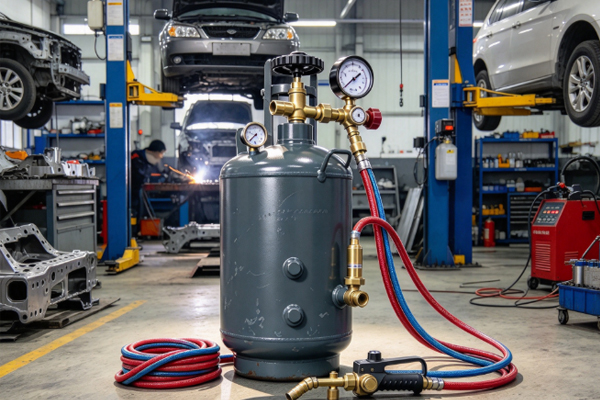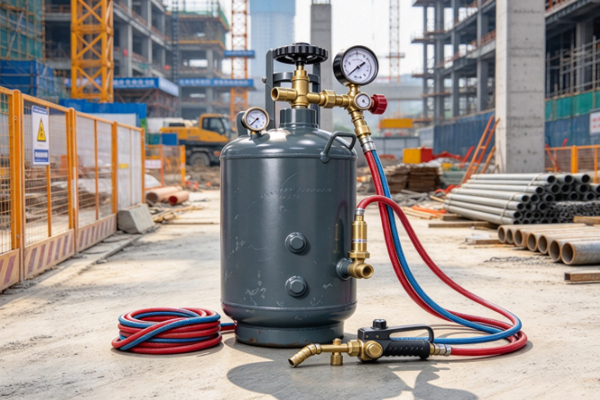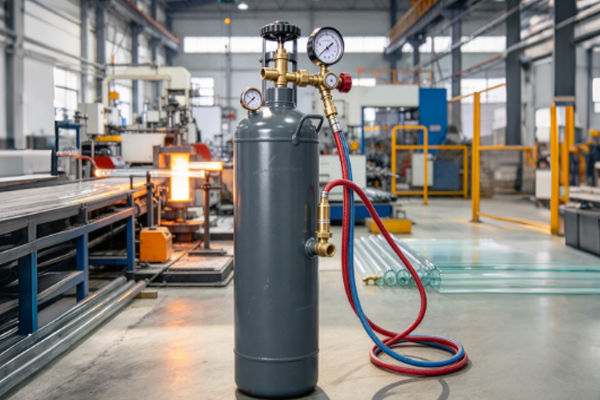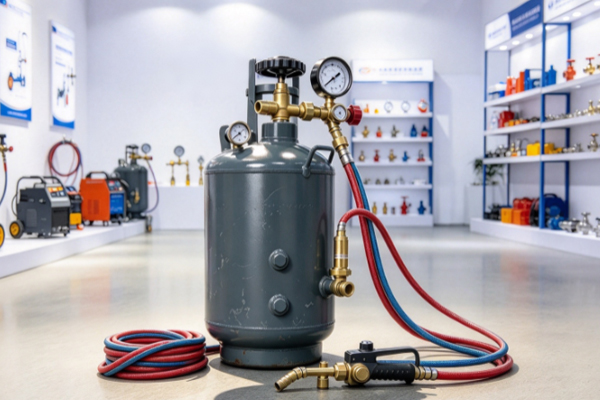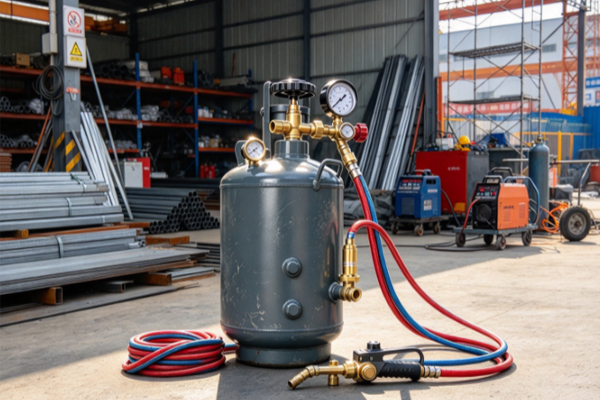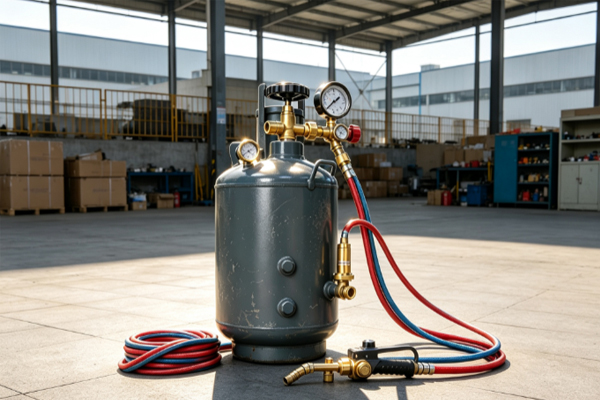
When using an acetylene storage tank, gas leakage is one of the issues operators pay close attention to. Some leaks are not immediately obvious. They may start with a slight odor around a valve or develop slowly because of a deteriorating seal. The problem is that acetylene is highly flammable, so leak checks cannot be treated like ordinary equipment inspections. Never use a match, lighter, or other open flame to test for leaks. During routine acetylene storage tank use, pay attention to odor, pressure, valves, and connection points. If anything seems abnormal, stop the related operation and have the issue handled by qualified personnel.
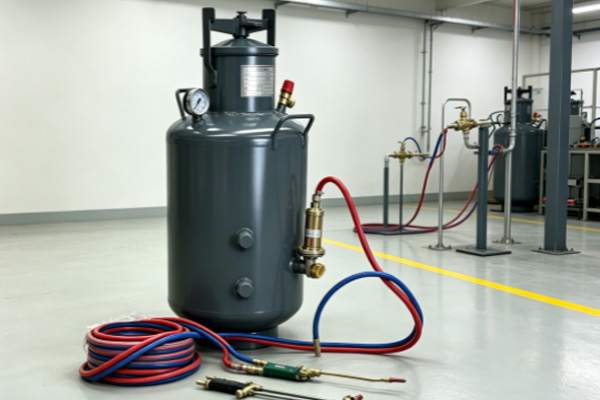
Where Do Acetylene Storage Tank Leaks Usually Start?
Leaks can develop at several connection points, especially where valves, hoses, regulators, and piping are frequently connected or operated. A quick visual and operational check can help identify problems before they become more serious.
- Valves: Valves are opened and closed repeatedly, and their sealing components may deteriorate or become abnormal over time.
- Hose connections: Check whether connections are secure and look for aging, cracks, damage, or obvious looseness.
- Pipe joints: Flanges, threaded connections, and other joints may leak if their sealing condition is poor.
- Regulator connections: After installing a pressure regulator, pay attention to unusual odors or other signs of leakage around the connection.
- Safety accessories: If a safety valve, pressure gauge, or other safety component appears abnormal, do not dismantle or repair it yourself while the system is pressurized.
If the tank has been hit, dropped, or exposed to excessive force on its piping, the relevant connection points should receive extra attention. A small sealing problem at a connector can affect the overall reliability of the gas supply system.
How Can You Check for a Leak When There Is No Obvious Odor?
Odor alone is not always a reliable way to identify a leak. Ventilation, the amount of gas escaping, and individual sensitivity can all affect whether an abnormal smell is noticed. Under safe conditions, trained personnel may use a suitable commercial leak-detection product or an appropriate soap solution in accordance with the equipment manufacturer’s instructions and site procedures.
- Check for unusual odor after the valve is closed. A continuing abnormal smell may indicate that further inspection is needed.
- Watch for unexpected pressure changes. Pressure behavior that does not match normal operating conditions should not be ignored.
- Inspect hoses, joints, and piping. Look for visible damage, loose connections, or other abnormal conditions.
- Use an appropriate leak-detection solution when permitted. Persistent bubbles around a connection may indicate a leak.
Never use a flame to locate an acetylene leak. Routine inspection is meant to identify problems early, not to encourage untrained operators to repair tanks, valves, or safety components on their own.
What Should You Do If an Acetylene Storage Tank Is Leaking?
Once a leak is suspected or confirmed, rushing to repair the equipment is not a safe approach. Stop gas-consuming work and follow the site’s emergency procedures. Qualified or authorized personnel should handle safe isolation where this can be done without creating additional risk. If the leak cannot be safely controlled, keep people away from the area and contact professional emergency or maintenance personnel.
- Stop welding, cutting, and other operations that may create sparks.
- Keep away from open flames, cigarettes, and other ignition sources.
- Do not dismantle valves, safety accessories, or other pressurized components.
If the leaking sound is obvious, the odor is becoming stronger quickly, or the leak location cannot be identified safely, do not continue approaching the tank. Proper emergency measures should be taken for leaks that cannot be controlled through normal valve closure.
It is also useful to record abnormal odors, pressure changes, valve conditions, and maintenance history. These records can help qualified personnel identify the cause and decide what inspection or maintenance is required.
When Should an Acetylene Storage Tank No Longer Be Used?
An abnormal connection does not automatically mean that the entire acetylene storage tank must be replaced. However, problems involving the tank body, valves, safety accessories, or repeated leakage require the equipment to be taken out of normal operation until it has been professionally inspected. Particular attention should be paid to corrosion, impact damage, abnormal safety components, and leaks that continue after maintenance. Continuing to use equipment with unresolved defects can create unnecessary safety risks.
For safe acetylene storage tank use, it is better to identify a small problem early than wait until a strong odor or obvious leak appears. Regular checks of valves, connections, piping, pressure conditions, and equipment records can make daily operation more manageable while reducing unexpected downtime. For long-term use or new purchases, leak detection, maintenance, inspection, and service records should all be treated as part of proper equipment management.