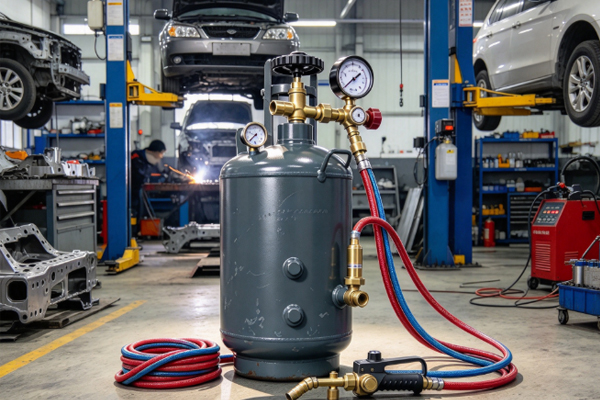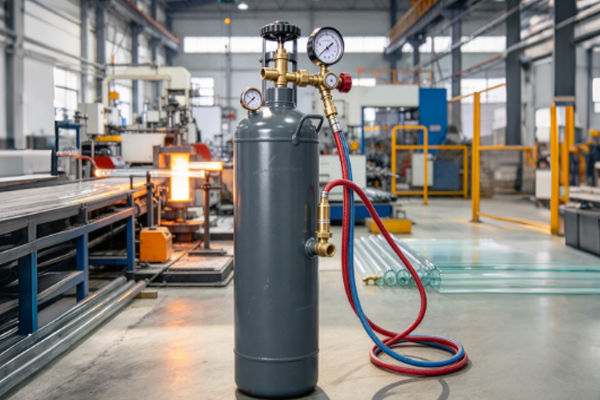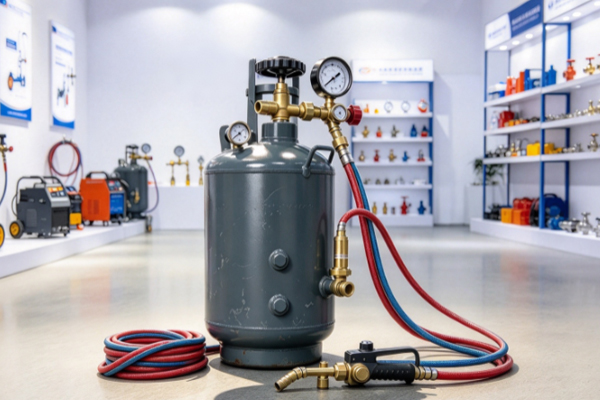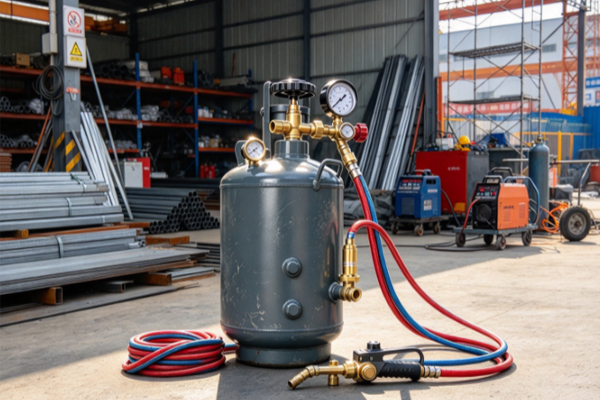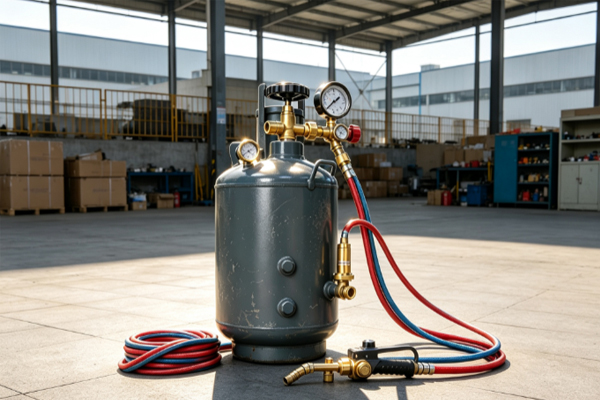
Acetylene cylinders require stable working pressure to ensure consistent flame performance during welding, flame cutting, metal heating, and mechanical fabrication. When the pressure becomes too low, issues such as weak flames, unstable combustion, reduced welding quality, and lower cutting efficiency may occur. If the cause is not identified and corrected in time, it can also affect the entire gas supply system. Understanding how to diagnose and handle low acetylene pressure helps improve efficiency and extend equipment service life.
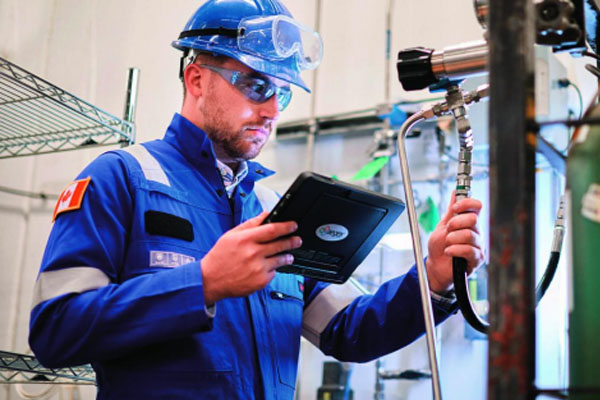
Why Acetylene Cylinder Pressure Drops
A drop in acetylene cylinder pressure is a common situation during operation, but different causes require different solutions. As gas is consumed, the pressure naturally decreases. Low ambient temperatures can also slow gas release, resulting in lower readings on the pressure gauge. In addition, incorrect regulator adjustment, faulty pressure gauges, insufficient valve opening, blocked hoses, or leaks at connection points may also cause insufficient pressure. Before taking action, it is important to determine whether the pressure drop is normal consumption or equipment-related failure.
Importance of Maintaining Proper Pressure
Stable acetylene pressure ensures a consistent welding flame, improving weld quality and producing smoother cutting edges. When pressure remains within the correct range, the regulator, hoses, and torch components operate more reliably, reducing flame backfire and irregular combustion. For industrial production environments, stable gas supply reduces downtime for inspections and improves overall efficiency. It also helps minimize acetylene waste and ensures smoother processing operations across welding and cutting tasks.
How to Fix Low Acetylene Cylinder Pressure
When low pressure is detected, do not continue working immediately. Follow a structured inspection process to quickly identify the root cause and reduce the risk of equipment damage.
Follow these steps during inspection:
- Check remaining gas level:Read the pressure gauge to determine whether the cylinder is near depletion. If gas is nearly empty, replace the cylinder.
- Verify valve opening status:Ensure the acetylene cylinder valve is fully opened according to operating requirements. Partial opening may restrict gas flow.
- Inspect regulator performance:Check whether the adjustment knob functions properly and whether the pressure gauge remains stable during operation. Replace the regulator if abnormalities occur.
- Check for gas leaks:Apply soapy water to valves, regulator joints, and hose connections. If bubbles appear continuously, shut off the valve immediately and repair the leak.
- Inspect hoses for blockage or bending:Long-term use may cause hoses to harden, flatten, or become blocked, restricting gas flow. Replace or reposition if necessary.
After completing these checks, test the system again to confirm that normal pressure has been restored before resuming welding or cutting operations.
Working Conditions That Commonly Cause Low Pressure
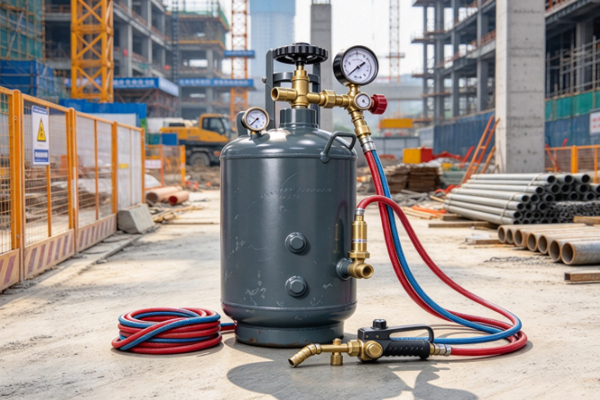
In cold-weather environments, acetylene release becomes slower, making pressure drops more noticeable. During long continuous welding or cutting operations, high gas consumption can also lead to insufficient pressure. Large-scale steel fabrication, shipbuilding, and pipeline installation projects require continuous gas supply, making pressure stability especially important. Poor maintenance of regulators and gauges may also lead to inaccurate pressure readings or reduced gas output. Proper maintenance planning based on working conditions helps reduce pressure-related issues and improves operational continuity.
Daily Maintenance to Prevent Low Pressure
Proper maintenance reduces the likelihood of pressure issues and ensures stable gas supply performance. Regular inspection habits also improve safety and equipment reliability.
Key maintenance practices include:
- Regular pressure gauge checks:Ensure gauges provide accurate readings and replace damaged units promptly.
- Maintain regulator performance:Keep adjustment mechanisms clean and prevent dust or debris from entering internal components.
- Inspect hose connections:Check for looseness, aging, cracks, or bending that may restrict gas flow.
- Store cylinders properly:Keep cylinders upright in a well-ventilated, shaded area away from heat sources.
- Establish a maintenance schedule:Perform periodic inspections of cylinders, regulators, torches, and accessories to detect wear early.
With proper maintenance, acetylene cylinders can maintain stable pressure output, ensuring safer, more efficient welding, cutting, and metal processing operations.