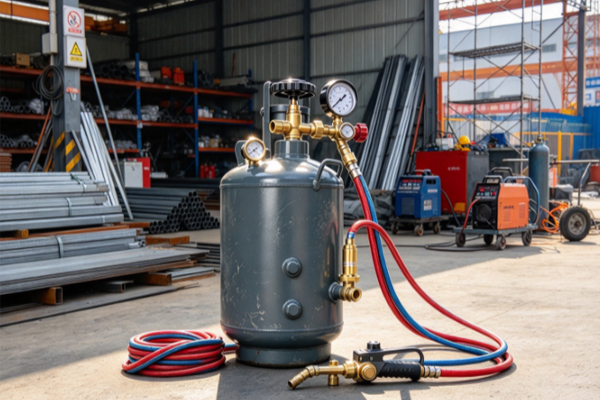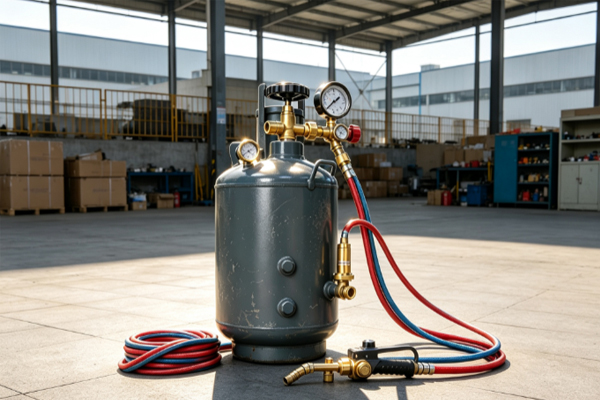
An acetylene cylinder pressure regulator is a critical component that connects the gas cylinder to welding and cutting equipment. Its primary function is to reduce the high pressure inside the cylinder to a stable working pressure suitable for safe operation. Proper installation of the pressure regulator not only ensures a consistent gas supply but also directly affects welding quality and workplace safety. Incorrect installation may lead to gas leaks, unstable pressure, irregular flame performance, or even equipment damage. Learning the correct installation procedure helps improve operating efficiency while reducing potential safety risks during daily use.
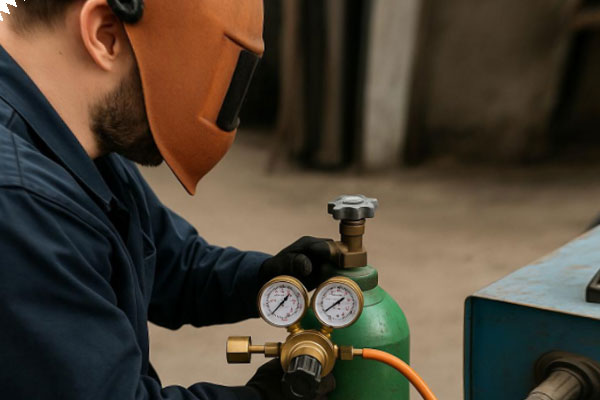
Working Principle of an Acetylene Cylinder Pressure Regulator
The pressure inside an acetylene cylinder is much higher than the pressure required by welding or cutting equipment. The pressure regulator uses an internal spring, diaphragm, and valve mechanism to gradually reduce the cylinder pressure to a controlled working pressure before delivering the gas downstream. As gas demand changes during operation, the regulator automatically adjusts the valve opening to maintain a steady outlet pressure. To ensure accurate pressure control, the regulator must be installed in the correct orientation with secure, leak-free connections. Dirt, debris, or damaged fittings can interfere with pressure regulation and reduce overall system performance.
Benefits of Proper Pressure Regulator Installation
Correct installation of an acetylene pressure regulator ensures a smooth and consistent gas supply, resulting in a stable welding flame and reduced risk of flashback or flame fluctuation. In industrial applications, stable gas pressure contributes to better weld quality while reducing unnecessary gas consumption. Proper installation also minimizes wear on threaded connections, pressure gauges, and sealing components, extending the service life of the regulator and associated equipment. For operations involving continuous welding or cutting, a properly installed pressure regulator supports reliable equipment performance and improves overall productivity.
Correct Installation Steps for an Acetylene Cylinder Pressure Regulator
Following a standardized installation procedure helps maintain a leak-free gas system and reduces the likelihood of pressure instability during operation. Before installation, make sure the acetylene cylinder valve is completely closed and that there are no ignition sources nearby.
Use the following steps to install the pressure regulator correctly:
- Inspect the pressure regulator:Check that the pressure gauges are intact, the adjustment knob moves smoothly, and there are no visible cracks, deformation, or damage.
- Clean the connection surfaces:Remove dust, dirt, or debris from both the cylinder valve and regulator connection to prevent contamination inside the regulator.
- Attach the pressure regulator:Align the regulator with the cylinder valve and tighten it carefully, ensuring the threads engage properly without excessive force or cross-threading.
- Open the cylinder valve slowly:Gradually open the acetylene cylinder valve to allow pressure to enter the regulator smoothly and safely.
- Adjust the working pressure:Turn the adjustment knob until the required outlet pressure is reached, while monitoring the pressure gauges for stable readings.
After installation is complete, perform a final leak inspection before connecting the welding torch or cutting equipment.
Common Applications of Acetylene Pressure Regulators
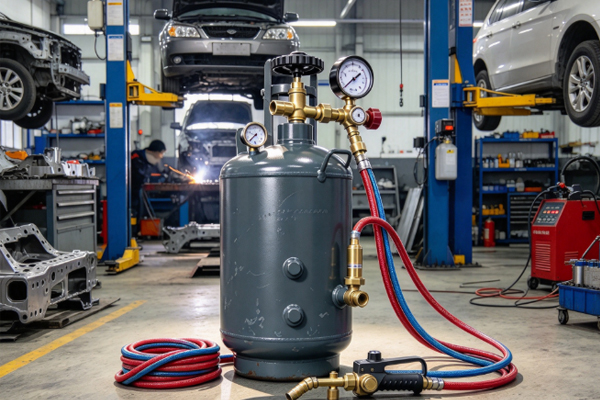
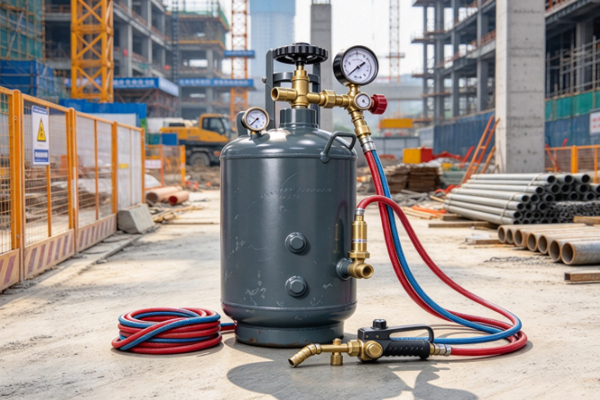
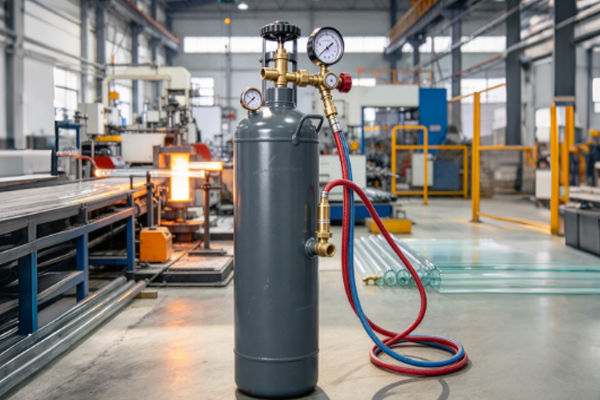
Acetylene pressure regulators are widely used in oxy-acetylene welding, flame cutting, metal heating, brazing, machinery maintenance, structural steel fabrication, and pipeline installation. In automotive repair shops, they help maintain a consistent flame for precision welding. Steel fabrication facilities rely on pressure regulators to provide stable gas flow during continuous production. Shipbuilding, pressure vessel manufacturing, and industrial maintenance operations also depend on accurate pressure regulation for reliable performance. Portable gas systems used for field maintenance and outdoor construction benefit from regulators that provide dependable gas delivery under varying operating conditions.
Inspection and Safety Checks After Installation
Installing the pressure regulator is only the first step. A complete inspection before operation helps confirm that the gas supply system is functioning safely and efficiently. Regular inspections also reduce equipment failures and improve long-term reliability.
Before beginning welding or cutting operations, complete the following safety checks:
- Check for gas leaks:Apply a soap solution to all threaded connections. If bubbles appear, close the cylinder valve immediately and reinstall the regulator.
- Monitor the pressure gauges:Confirm that both the high-pressure and low-pressure gauges respond normally without sudden fluctuations.
- Verify smooth pressure adjustment:Rotate the adjustment knob to ensure the outlet pressure changes steadily and accurately.
- Inspect hose connections:Make sure the gas hose is firmly attached and free from cracks, aging, or loose fittings.
- Maintain the regulator regularly:Clean dust from the regulator and inspect seals periodically, replacing worn components whenever necessary.
After completing these inspections, the pressure regulator can provide a stable and safe gas supply, supporting reliable welding, cutting, heating, and other industrial applications.