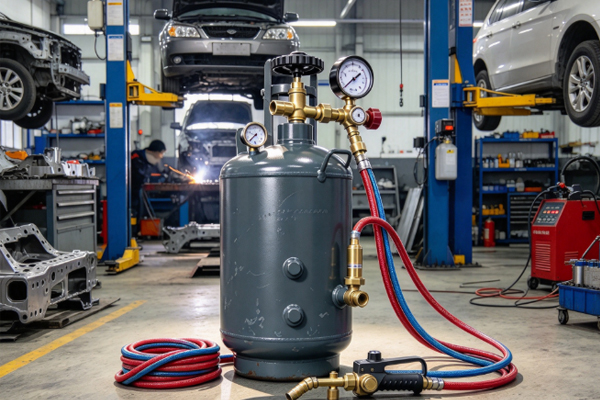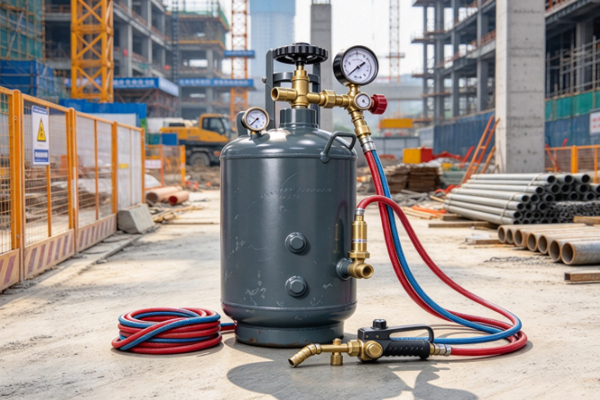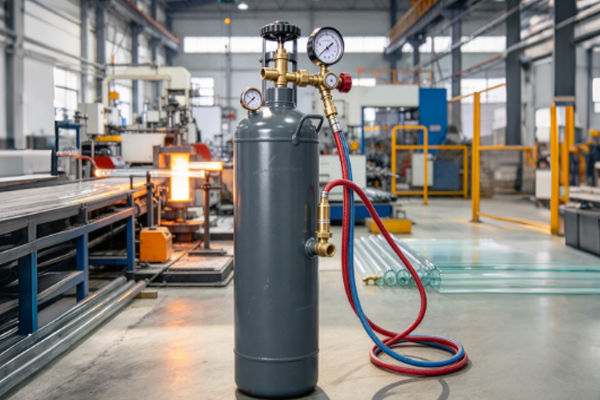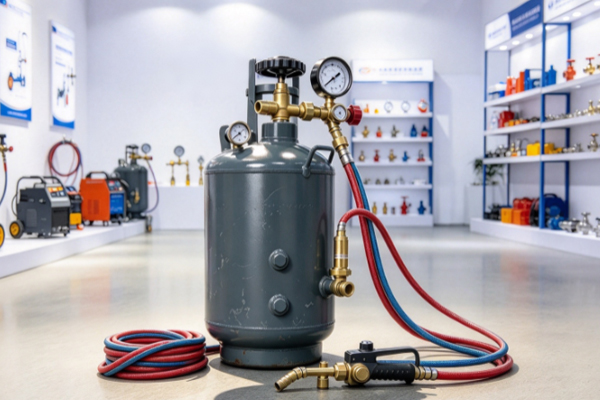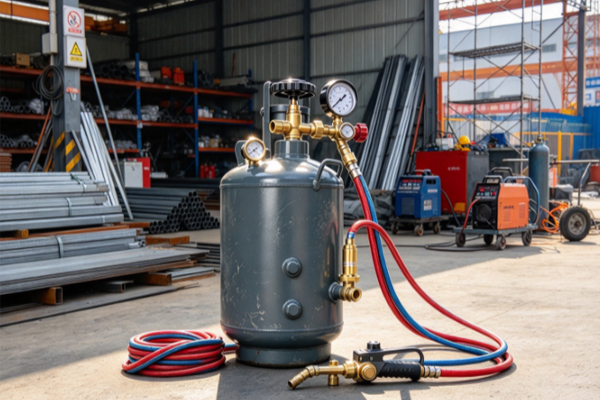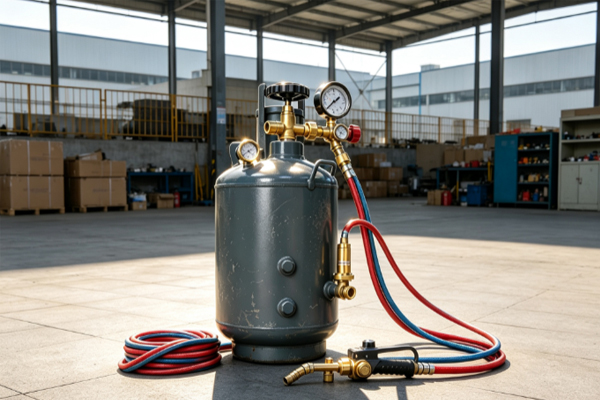
In welding, cutting, and metal processing industries, acetylene storage tanks are essential equipment for maintaining continuous production. When selecting an acetylene storage tank, many companies make the common mistake of assuming that a larger capacity always provides better performance. In reality, acetylene storage tank size should be scientifically matched according to actual gas consumption. A tank that is too small may require frequent gas replacement and interrupt production, while an oversized tank can increase equipment investment, installation space requirements, and maintenance costs. By accurately calculating daily and hourly acetylene consumption and considering production schedules, equipment quantity, and future expansion plans, companies can select the most suitable tank specification.
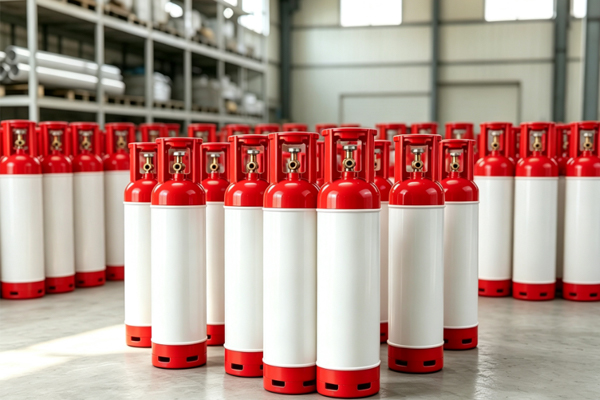
Understand Actual Gas Consumption Before Selecting Acetylene Storage Tank Size
The first step in selecting an acetylene storage tank size is to understand the company’s actual gas demand. Different production processes, equipment quantities, and working hours directly affect acetylene consumption. Selecting a tank based only on experience may result in insufficient capacity or unnecessary investment.
During the calculation process, companies should consider the following factors:
- Daily acetylene consumption: Record the actual amount of acetylene used by welding and cutting equipment each day as an important reference for capacity selection
- Number of simultaneously operating equipment: Multiple welding torches or cutting machines working at the same time require higher gas supply capacity
- Continuous working hours: Longer production periods require larger acetylene storage tank capacity
By collecting these basic operating data, companies can more accurately determine the required acetylene storage tank size and provide a reliable basis for equipment selection.
Calculate Acetylene Storage Tank Capacity Based on Hourly Gas Consumption
Acetylene storage tank size should not be determined only by daily total consumption. Short-term peak demand must also be considered. In welding workshops and industrial production lines, gas consumption during peak operation periods may be significantly higher than average usage.
The general calculation approach includes:
- Calculating hourly acetylene consumption based on the number of operating equipment units
- Determining required storage capacity according to continuous gas supply time
- Adding an appropriate safety reserve to handle production fluctuations
A commonly used calculation method is:
Required acetylene storage tank capacity = Gas consumption per unit time × Continuous usage time × Reserve factor
For example, if a workshop requires a certain amount of acetylene per hour and needs several hours of continuous operation, the company can calculate the required capacity and select an acetylene storage tank specification close to the result.
Acetylene Storage Tank Size Ranges for Different Gas Consumption Levels
Different production scales require different acetylene storage tank sizes. Proper capacity matching ensures stable gas supply while avoiding unnecessary equipment investment.
Common application ranges include:
- Low gas consumption applications (around 40L–100L): Suitable for small repairs, mobile welding, and small processing workshops where flexibility is important
- Medium gas consumption applications (around 100L–300L): Suitable for standard welding workshops and mechanical processing companies requiring multiple workstations
- High gas consumption applications (500L+ systems): Mainly used in large manufacturing facilities and steel structure factories requiring continuous and stable gas supply
There is no absolute advantage between different acetylene storage tank sizes. The key factor is whether the selected capacity matches actual consumption requirements.
Other Factors Affecting Acetylene Storage Tank Size Selection
Although gas consumption is one of the most important factors when selecting an acetylene storage tank size, companies also need to consider working environments and long-term operating requirements. Choosing a tank only based on consumption data may not fully meet practical production needs.
Important factors include:
- Production continuity: Long-term continuous operation requires additional storage capacity to prevent gas supply interruptions
- Installation space: Limited factory space may require more compact tank specifications
- Transportation conditions: Mobile applications should consider tank weight and handling convenience
- Future expansion requirements: Increased production capacity may lead to higher gas demand in the future
Considering these factors together allows the acetylene storage tank to provide better performance throughout its service life.
How Companies Can Select the Right Acetylene Storage Tank Size?
During the purchasing process, companies should avoid focusing only on price or maximum capacity. Instead, they should develop a selection plan based on their actual production conditions. The correct acetylene storage tank size affects not only current performance but also future operating costs and equipment management efficiency.
Recommended selection methods include:
- Determine basic capacity based on actual gas consumption instead of choosing oversized equipment unnecessarily
- Add appropriate reserve capacity according to peak production demand to maintain stable supply
- Adjust tank specifications according to equipment quantity and operating hours
- Select suitable tank dimensions based on installation conditions for easier maintenance
- Consider future production expansion to avoid repeated equipment purchases
Through scientific analysis of gas demand, companies can choose a safer, more economical, and more efficient acetylene storage tank solution.
Acetylene storage tank size should be determined based on actual gas consumption, production methods, equipment quantity, and future development requirements. The right storage capacity reduces gas replacement frequency, improves production continuity, and lowers long-term operating costs. Zhongcheng Gas Cylinde provides acetylene storage tank solutions in various specifications to help industrial users achieve stable, safe, and efficient gas supply.