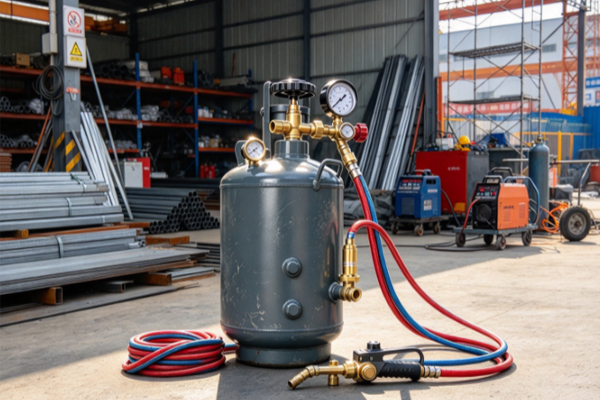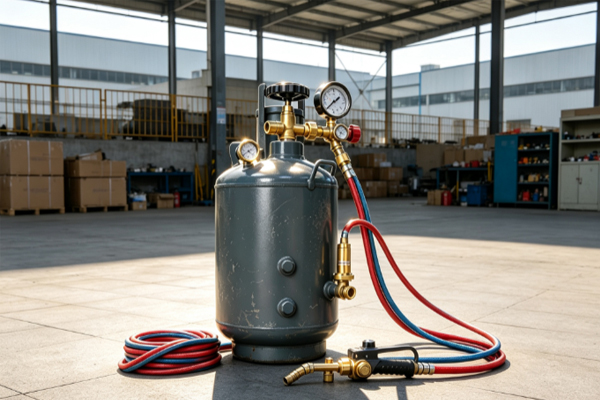
Acetylene cylinders are widely used in welding, flame cutting, structural steel fabrication, machinery manufacturing, automotive repair, construction, and other industrial applications. Since acetylene is a highly flammable gas, strict safety procedures must be followed during storage, transportation, and operation. Improper handling, insufficient equipment maintenance, or unsuitable working environments may lead to gas leakage, flashback, fire hazards, or equipment damage. Establishing standardized operating procedures and carrying out regular inspections and maintenance help improve workplace safety while ensuring the gas supply system remains reliable throughout daily operations.
Potential Risks During Acetylene Cylinder Operation
Acetylene cylinders use dissolved acetylene storage technology, with porous filler material and acetone inside the cylinder to stabilize the gas safely. When the cylinder is connected correctly, the gas pressure is properly adjusted, and the working environment meets safety requirements, the gas supply system operates reliably. However, damage to cylinder valves, pressure regulators, hoses, or fittings may reduce sealing performance and increase the possibility of gas leakage.
External conditions also influence operational safety. High temperatures, open flames, welding sparks, and mechanical impacts may negatively affect the cylinder and its accessories. If routine inspections are neglected, aging components, abnormal pressure conditions, and unstable gas flow may gradually develop. Understanding these potential risks is an important part of maintaining safe cylinder operation.
The Importance of Proper Risk Management
Effective management significantly reduces equipment failures while improving the stability of the acetylene gas supply system. During welding and cutting operations, maintaining consistent gas pressure helps produce stable flames, improve processing quality, and reduce unnecessary downtime.
Well-organized maintenance procedures also improve equipment utilization. Routine inspections, maintenance records, scheduled accessory replacement, and regular workplace checks help identify potential problems before they develop into serious equipment failures. For companies that use acetylene cylinders regularly, standardized management improves productivity while lowering long-term maintenance costs.
Common Risks Associated with Acetylene Cylinder Use
Operational risks generally result from equipment condition, operating practices, and workplace environment. Proper operating procedures and regular inspections greatly reduce these risks while improving overall equipment reliability.
The following conditions deserve special attention:
- Gas leakage:Damaged cylinder valves, pressure regulators, hoses, or fittings may cause acetylene leaks and should be inspected and repaired immediately.
- Flashback:Blocked torch nozzles, incorrect pressure settings, or overheated welding torches may allow flames to travel backward through the gas supply system. Installing flashback arrestors and maintaining proper pressure settings help minimize this risk.
- High-temperature exposure:Prolonged exposure to direct sunlight or excessive heat may increase internal cylinder pressure. Cylinders should be stored away from heat sources and protected from overheating.
- Mechanical impact:Improper handling during transportation or workplace movement may damage the cylinder body or accessories. Appropriate handling equipment and secure fastening methods should always be used.
- Operating errors:Incorrect valve operation, improper equipment connections, or failure to follow recommended procedures may affect the stability and safety of the gas supply system.
Following standardized operating procedures and maintaining equipment properly significantly reduces these operational risks while improving workplace safety.
Risk Priorities in Different Working Environments
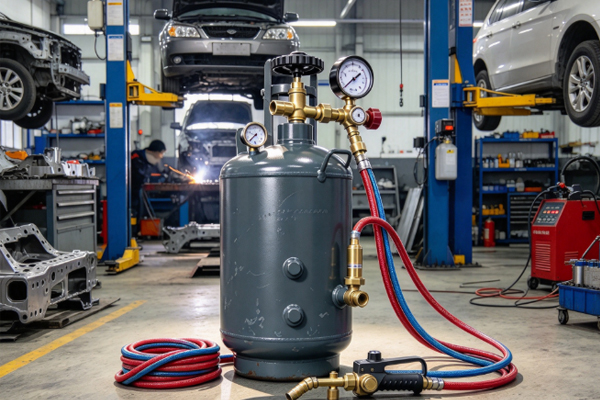
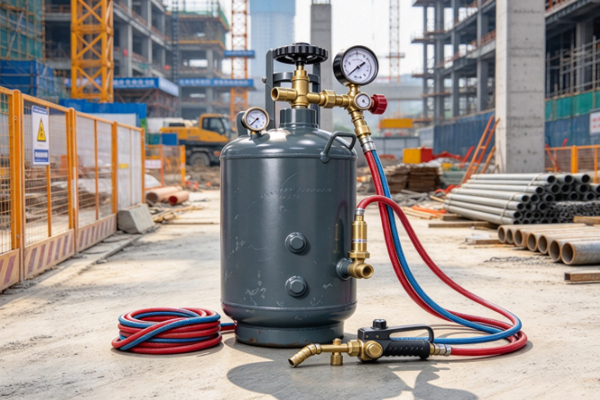
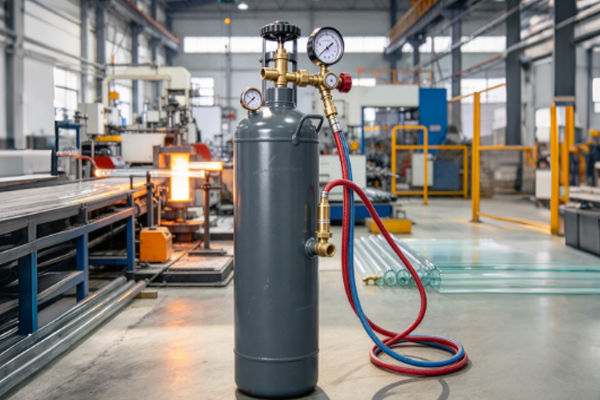
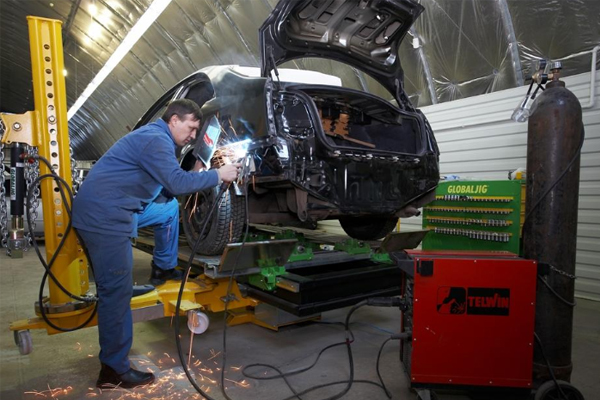
The risks associated with acetylene cylinder use vary depending on the industry and working environment. Automotive repair workshops often operate in relatively confined spaces, making adequate ventilation and effective ignition source control especially important. Structural steel fabrication facilities typically perform long periods of continuous welding, requiring close monitoring of torch temperature, pressure regulators, and gas supply systems to reduce the possibility of flashback and overheating. Construction sites present additional challenges because cylinders are frequently transported and exposed to changing weather conditions, making protection against impacts, direct sunlight, and tipping particularly important. Shipbuilding, heavy machinery manufacturing, and metal fabrication facilities generally operate cylinders continuously and should establish comprehensive inspection programs covering cylinder bodies, valves, hoses, and flashback arrestors to maintain stable and safe operation.
How to Reduce the Risks of Using Acetylene Cylinders
Reducing operational risks depends not only on equipment quality but also on consistent daily management. Standardized maintenance procedures improve equipment reliability while minimizing unexpected operating problems.
The following practices are recommended:
- Perform routine equipment inspections:Regularly inspect the cylinder body, valve, pressure regulator, hoses, and fittings to identify potential problems early.
- Maintain proper storage conditions:Store cylinders upright in well-ventilated areas away from open flames, excessive heat, and ignition sources.
- Follow safe transportation procedures:Use appropriate transportation equipment and avoid dropping, rolling, or exposing cylinders to severe impacts.
- Replace aging accessories promptly:Inspect hoses, seals, flashback arrestors, and other accessories regularly, replacing worn components when necessary.
- Provide operator training:Ensure personnel understand proper operating procedures, emergency response measures, and routine inspection requirements before using acetylene equipment.
By combining standardized operation, routine maintenance, and effective equipment management, acetylene cylinders can continue providing a safe, stable, and reliable gas supply for welding, cutting, and industrial manufacturing applications.