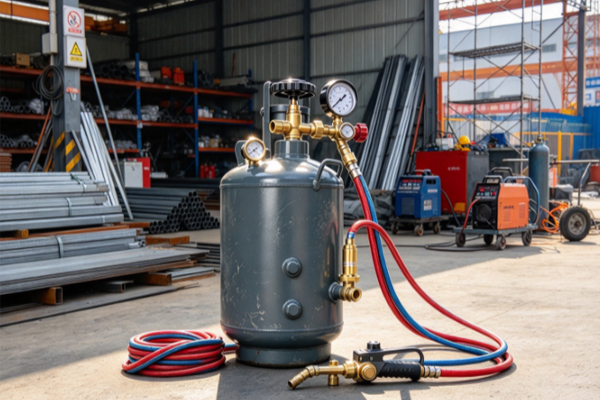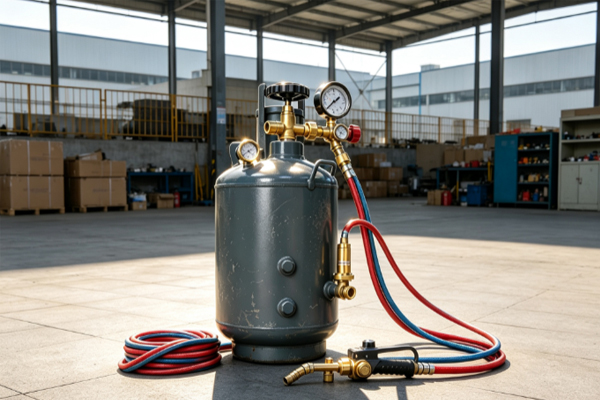
The acetylene cylinder pressure regulator is an important component in the gas supply system. Its main function is to reduce and adjust the pressure inside the cylinder, allowing acetylene gas to enter welding torches or cutting equipment at a stable pressure. Correct installation of the pressure regulator ensures stable gas output, reduces equipment problems, minimizes gas waste, and improves connection reliability. Since acetylene is a flammable gas, the installation process requires careful inspection of equipment conditions, connection methods, and sealing performance to prevent improper installation from affecting later operation. In welding, cutting, and industrial processing applications, understanding the correct installation method helps improve equipment safety and extend the service life of the regulator and related accessories.
Preparations Before Installing an Acetylene Cylinder Pressure Regulator
Before installing an acetylene cylinder pressure regulator, the cylinder and regulator should be carefully inspected to confirm that all equipment is in proper condition. The external surface of the regulator should remain intact without cracks, deformation, damage, or abnormal pressure gauge conditions. The inlet, outlet, and threaded connection areas should be clean and free from dust, oil, or other contaminants that may affect sealing performance.
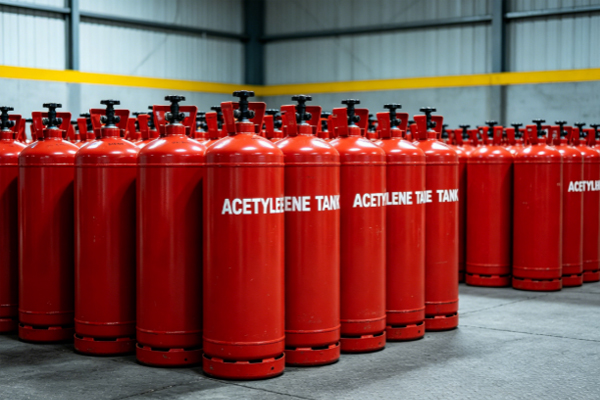
The acetylene cylinder should also be inspected before installation. Confirm that the cylinder valve is functioning properly, the connection area is not damaged, and the cylinder is placed securely in an upright position. The installation area should have sufficient ventilation and remain away from open flames, high-temperature equipment, and possible ignition sources. Operators should prepare suitable tools and ensure that necessary protective equipment is available before starting the installation process.
Proper preparation directly affects the later performance of the pressure regulator. Careful inspection before installation helps reduce problems such as loose connections, gas leakage, or abnormal pressure conditions, creating a more stable gas supply system.
Correct Installation Steps for an Acetylene Cylinder Pressure Regulator
When installing an acetylene cylinder pressure regulator, the process should follow proper operating procedures. Before installation, confirm that the cylinder valve is closed and check that the regulator installation direction is correct to ensure proper gas flow. When connecting the regulator, keep the connection area clean and ensure that the threads are properly aligned and securely tightened according to requirements.
After installation, check the connection between the regulator and cylinder valve to confirm that there are no loose parts. When opening the cylinder valve, do not open it quickly. The valve should be opened slowly to allow gas to enter the regulator gradually and build pressure smoothly. Observe the pressure gauge to confirm that the indicator operates normally without abnormal fluctuations.
Before connecting welding torches or cutting equipment, check that the outlet connection is secure and confirm that the entire gas supply system has no leakage. If pressure adjustment problems, gas leakage, or abnormal pressure changes occur, stop operation immediately and inspect the regulator installation condition.
Correct installation of the pressure regulator helps maintain stable acetylene gas output, improves welding and cutting efficiency, and reduces the possibility of equipment damage.
Important Details When Installing an Acetylene Cylinder Pressure Regulator
Installation details have a significant influence on the long-term performance of the pressure regulator. Proper installation practices improve equipment reliability and reduce future maintenance requirements.
Important installation points include:
- Confirm regulator compatibility:Select a pressure regulator suitable for acetylene cylinder requirements and ensure that the pressure range and connection specifications match the equipment.
- Keep connection areas clean:Clean connection points before installation to prevent contaminants from entering the regulator and affecting adjustment performance.
- Check sealing conditions:After installation, confirm that connections are secure and check that no gas leakage occurs.
- Open the cylinder valve slowly for pressure testing:Operate the valve gradually and observe pressure gauge changes to prevent sudden pressure increases.
- Avoid using incorrect installation tools:Do not use unsuitable tools to force connections, as this may damage threads or equipment structures.
Following these installation details improves acetylene cylinder pressure regulator stability and helps maintain a reliable gas supply system. Regular performance checks should also be carried out during daily operation to identify possible problems early.
Differences in Pressure Regulator Installation Under Different Working Conditions
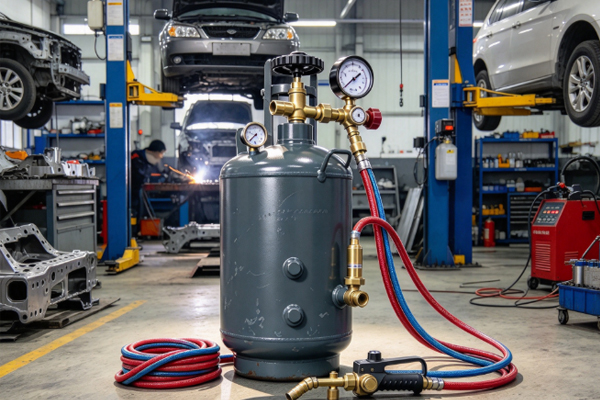
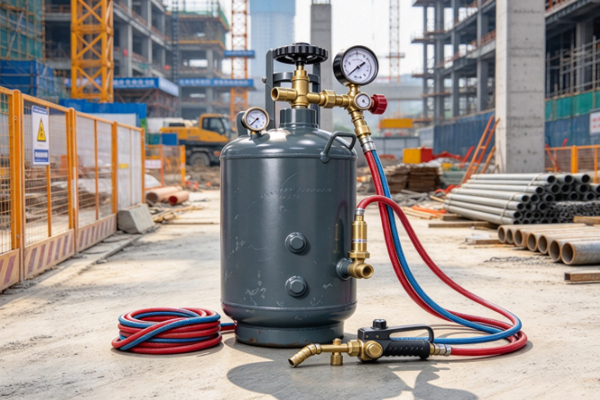
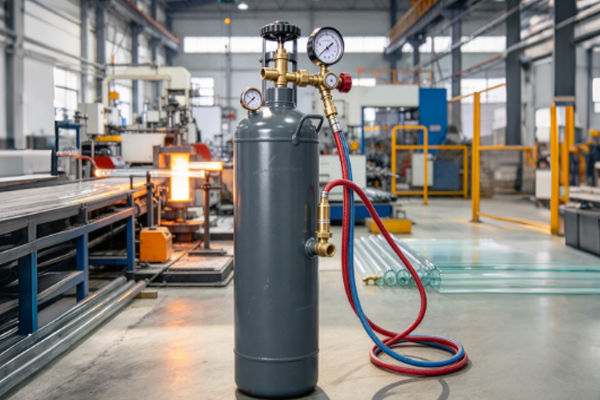
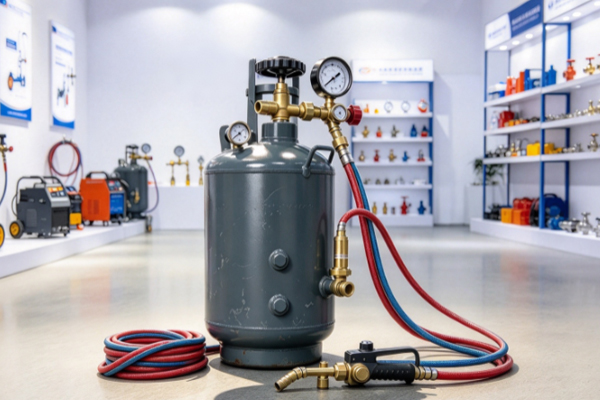
Different working environments may have different requirements for acetylene cylinder pressure regulator installation. In automotive repair facilities, acetylene equipment is frequently moved and used, so installation should focus on connection stability to prevent loosening during transportation. Steel fabrication companies usually perform continuous welding and cutting operations, requiring installed regulators to maintain stable pressure for long-term gas supply. Construction sites often have changing conditions, so operators need to confirm cylinder securing methods and provide protection against dust and physical impact during installation. Machinery manufacturing plants generally operate in fixed work areas with more standardized equipment management procedures, including regular inspections of regulator connections and adjustment performance. Although application environments vary, correct installation methods, reliable sealing performance, and regular inspection procedures are essential for stable equipment operation.
How to Maintain the Performance of an Installed Acetylene Cylinder Pressure Regulator
After installation, continuous maintenance helps maintain stable regulator performance and reduce operational problems. Good maintenance practices extend accessory service life and improve the reliability of the acetylene gas supply system.
Recommended maintenance measures include:
- Regularly inspect pressure gauge condition:Check whether pressure readings remain normal and inspect the equipment if abnormal pointer movement occurs.
- Check connection sealing performance:Regularly confirm that connection points remain secure and prevent leakage caused by long-term use.
- Keep the regulator clean:Remove dust and contaminants from the regulator surface to prevent external factors from affecting operation.
- Prevent physical impact damage:Protect the regulator during use and transportation to avoid structural damage caused by external force.
- Maintain equipment records:Record installation dates, inspection results, and maintenance activities for easier future management.
Through proper installation, regular maintenance, and routine inspections, the safety and performance of acetylene cylinder pressure regulators can be improved. Stable gas output can be maintained to provide reliable support for welding, cutting, and industrial production operations.