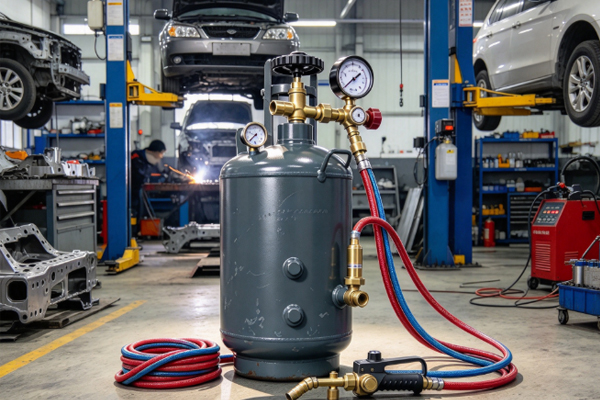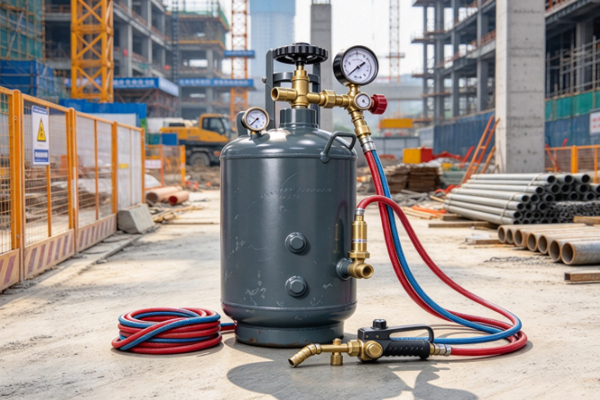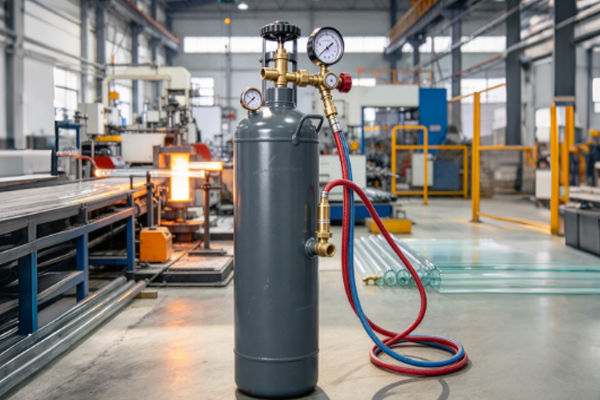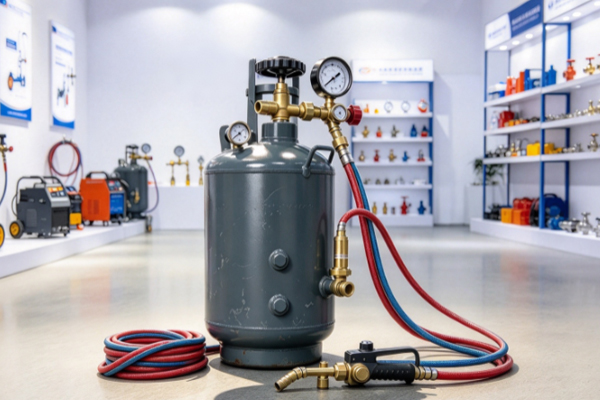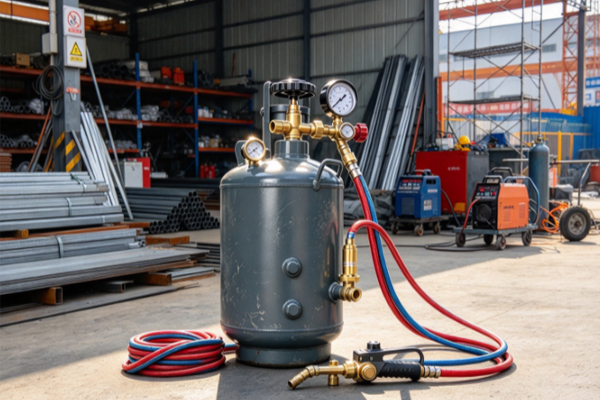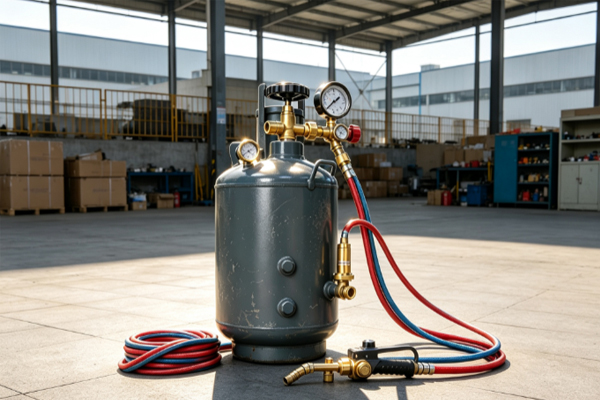
Acetylene cylinders are widely used in metal processing, welding construction, and equipment maintenance. Many factories, construction teams, and repair workshops rely on them for long-term operations. Over time, what concerns users most is no longer the price of a single cylinder, but whether monthly or annual costs will keep increasing. In reality, the cost of acetylene is not only the price of gas itself, but also includes transportation, waste, equipment wear, and operational habits—hidden expenses that are often overlooked. To reduce long-term usage costs, it is necessary to work on daily management, procurement methods, and equipment maintenance together, so that each cylinder of acetylene is used more efficiently and economically.
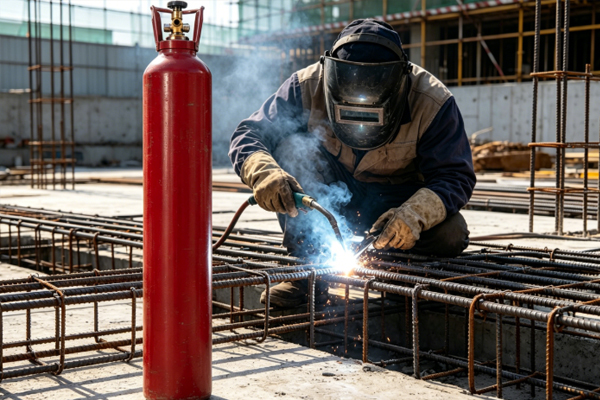
How to Reduce the Long-Term Usage Cost of Acetylene Cylinders?
During use, if acetylene leaks, is released unnecessarily, or is operated improperly, costs will gradually increase. In many cases, on-site workers believe that small leaks have little impact, but acetylene is a continuously consumed gas, and over time, waste becomes significant. For example, if the valve is not properly closed after welding, or if hose connections become loose or aged, gas will slowly leak out. Another situation is when equipment is running but not actually in use, causing unnecessary consumption.To reduce long-term costs, the most direct method is to properly manage each use: turn off after use, inspect regularly, and fix problems promptly. Connection sealing should be checked frequently, and hoses or valves showing signs of aging should be replaced as soon as possible. This helps reduce ineffective consumption and ensures each cylinder lasts longer and is used more economically.
Standardized Management Methods to Reduce Costs
● Unified Cylinder Management System
Without unified management, cylinders can easily be mixed up, lost, or repeatedly dispatched. Establishing fixed numbering and usage records allows clear tracking of each cylinder’s usage cycle and circulation. Centralized storage and classified management can also reduce damage risks during handling, thereby avoiding additional repair or replacement costs.
● Control Inventory and Gas Usage Rhythm
Excess inventory may occupy storage space, while insufficient inventory may lead to urgent procurement. Properly balancing usage and procurement ensures stability, reduces emergency delivery costs, and avoids production downtime caused by gas shortages.
III. Optimize Usage Habits to Reduce Consumption
● Reduce Idle Operation and Long Standby Time
Many devices still release a small amount of gas when not in use. Although this is not easily noticed, it gradually increases consumption. Developing the habit of turning off gas when not in use can significantly reduce waste. At the same time, avoiding long idle operation also helps reduce unnecessary gas loss, extending the usage time of each cylinder.
● Improve Welding and Cutting Efficiency
Higher skill levels lead to better acetylene utilization. Improper flame adjustment during welding increases gas consumption. Training operators to master standard flame control methods can reduce ineffective combustion and improve output efficiency per unit of gas used.
Frequently Asked Questions
Q1: Why does acetylene gas seem more expensive over time?
Price changes are only one factor. More importantly, waste and loss increase over time, such as leakage, improper operation, and frequent small-batch purchases, all of which raise overall costs.
Q2: Is renting cylinders or buying cylinders more cost-effective?
Rental is suitable for short-term use, while factories or construction teams with long-term stable demand are better suited for fixed supply cooperation, which offers lower per-cylinder costs and more stable delivery.
Q3: Do transportation costs affect overall expenses?
Yes. Transportation costs account for a significant portion of frequent purchases. In particular, scattered small orders increase delivery frequency, leading to higher overall costs. Centralized purchasing is more economical.
Q4: Does equipment affect gas consumption cost?
Yes. Aging equipment or poor sealing can cause gas waste. Regular maintenance reduces unnecessary loss and helps lower long-term usage costs.
Cost Control Case of Acetylene Cylinders
A metal processing workshop initially used a fragmented purchasing model, buying acetylene cylinders as needed. Due to the lack of unified management, issues such as repeated deliveries, emergency refills, and minor leaks frequently occurred, resulting in high overall costs.Later, the workshop implemented a unified cylinder numbering system and established long-term cooperation with a fixed supplier for weekly centralized delivery. At the same time, welding equipment was inspected, and aging hoses and valves were replaced, reducing gas leakage.After these adjustments, the usage cycle of acetylene was significantly extended, monthly procurement frequency decreased, and transportation costs were reduced accordingly. Although the price per cylinder did not change significantly, total expenses decreased noticeably, and production became more stable.
Long-term usage cost of acetylene cylinders is not determined only by the price of a single cylinder. It is influenced by usage methods, management efficiency, equipment condition, and procurement strategy. Standardized operation reduces waste, unified management reduces loss, reasonable procurement reduces transportation costs, and equipment maintenance improves gas utilization.In daily use, focusing only on the unit price of a cylinder while ignoring consumption loss can easily lead to hidden cost increases. By optimizing usage habits, establishing management systems, and choosing stable supply channels, each cylinder of acetylene can deliver higher value, achieving effective long-term cost control.