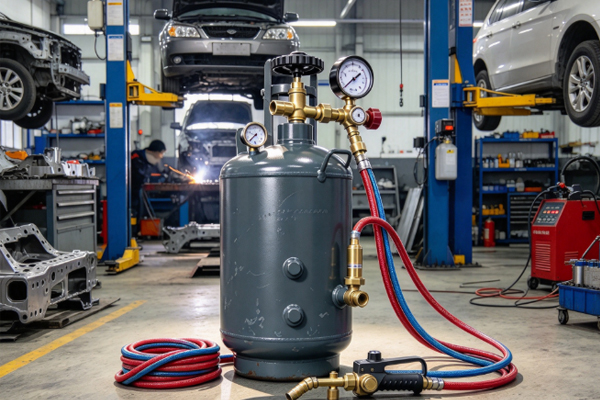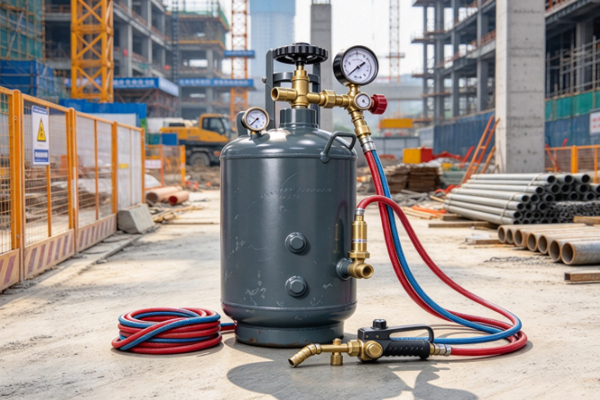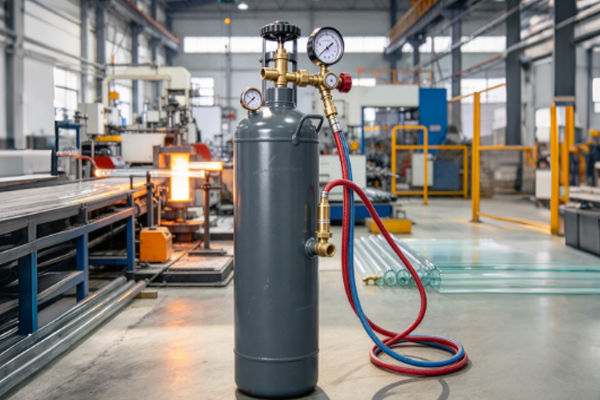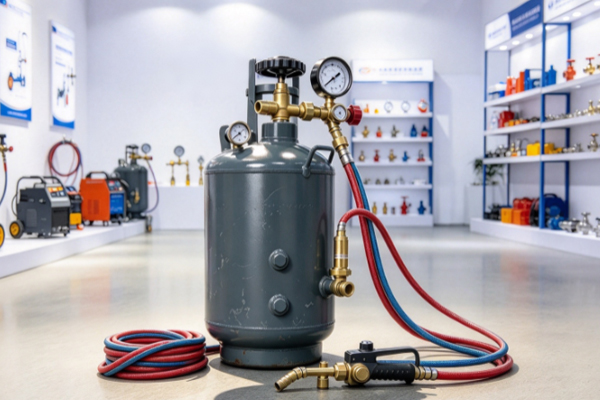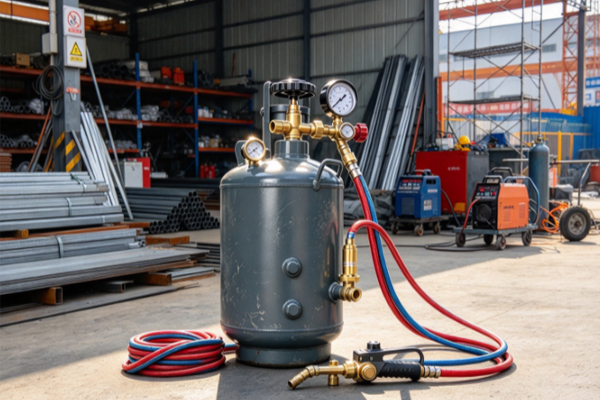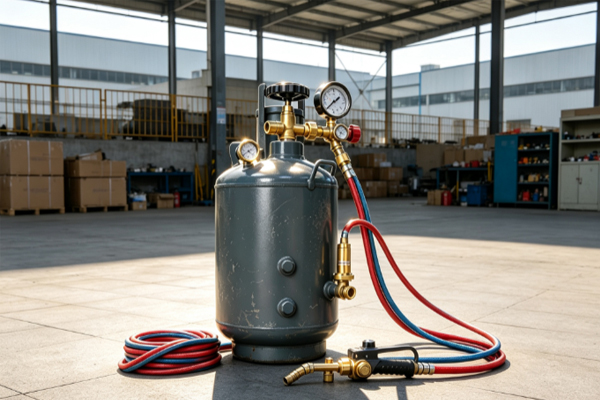
Many companies focus on the performance of their acetylene storage tanks after purchase but often overlook how the equipment is stored. In reality, acetylene equipment also needs proper care when it is not being used. Leaving it in a damp corner, near a heat source, or mixed in with other materials for a long time can affect its condition. For factories, welding workshops, and steel structure manufacturers, acetylene storage tank use includes more than just operation—the way the equipment is stored also matters. Choosing a suitable storage area and carrying out simple inspections can reduce problems later and help keep the equipment in good condition.
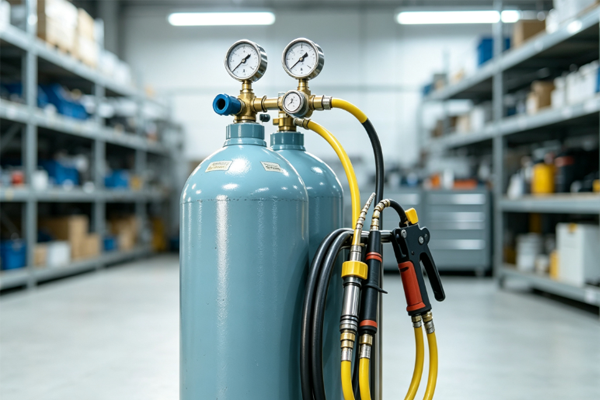
How Should You Choose a Storage Location for an Acetylene Storage Tank?
Where an acetylene storage tank is placed is something many companies tend to overlook. Some workshops have limited space and temporarily place equipment beside machinery, near walkways, or even outdoors. While this may seem convenient for a short time, it is not ideal for long-term storage.
When choosing a storage location, pay attention to the following:
- Keep the area well ventilated: Avoid completely enclosed spaces where gas could accumulate.
- Keep away from high-temperature areas: Do not place tanks near welding points, heating equipment, or open flames.
- Avoid damp environments: Keep the floor and surrounding area dry to reduce corrosion of the tank.
Factories should ideally designate a fixed area for storing acetylene storage tanks instead of moving them around from place to place. A fixed storage location makes inspections easier and helps workers develop consistent handling habits.
What Details Should Be Considered When Positioning Acetylene Storage Tanks?
The way an acetylene storage tank is positioned can also affect its condition during long-term storage. Many problems at the worksite are not caused by poor equipment quality but by careless handling and storage. Improper placement or accidental impacts can create additional inspection and maintenance concerns.
During storage, the tank should remain stable and be protected from tipping or impact. Avoid placing cardboard boxes, wood, oil, or other unnecessary materials around the tank. Leave enough space for workers to inspect the equipment properly. Companies storing multiple tanks can also assign identification numbers and keep simple usage and inspection records, making future management much easier.
What Inspections Are Needed When an Acetylene Storage Tank Is Not Used for a Long Time?
An acetylene storage tank should not simply be left unattended because it is not being used. After sitting for an extended period, changes in the surrounding environment may affect the tank body, valves, and connection components. Regular checks can help identify minor issues early.
Routine inspections can include:
- Check the tank exterior: Look for rust, scratches, or visible damage.
- Check the valve: Make sure the valve and related components appear normal.
- Check the surrounding area: Make sure no new heat sources, flames, or unnecessary materials have appeared nearby.
If the equipment is going to be put back into service, it should be inspected beforehand rather than connected and used immediately. This is particularly important for acetylene storage tanks that have been idle for a long time. Spending a little time checking the equipment can make subsequent operation much safer.
Do Not Overlook Site Management Before and After Using an Acetylene Storage Tank
Safe storage does not end once an acetylene storage tank has been placed in position. Daily habits before and after use also matter. Many problems occur because of small details, such as leaving equipment in the wrong place after use or having new workers who are unfamiliar with storage requirements.
During daily use, pay attention to:
- Inspect the equipment before use: Check that the tank shows no abnormal conditions before connecting it.
- Put the equipment away after use: Do not leave it in production walkways or random locations.
- Assign clear responsibility: Have designated personnel handle equipment inspection and storage.
- Keep the storage area clean: Reduce clutter and make routine inspections easier.
For companies that use acetylene equipment regularly, developing simple storage habits is important. Decide who is responsible for inspections, where the equipment should be stored, and how often it should be checked. This makes daily production easier and reduces problems caused by poor management.
Safe acetylene storage tank storage is not complicated. The key is paying attention to everyday details. Choosing a suitable storage location, keeping the area dry and well ventilated, checking equipment regularly, and following proper acetylene storage tank usage practices can help keep the equipment in good working condition. For companies that rely on acetylene equipment over the long term, taking care of these basic steps is much easier than dealing with problems after they occur. Zhongcheng Gas Cylinde provides professional acetylene equipment products to help companies choose storage equipment suited to their production needs.