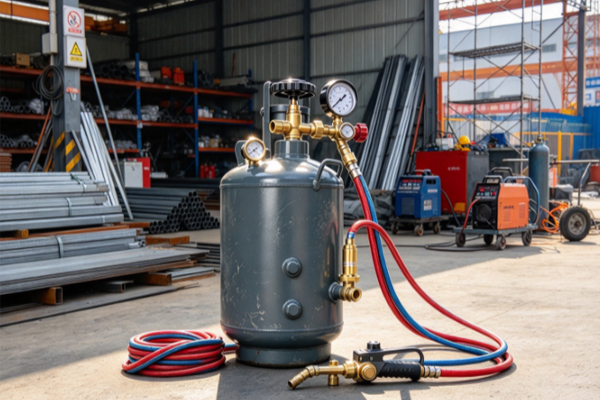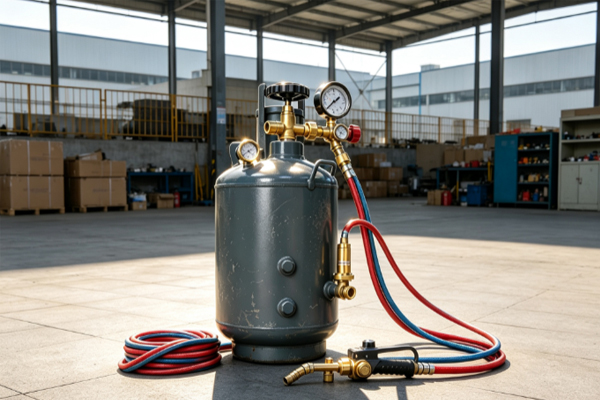
When carrying out gas cutting work, many companies are unsure about what size acetylene storage tank they should choose. If the equipment is too small, the gas supply may not be enough during cutting, requiring frequent replacement and interrupting work. If the equipment is too large, it may increase purchasing costs and take up more production space. In fact, acetylene storage tank size is not simply about choosing the largest capacity. The right choice depends on daily cutting volume, working hours, number of cutting torches, and the type of materials being processed. Repair shops, small processing plants, and large steel structure companies all have different requirements. Selecting the right specification in advance can make cutting operations smoother and reduce problems during use.
What Acetylene Storage Tank Size Is Suitable for Small Cutting Jobs?
For repair shops, mobile workers, and small-batch processing users, acetylene consumption is usually not very high. These users often care more about easy movement, smaller space requirements, and whether the equipment can meet daily cutting needs. The best acetylene storage tank size is not the largest one, but the one that matches the actual workload.
Common specification references include:
- Around 10L capacity: Suitable for simple repairs, occasional cutting, and low-frequency use.
- 15L to 20L capacity: Suitable for small processing tasks and longer working periods.
- Small-capacity equipment above 20L: Suitable for slightly higher acetylene consumption in small production environments.
For repair workshops that mainly handle equipment maintenance, parts cutting, and occasional metal processing, 10L to 20L acetylene cylinders are often sufficient. If working hours increase or thicker materials are frequently cut, a larger storage capacity can help reduce interruptions caused by replacing gas supplies.
How Should Ordinary Factories Choose Acetylene Storage Tank Size?
Mechanical processing factories, sheet metal workshops, and general manufacturing plants usually perform cutting operations more frequently. These users need stable gas supply while also controlling equipment investment. Choosing a tank that is too small may affect production, while selecting an oversized unit may increase unnecessary costs.
Common options include:
- 30L equipment: Suitable for regular cutting work, equipment manufacturing, and daily processing tasks.
- 40L to 60L equipment: Suitable for production workshops with fixed daily cutting requirements.
- Around 60L capacity: Suitable for longer continuous cutting operations.
For factories that cut steel plates, produce brackets, or process metal structures every day, 40L to 60L acetylene storage tanks are often more practical. This capacity provides a more stable gas supply, reduces replacement frequency, and allows workers to continue production without frequent interruptions.
What Size Acetylene Storage Tank Is Needed for Large Steel Structure Cutting?
Large steel structure manufacturers and heavy machinery companies require stronger acetylene supply capability. Cutting thick steel plates, steel beams, and large metal components consumes more acetylene, making small-capacity equipment unsuitable for long-term production.
These companies usually consider:
- 80L storage tanks: Suitable for frequent cutting operations and more stable gas supply.
- 100L or larger equipment: Suitable for large processing plants with continuous production needs.
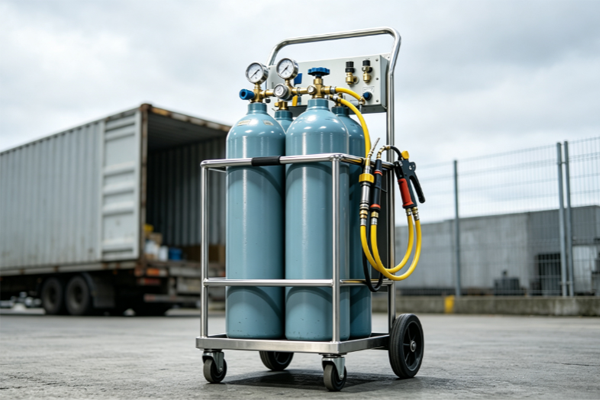
- Multiple equipment supply solutions: Required when several cutting stations operate at the same time.
For large companies, the main concern when selecting acetylene storage tanks is production continuity. Insufficient capacity can lead to frequent downtime during cutting. Although larger tanks require higher initial investment, they can reduce production delays and improve overall working efficiency over time.
What Other Factors Should Be Considered When Choosing Acetylene Storage Tank Specifications?
When purchasing an acetylene storage tank, companies should not only focus on the capacity number. Actual working conditions, cutting methods, and installation environments all affect the best acetylene storage tank size.
Important factors include:
- Number of cutting torches: One torch and multiple torches operating together require different gas supply capacities.
- Material thickness: Thicker materials usually require higher acetylene consumption.
- Daily working hours: Longer continuous operation requires larger storage capacity.
- Available installation space: Larger equipment needs sufficient placement space.
Many companies only consider current production needs and overlook future changes. If orders increase or cutting tasks become heavier, the existing equipment may no longer meet production requirements. When choosing an acetylene storage tank size, leaving some extra capacity can make future operations more convenient.
There is no single fixed answer to what size acetylene storage tank is needed for cutting. Small repair operations can use around 10L to 20L specifications, regular factory cutting can consider 30L to 60L equipment, while large steel structure production is more suitable for 80L, 100L, or larger capacity solutions. Choosing the right acetylene storage tank size not only affects cutting efficiency but also influences long-term operating costs. Zhongcheng Gas Cylinde provides professional acetylene equipment products to help companies select solutions that better match their production requirements.