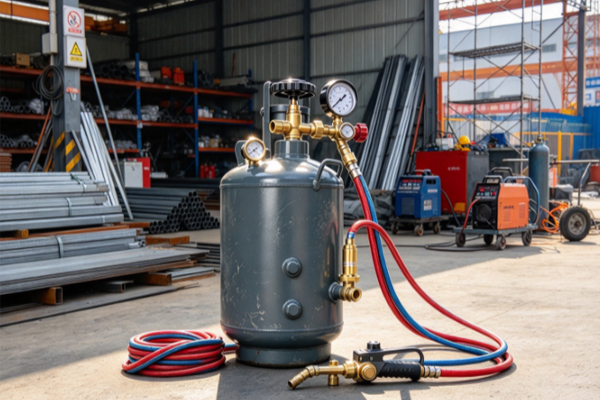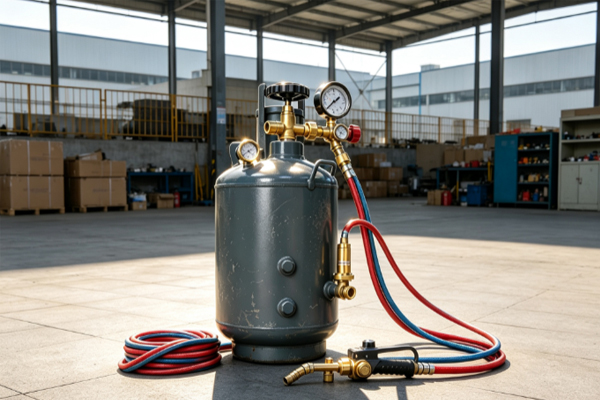
An oxy-acetylene welding torch is a widely used heating tool for metal welding, flame cutting, equipment maintenance, and machinery manufacturing. It produces a high-temperature flame by mixing oxygen and acetylene in the correct proportion, making it suitable for welding, brazing, heating, and cutting operations. Proper operation helps achieve a stable flame, reduces equipment failures, and improves workplace safety. Whether you are new to oxy-acetylene welding or looking to improve your operating techniques, understanding the correct procedures is essential for safe and efficient performance.
Working Principle of an Oxy-Acetylene Welding Torch
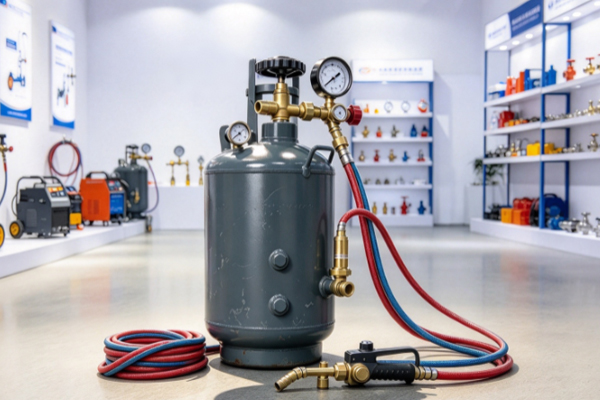
An oxy-acetylene welding torch uses acetylene as the fuel gas and oxygen as the oxidizer. The two gases are mixed inside the torch before being ignited at the nozzle to produce a high-temperature flame. By adjusting the oxygen and acetylene control valves, operators can create a neutral flame, carburizing flame, or oxidizing flame to suit different welding and heating applications. The internal mixing chamber, nozzle design, and gas flow rates all influence flame stability. Before using the torch, inspect the torch body, pressure regulators, hoses, and cylinder connections to ensure the gas supply system is secure and operating correctly. A stable gas supply produces a concentrated flame, improves weld quality, and helps prevent flashback or unstable combustion.
Benefits of Using an Oxy-Acetylene Welding Torch
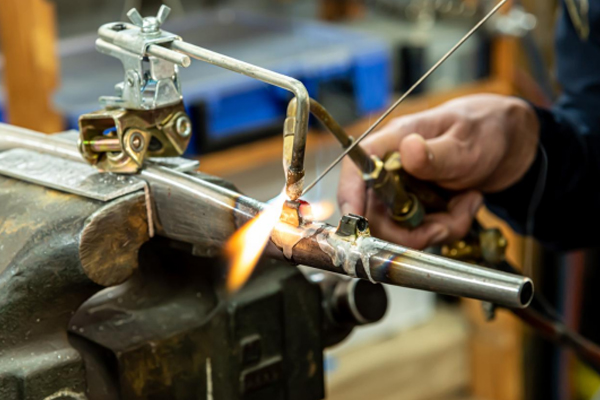
An oxy-acetylene welding torch provides rapid heating, high flame temperatures, and excellent versatility for a wide range of metalworking applications. It is commonly used in steel fabrication, pipeline installation, automotive repair, machinery manufacturing, and maintenance work. Compared with some stationary welding systems, an oxy-acetylene torch is lightweight and portable, making it ideal for field work and outdoor projects. By adjusting the flame size correctly, operators can perform precision welding, metal cutting, localized heating, and brazing with the same equipment. Proper operating practices also reduce fuel consumption, minimize wear on the torch, regulators, and nozzles, and improve overall work efficiency.
Correct Steps for Using an Oxy-Acetylene Welding Torch
Following the proper operating procedure helps maintain a stable flame while reducing the risk of flashback, flame instability, and gas leakage. Each step should be completed carefully and in the correct sequence.
Before lighting the torch, make sure all equipment has been connected properly and verify that there are no gas leaks throughout the system.
- Inspect all equipment connections:Confirm that the oxygen cylinder, acetylene cylinder, pressure regulators, and hoses are securely connected without visible damage or looseness.
- Open the cylinder valves slowly:Gradually open the acetylene and oxygen cylinder valves to allow the regulators to build pressure steadily.
- Ignite the acetylene flame:Slightly open the acetylene valve on the torch and ignite the gas using a spark lighter designed for welding equipment. Avoid using matches or cigarette lighters.
- Adjust the oxygen flow:Slowly open the oxygen valve and adjust the flame according to the material and welding requirements.
- Begin welding after flame stabilization:Start welding or heating only after the flame becomes stable without flashback, popping sounds, or irregular combustion.
After completing these steps, continue monitoring the flame throughout the operation and make minor adjustments whenever necessary to maintain consistent performance.
Common Applications of an Oxy-Acetylene Welding Torch
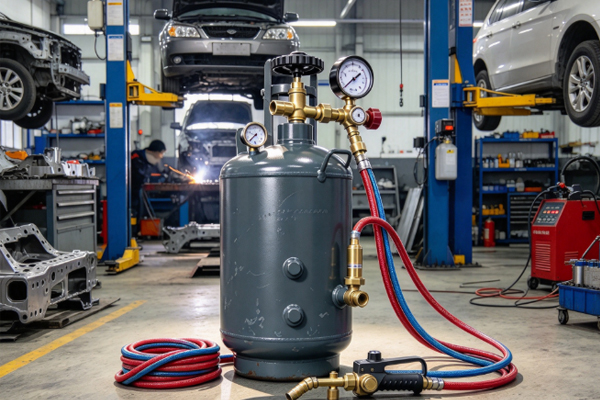
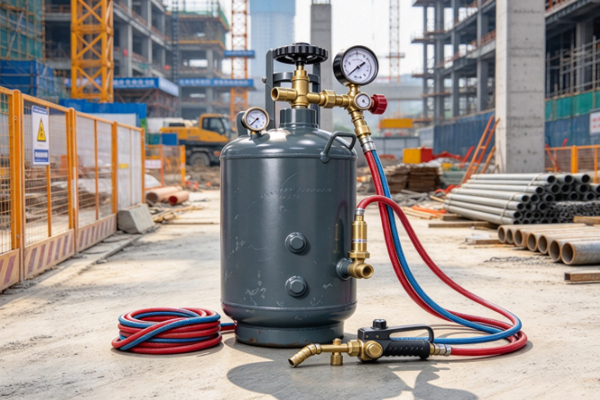
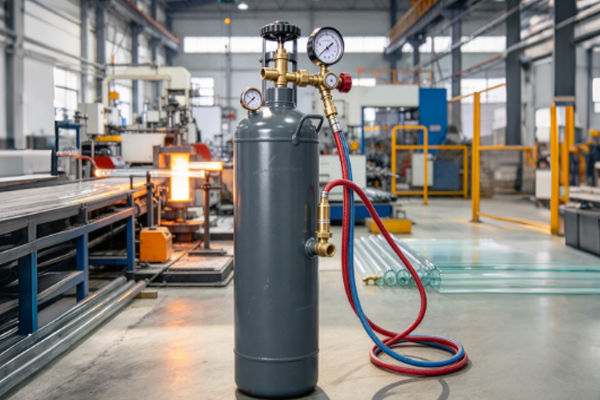
Oxy-acetylene welding torches are widely used in structural steel fabrication, automotive body repair, construction projects, machinery manufacturing, metal artwork, equipment maintenance, and pipeline installation. In automotive repair shops, they are frequently used for body panel repairs and loosening seized components through controlled heating. Construction sites commonly use them for steel structure welding and cutting. Manufacturing facilities rely on them for welding, preheating, and heat treatment applications. Their portability also makes them an excellent choice for outdoor work and locations where access to large welding equipment is limited, allowing operators to complete high-quality welding in a variety of environments.
Proper Procedures After Using an Oxy-Acetylene Welding Torch
Safe operation does not end when the welding job is finished. Proper shutdown procedures and equipment inspection help maintain reliable performance and prepare the equipment for future use.
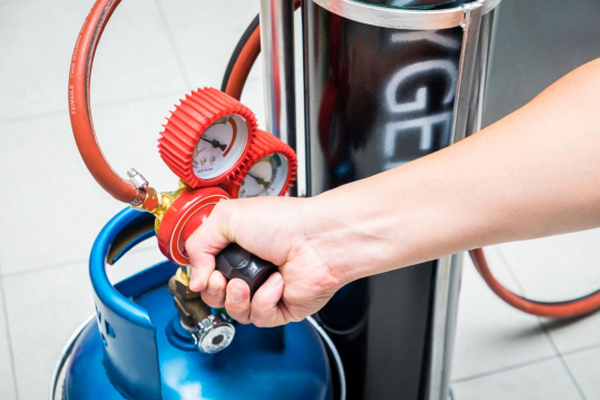
After completing the welding task, follow the standard shutdown sequence before storing the equipment.
- Close the acetylene and oxygen valves:Shut off the torch valves and cylinder valves according to standard operating procedures to stop the gas supply.
- Release residual gas pressure:Open the torch valves briefly to release the remaining gas pressure in the hoses before closing the torch again.
- Clean the welding nozzle:Remove carbon deposits and debris from the nozzle to maintain smooth gas flow and reliable ignition during future use.
- Inspect hoses and pressure regulators:Check for signs of wear, aging, cracks, or loose fittings and perform maintenance if necessary.
- Store the equipment properly:Place the welding torch and related equipment in a dry, well-ventilated location away from heat sources and open flames.
By completing these post-operation procedures, the oxy-acetylene welding torch remains in excellent working condition, extending equipment service life while ensuring safer and more reliable performance during future welding operations.