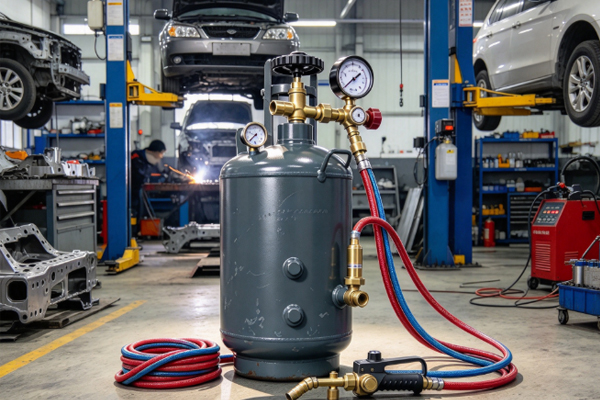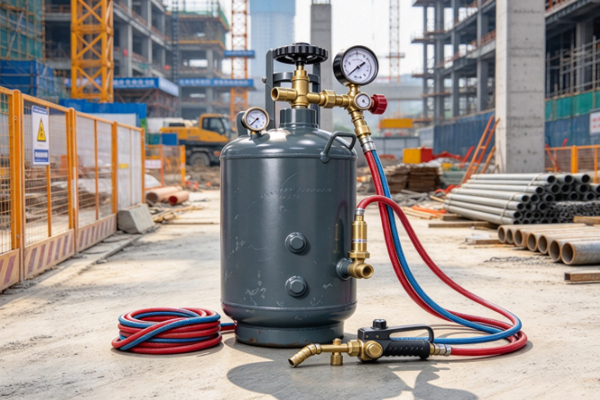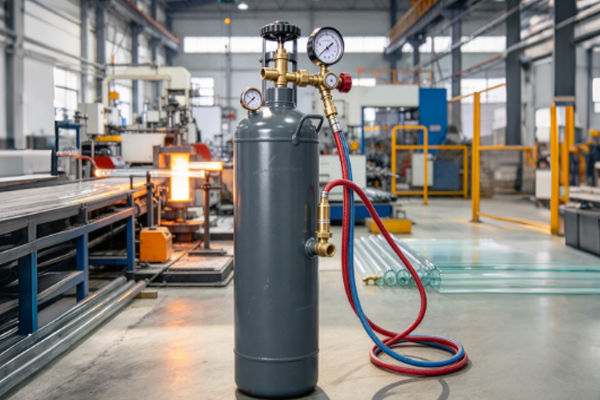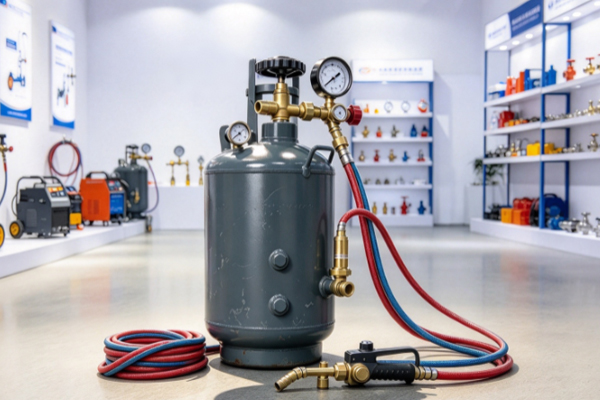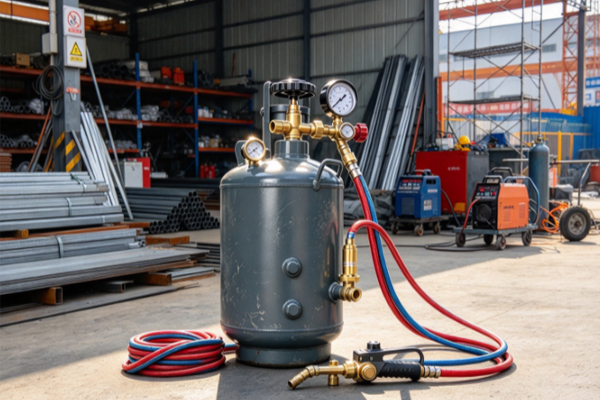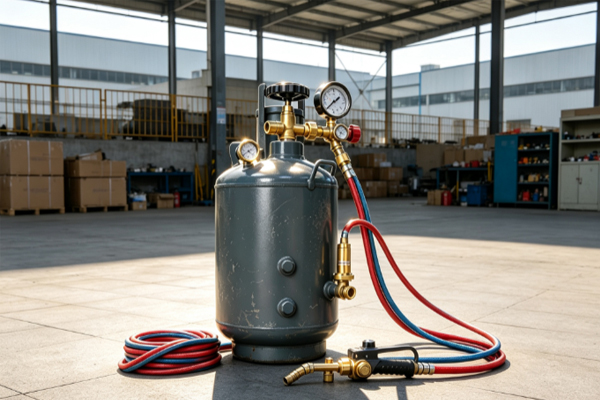
Oxy-acetylene cutting is one of the most widely used thermal cutting methods in steel fabrication, equipment dismantling, machinery manufacturing, and construction projects. It uses a high-temperature flame produced by burning oxygen and acetylene to preheat metal to its ignition temperature. A stream of high-pressure cutting oxygen then reacts with the heated metal, blowing away molten oxides to create a clean cut. Mastering the correct oxy-acetylene cutting procedure improves cutting quality, reduces gas consumption, extends equipment service life, and helps maintain a safe and efficient working environment.
Working Principle of Oxy-Acetylene Cutting
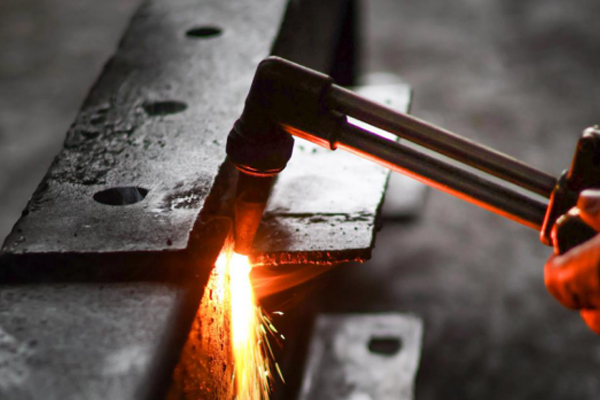
Oxy-acetylene cutting does not rely solely on the flame to melt metal. Instead, the acetylene flame heats the steel to its ignition temperature, after which a jet of pure cutting oxygen causes rapid oxidation of the metal. This oxidation reaction generates additional heat while the oxygen stream removes the molten oxides from the cutting path, producing a continuous kerf. This process is particularly effective for mild steel and carbon steel, including thick steel plates. Before beginning any cutting operation, inspect the acetylene cylinder, oxygen cylinder, pressure regulators, hoses, and cutting torch to ensure all connections are secure and leak-free. A stable gas supply is essential for maintaining flame quality and achieving consistent cutting performance.
Benefits of Oxy-Acetylene Cutting
Oxy-acetylene cutting offers excellent flexibility, broad application capability, and relatively low equipment costs. It is widely used in structural steel fabrication, scrap metal recycling, ship repair, bridge construction, and heavy machinery manufacturing. Because the equipment is portable, it can be used effectively in workshops, construction sites, and outdoor maintenance projects. Compared with many mechanical cutting methods, oxy-acetylene cutting handles thick steel efficiently and is well suited for irregular shapes and large structural components. Proper operating techniques also reduce material waste, produce smoother cut edges, and create high-quality surfaces that require less finishing before welding or assembly.
Correct Operating Procedure for Oxy-Acetylene Cutting
Following the proper cutting procedure helps maintain a stable flame, produce smooth cutting edges, and reduce the likelihood of flashback, nozzle blockage, or interrupted cutting. Before starting, confirm that the equipment has been fully inspected and that the work area is free from combustible materials.
Before beginning the cutting operation, make sure all equipment is functioning correctly and the gas supply system is operating normally.
- Inspect the equipment:Verify that the oxygen cylinder, acetylene cylinder, regulators, hoses, and cutting torch are securely connected without gas leaks.
- Ignite the cutting torch correctly:Open the acetylene valve slightly, ignite the flame using an approved spark lighter, and gradually introduce oxygen until a neutral flame is achieved.
- Preheat the cutting area:Heat the starting point evenly until the steel reaches its cutting temperature before activating the cutting oxygen lever.
- Maintain a consistent cutting speed:Move the cutting torch steadily while keeping the correct distance between the nozzle and the workpiece to produce a clean and uniform cut.
- Monitor the flame continuously:Observe the flame color, cutting quality, and slag removal throughout the operation, making adjustments to the gas flow whenever necessary.
After completing these steps, inspect the cut edge. If incomplete cutting or rough surfaces are found, adjust the flame settings and travel speed before continuing.
Common Applications of Oxy-Acetylene Cutting
Oxy-acetylene cutting is widely used in structural steel fabrication, machinery dismantling, automotive repair, shipbuilding, pressure vessel manufacturing, and scrap metal processing. In steel construction projects, it efficiently cuts H-beams, steel plates, channels, and structural sections. During equipment maintenance, it is commonly used to remove corroded or oversized metal components. Manufacturing facilities use oxy-acetylene cutting for heavy plate processing, custom-shaped parts, and on-site modifications. Since the equipment does not require a fixed electrical power source, it is especially suitable for field operations and locations where mobility is essential.
Proper Procedures After Completing Oxy-Acetylene Cutting
Safe operation continues even after the cutting job is finished. Proper shutdown procedures and equipment maintenance help prevent nozzle blockage, hose deterioration, and regulator damage while ensuring the equipment is ready for future use.
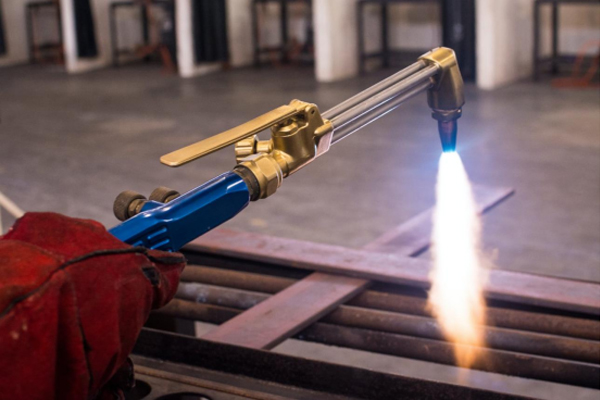
After completing the cutting work, follow the standard shutdown sequence to maintain equipment safety and reliability.
- Close the gas valves in the correct order:Shut off the cutting torch valves first, followed by the oxygen and acetylene cylinder valves to stop the gas supply completely.
- Release residual pressure from the hoses:Briefly open the torch valves to discharge the remaining gas pressure before closing them again.
- Clean the cutting nozzle:Remove slag, carbon deposits, and metal particles from the nozzle to maintain smooth gas flow and reliable ignition.
- Inspect all connections:Check hoses, regulators, and fittings for wear, looseness, cracks, or other damage, and replace defective parts when necessary.
- Store the equipment properly:Keep the cutting torch, acetylene cylinder, and oxygen cylinder in a dry, well-ventilated location away from direct sunlight and heat sources.
By following these maintenance procedures after each operation, the equipment remains in excellent working condition, providing safer, more reliable, and more efficient performance for future oxy-acetylene cutting tasks.