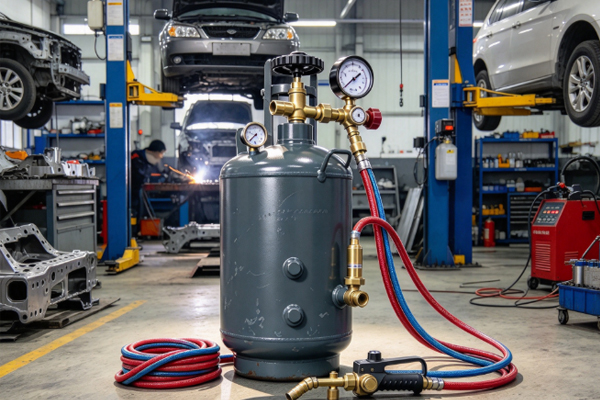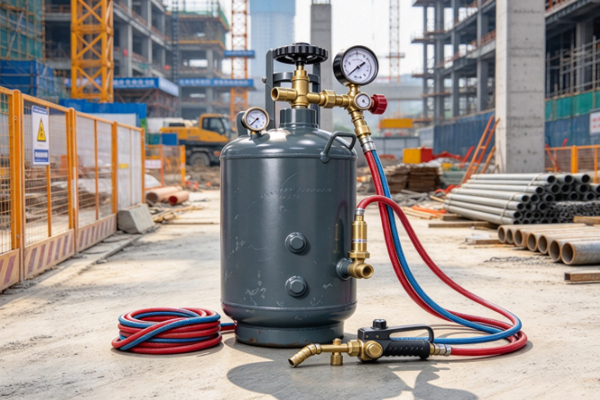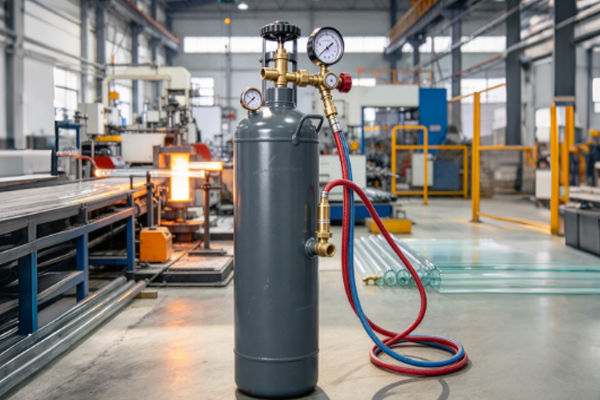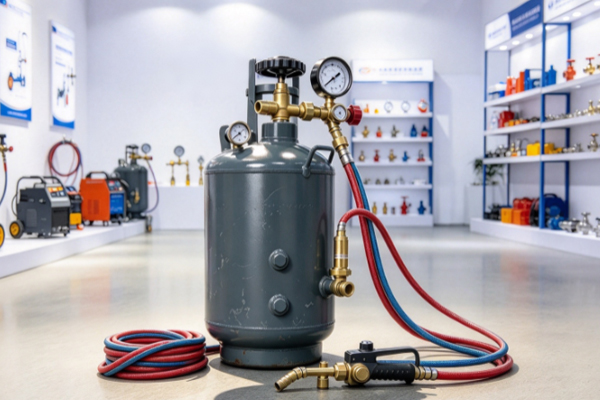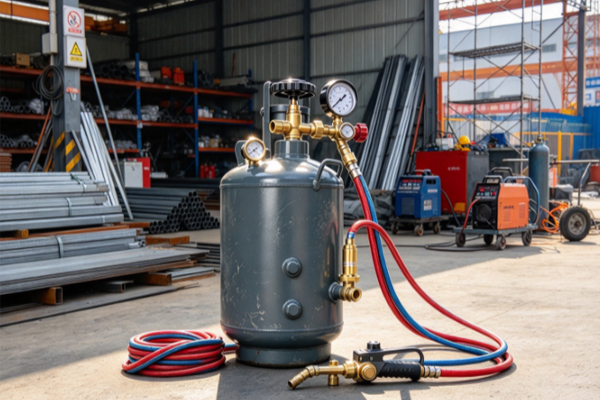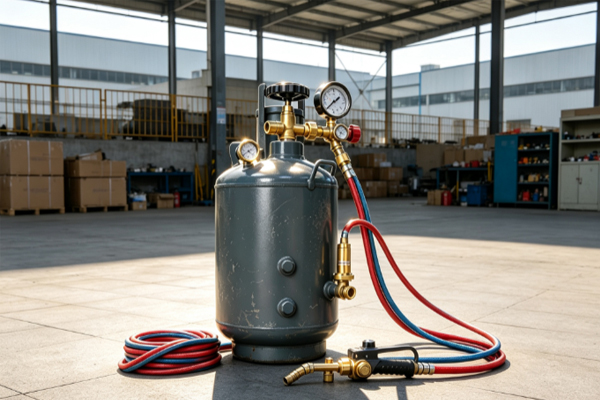
Industrial acetylene cylinders are widely used in steel structure fabrication, machinery manufacturing, ship maintenance, construction, metal cutting, and many other industries. They are essential equipment for the daily gas supply of numerous manufacturing enterprises. When purchasing industrial acetylene cylinders, many buyers wonder whether the price is expensive and hope to find a purchasing option that fits their budget. In reality, the cost of industrial acetylene cylinders cannot simply be described as “expensive” or “cheap.” It depends on factors such as cylinder size, gas filling volume, purchasing method, transportation distance, and gas supply services. For companies with long-term gas consumption, looking only at the price of a single cylinder does not accurately reflect the overall cost. Understanding the pricing structure and procurement options helps businesses choose a more cost-effective and practical gas supply solution.
Is the Price of Industrial Acetylene Cylinders Expensive?
The price of industrial acetylene cylinders usually varies depending on the cylinder size and gas supply method. On the market, the filling price for a standard 40L industrial acetylene cylinder generally ranges from RMB 80 to RMB 300. If a new cylinder needs to be purchased, the buyer will also need to pay for the cylinder itself or provide a cylinder deposit, making the initial purchase cost relatively higher. Although the first purchase requires a certain investment, acetylene cylinders can be refilled and reused repeatedly. As a result, the average cost per use remains relatively stable over the long term, making it a common operating expense in industrial production.
What Factors Affect the Price of Industrial Acetylene Cylinders?
● Cylinder Size and Purchase Quantity
Industrial acetylene cylinders are available in different capacities, and naturally, different sizes come with different prices. Larger-capacity cylinders support longer periods of continuous operation. Although the price per cylinder is higher, they reduce the frequency of cylinder replacement and are more suitable for long-term industrial production.
Purchase volume also affects pricing. Long-term customers or bulk purchasers can usually obtain more favorable pricing, while occasional purchases may incur higher overall procurement costs due to more frequent deliveries.
● Delivery Services and Regional Differences
Industrial gas transportation must comply with relevant safety regulations, making transportation distance and delivery services part of the overall pricing. Companies located closer to gas suppliers generally enjoy lower delivery costs, while longer transportation distances or urgent delivery requests may increase the total expense. In addition, regional market supply and demand conditions also influence pricing, so the cost of the same specification acetylene cylinder may vary from one city to another.
How Can You Purchase Industrial Acetylene Cylinders More Cost-Effectively?
● Choose the Purchasing Method Based on Actual Gas Consumption
When purchasing industrial acetylene cylinders, companies should choose a procurement method that matches their production scale. For short-term construction or maintenance projects, renting cylinders and paying only for gas refills can reduce initial capital investment. For factories with stable, long-term production needs, purchasing company-owned cylinders or establishing a long-term partnership with a qualified gas supplier for scheduled cylinder refills can ensure a stable gas supply while reducing long-term procurement costs.
● Do Not Compare Only the Price Per Cylinder
Many purchasing managers tend to choose the supplier offering the lowest quoted cylinder price, but the unit price alone does not represent the total procurement cost. Some quotations exclude transportation, delivery charges, cylinder deposits, or other service fees, resulting in a final payment that exceeds expectations. When requesting quotations, it is important to understand exactly what is included in the price and compare suppliers based on after-sales service, delivery efficiency, and supply reliability, making it easier to select the most cost-effective purchasing solution.
Frequently Asked Questions
Q1: Why do industrial acetylene cylinder prices vary so much?
Prices are influenced by cylinder specifications, geographic location, gas suppliers, and transportation distance, so price differences across the market are normal.
Q2: Why is the first purchase more expensive?
The initial purchase usually requires buying a new cylinder or paying a cylinder deposit. Therefore, in addition to the gas filling fee, there is an extra upfront cost.
Q3: Can long-term cooperation provide better pricing?
Generally, yes. Long-term customers, bulk buyers, and businesses with scheduled delivery agreements are more likely to receive stable and preferential pricing.
Q4: Is it better to rent or buy industrial acetylene cylinders?
Rental is often more suitable for short-term projects, while purchasing cylinders or establishing a long-term supply agreement is generally more economical for companies with consistent long-term gas usage.
Industrial Acetylene Cylinder Procurement Case
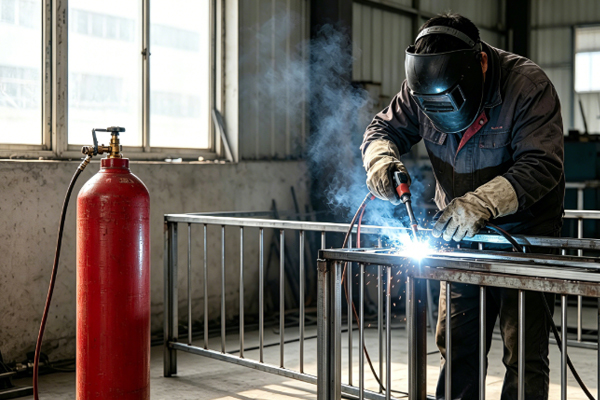
A steel structure manufacturing company requires a large amount of acetylene gas every day for welding and cutting operations. Initially, the company purchased acetylene on an as-needed basis according to its production schedule. Although this approach provided flexibility, transportation costs were relatively high, and occasional delivery delays disrupted normal production.After discussing its requirements with a local industrial gas supplier, the company switched to a long-term gas supply agreement. The supplier began delivering industrial acetylene cylinders on a scheduled basis while simultaneously collecting empty cylinders for refilling. After making this adjustment, procurement prices became more stable, delivery frequency was significantly reduced, the on-site gas supply became more consistent, overall purchasing costs were effectively controlled, and production scheduling became much smoother.
From the perspective of a single cylinder, industrial acetylene filling costs represent a normal production expense for manufacturing enterprises. However, the factors that truly determine the total cost include cylinder expenses, transportation and delivery, purchasing methods, and gas supply services. For companies that use acetylene gas on a long-term basis, establishing a stable procurement channel is far more valuable than simply comparing prices. When purchasing industrial acetylene cylinders, businesses should understand cylinder specifications, gas filling fees, deposit requirements, and delivery coverage in advance, while confirming whether the quotation includes transportation, cylinder replacement, and related services. By planning procurement based on actual gas consumption, companies can effectively control long-term operating costs while ensuring a continuous and reliable gas supply, ultimately improving overall production efficiency.