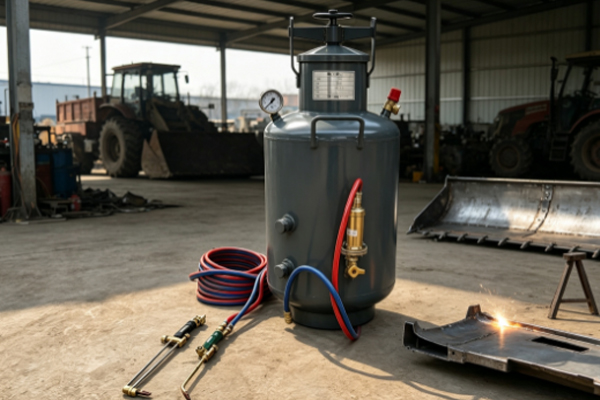
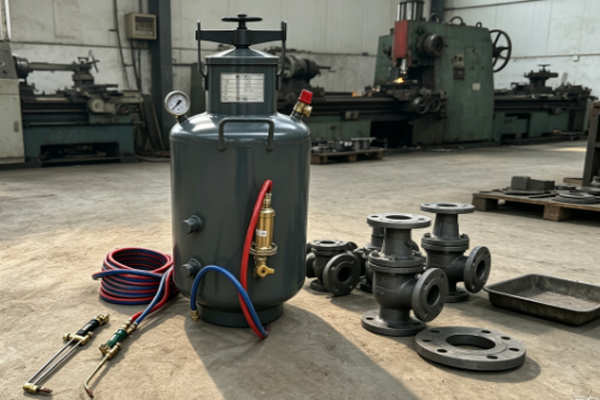
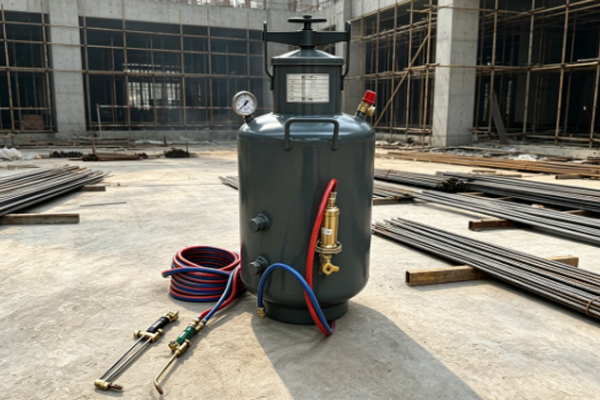
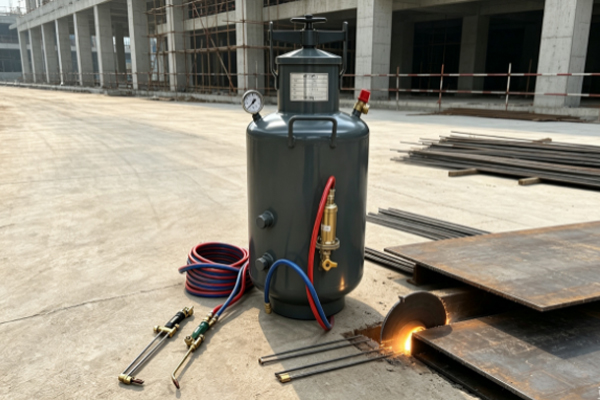
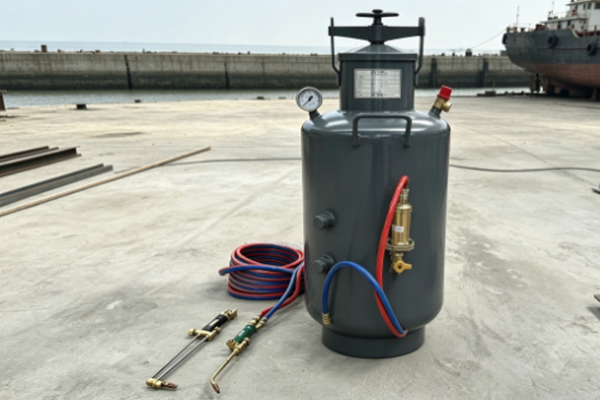
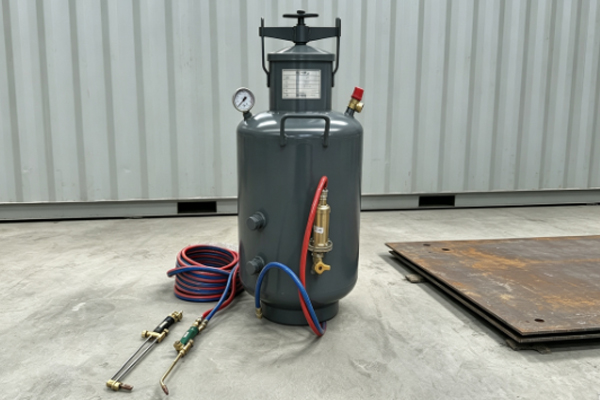
Once an acetylene tank has been installed and the pipelines are connected, is it ready for operation? Not quite. Even if the equipment looks fine from the outside, every connection, valve, pressure gauge, and safety accessory still needs to be checked. This is particularly important in factories, metal cutting workshops, and construction sites, where an interruption in acetylene supply can delay work or create safety risks. A thorough post-installation inspection helps confirm that the equipment is ready for reliable operation. Checking the critical components before use is much easier than dealing with problems after production begins.
What Components Should Be Checked After Acetylene Tank Installation?
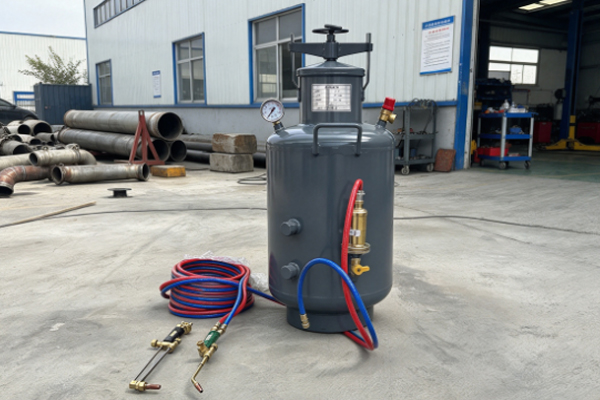
After installation, start by inspecting the tank itself. Don’t focus only on its external appearance. The nameplate, valves, gauges, and accessories should all match the equipment’s technical documentation. Different acetylene tank models may have different structures and configurations, so appearance alone is not enough to determine whether the equipment is ready for use.
- Tank body: Check for deformation, corrosion, or visible damage.
- Valves: Confirm they are properly installed and securely fitted.
- Pressure gauge: Check its specifications, range, and calibration status.
- Safety accessories: Make sure all required components are present and compatible.
These checks may seem basic, but they are easy to overlook when installation is being completed under time pressure. Valves and connections deserve particular attention because incorrect positioning can make future operation and maintenance difficult. If any component is damaged, incorrectly specified, or improperly installed, stop the commissioning process and have qualified professionals inspect it. Do not disassemble the equipment or replace parts with incompatible alternatives.
How Do You Check for Gas Leaks After Acetylene Tank Installation?
Pipeline connections are among the most important points to inspect during installation acceptance. A tank may appear to be in good condition, but that does not mean the entire gas supply line is free from problems. Flanges, valve connections, pipeline joints, and sealing points must undergo professional leak testing in accordance with the equipment requirements. This is especially important in industrial facilities with long pipelines and numerous connection points, where even one poorly fitted joint can affect the entire gas supply system.
- Connection points: Check that joints and seals are properly installed.
- Pipeline support: Make sure pipes are secure and free from crushing or improper bending.
- Professional leak testing: Use testing methods suitable for acetylene systems.
Never use an open flame to check for leaks or attempt to tighten connections while the system is pressurized. If a leak is suspected, stop work, stay away from ignition sources, avoid operating electrical equipment that could create sparks, and follow the site’s emergency procedures. Contact qualified personnel and resume the acceptance process only after the fault has been resolved and the system has passed a follow-up inspection.
How Should Pressure Gauges and Safety Devices Be Checked After Installation?
A pressure gauge displaying a reading does not automatically mean the pressure system is functioning correctly. During acceptance, check the gauge range, accuracy, and calibration status to confirm that it meets the equipment specifications. Safety valves and other protective devices must also be correctly installed and compatible with the tank model. For equipment with automatic control functions, alarms, controls, and interlocks should be tested in accordance with the manufacturer’s instructions. Any pressure testing, leak testing, or safety device calibration must be performed by qualified personnel or authorized organizations. Do not increase the test pressure on your own just to speed up the process. Keep records of all inspection and testing results, together with the equipment manual and inspection documents, for future maintenance and troubleshooting.
What Site Conditions Should Be Checked Before Acetylene Tank Installation Acceptance?
Passing the equipment inspection is only part of the acceptance process. Once production starts, the surrounding environment also affects daily operation, ventilation, and maintenance. This is particularly important for large factories, overseas infrastructure projects, and construction sites far from acetylene filling stations. Installation planning should account for daily gas consumption, the distance to points of use, and the availability of future gas supplies. Before accepting the installation, check the following:
- Installation location: Confirm that the layout and required safety distances are appropriate.
- Ventilation and fire protection: Make sure site facilities meet applicable local regulations.
- Maintenance access: Ensure valves, gauges, and service points are easy to reach.
- Documentation: Check that installation records, inspection reports, and operating instructions are complete.
If a project requires continuous welding or cutting every day and there is no nearby acetylene filling station, a mobile acetylene generator may also be worth considering during equipment selection. It produces acetylene on-site through a controlled reaction between calcium carbide and water, reducing the need to transport empty tanks back and forth for repeated refilling. For suitable long-term projects with high gas consumption, total operating costs may be reduced by approximately 40%–60%. Actual savings depend on equipment investment, carbide prices, and maintenance expenses. For short-term projects or sites with convenient access to filling stations, traditional acetylene tanks may be more economical because they avoid the additional investment in generation equipment.
Post-installation inspections are essential for confirming that an acetylene tank is ready for operation and supporting smooth production over the long term. Checking tank capacity, valve configuration, pressure requirements, and site conditions before purchasing equipment can also help avoid unnecessary adjustments later. We offer acetylene tanks in different specifications, as well as mobile acetylene generators, with configurations suited to different gas consumption requirements. If you are planning an industrial project or purchasing new equipment, share your application, estimated gas consumption, order quantity, and destination port to discuss suitable product specifications and request a quotation.