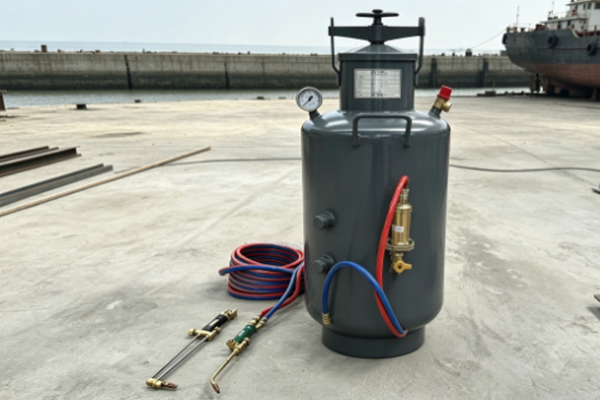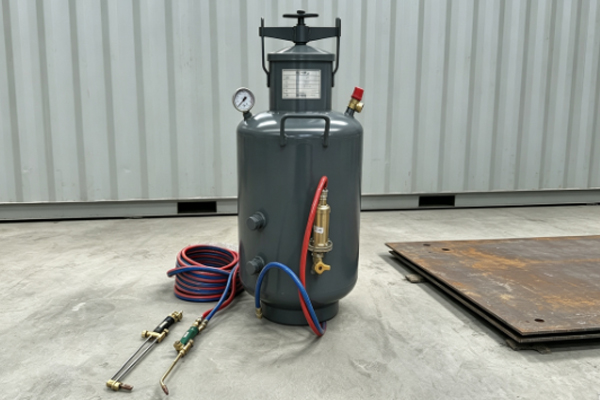
After sitting in a warehouse, workshop, or construction site for a long time, an acetylene tank may start showing signs of rust. Some people assume it is only a cosmetic issue that can be fixed by wiping the surface. Others worry that corrosion may weaken the tank and create safety risks. The truth is that a rusty acetylene tank cannot simply be classified as safe or unsafe based on appearance alone. The location and depth of the corrosion, as well as its effect on the tank’s structure, all matter. For factories and construction projects that rely on regular acetylene tank use, arranging an inspection as soon as rust appears is much better than continuing to operate equipment without knowing its condition.
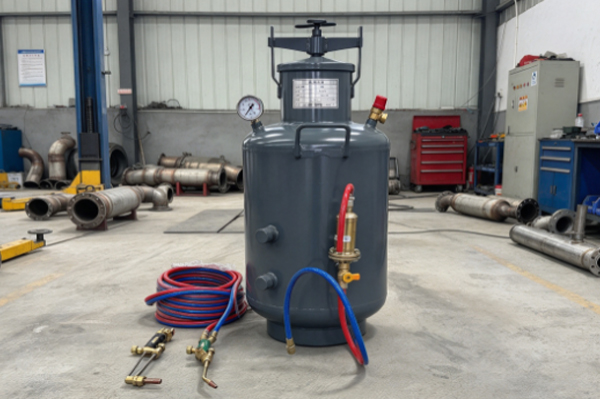
Can an Acetylene Tank Still Be Used If Its Body Is Rusty?
Rust does not automatically mean an acetylene tank must be scrapped, but removing the visible rust and continuing to use it is not a safe approach. Surface rust is different from deep corrosion. The bottom of the tank, welded areas, and locations exposed to standing water require particular attention.
- Light surface rust: No obvious pits are visible, but the tank still needs inspection.
- Flaking rust: This may indicate deeper corrosion.
- Rust near welds: These areas need careful examination.
- Cracks or bulges: Stop using the tank immediately.
Whether an acetylene tank can remain in service should never be judged by its appearance or its ability to supply gas alone. Qualified professionals should inspect it in accordance with the equipment specifications and applicable regulations before it is approved for further use.
Which Parts of an Acetylene Storage Tank Are Most Prone to Severe Rust?
When checking an acetylene tank, don’t just look at the front and sides. The bottom is particularly vulnerable because it can come into contact with standing water. If the tank is repeatedly placed on a damp floor, the risk of corrosion increases. Areas around support structures, welds, and valve connections also deserve attention. At outdoor construction sites, rain, mud, and temperature changes can gradually damage the protective coating. Once the coating is damaged, prolonged exposure to moisture can accelerate corrosion.
- Tank bottom: Check carefully for trapped moisture.
- Welded areas: Look for rust pits or unusual marks.
- Support contact points: Check for signs of prolonged dampness.
- Damaged coating: Inspect exposed metal promptly.
Some corrosion is difficult to notice at first. By the time deep pits appear, the damage may already be significant. Regular inspections should cover the entire tank rather than focusing only on visible rust spots.
What Should You Do If an Acetylene Tank Becomes Rusty?
If you notice rust, do not try to grind, hammer, or repaint the affected area yourself. When corrosion is already visible, simple surface treatment may hide the actual condition of the metal. A safer approach is to stop using the tank temporarily and arrange an inspection by qualified professionals before deciding what to do next.
The following steps can help:
- Stop using it: Suspend gas supply and mark the tank as out of service.
- Record the damage: Take photos of the corroded areas.
- Arrange an inspection: Check wall thickness, cracks, and structural condition.
- Review records: Check inspection and maintenance documents.
If the tank no longer meets the requirements for continued use, it must be taken out of service or scrapped in accordance with applicable regulations. Simple rust removal cannot restore a tank that has suffered structural damage. If an acetylene leak is suspected, stay away from flames and equipment that could produce sparks. Follow the site’s emergency procedures and contact qualified personnel. Never use an open flame to check for leaks.
How Can You Prevent Rust on Acetylene Tanks and Extend Their Service Life?
Daily storage and handling habits have a direct impact on the external condition of an acetylene tank. Store the equipment in a dry, well-ventilated area that meets the relevant requirements, and avoid prolonged exposure to rainwater, standing water, or corrosive substances. Prevent impacts and scratches during transportation to protect the external coating. Regular maintenance should include the following:
- Keep the storage area dry.
- Prevent impacts and scratches.
- Inspect the tank bottom and welds regularly.
- Check damaged coatings promptly.
- Arrange inspections as required.
For factories and overseas infrastructure projects that require continuous welding and cutting, equipment selection also affects long-term operating costs. If there is no convenient acetylene filling station nearby, repeatedly transporting empty and full tanks can increase logistics and management expenses. A mobile acetylene generator may be worth considering. It produces acetylene on-site through a reaction between calcium carbide and water. Its water-displacement mechanism adjusts the reaction as gas pressure changes, reducing the need for frequent manual intervention. For suitable projects with high gas consumption and long operating periods, total costs may be reduced by approximately 40%–60%. Actual savings depend on equipment investment, carbide prices, and maintenance expenses. For short-term projects, occasional gas use, or sites with convenient access to filling stations, traditional acetylene tanks are often more flexible and avoid the initial investment in generation equipment.
Whether a rusty acetylene tank can still be used depends on its actual condition, and a professional inspection is essential before making that decision. When purchasing replacement equipment, pay attention to tank construction, valve configuration, and actual gas consumption requirements. We offer acetylene tanks in different specifications, as well as mobile acetylene generators for different gas supply needs. If you are planning to purchase or replace equipment, share your application, estimated gas consumption, order quantity, and destination port with us. We can recommend suitable equipment specifications and provide a quotation.