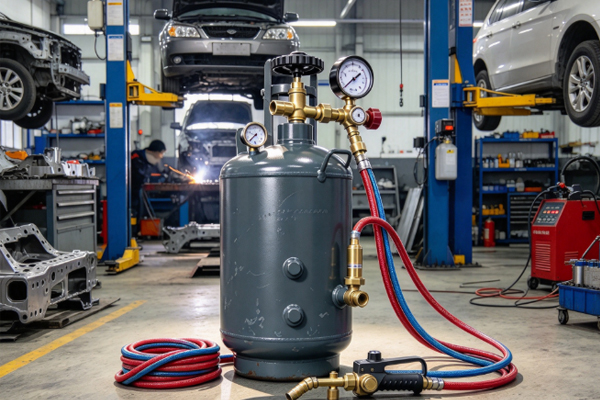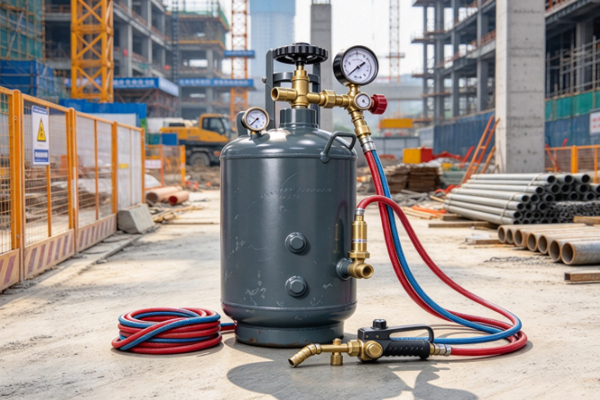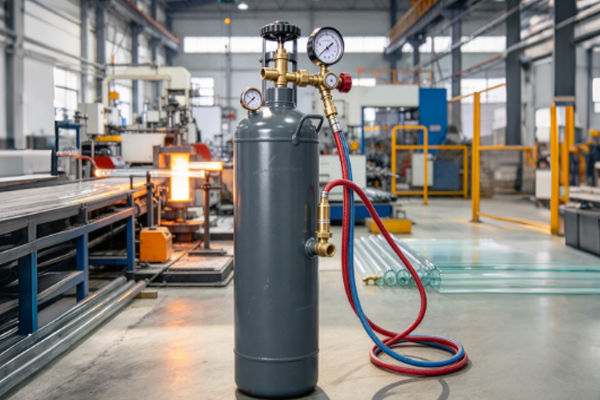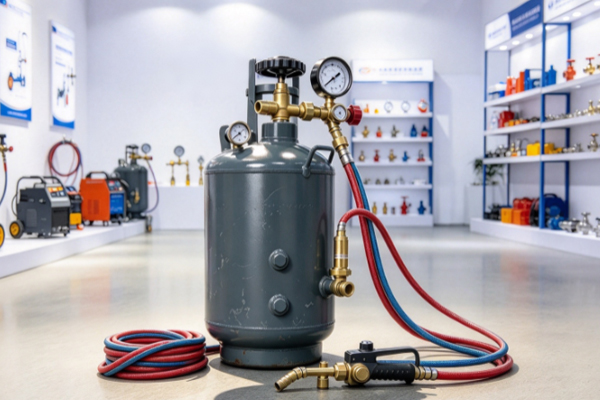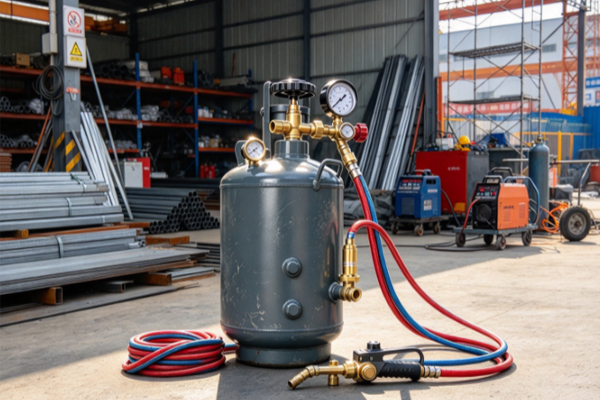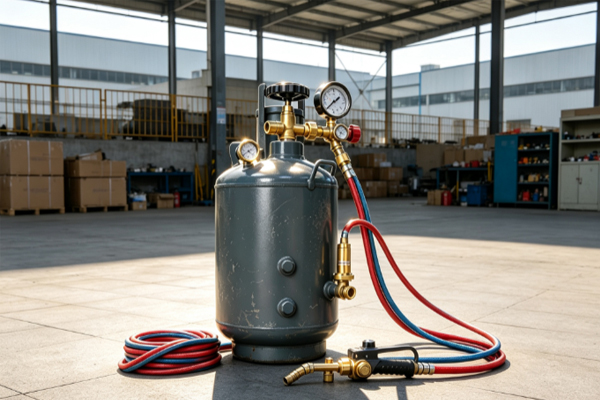
Acetylene cylinders are widely used in welding, cutting, metal processing, and other industrial operations. The temperature of the working environment directly affects internal pressure changes, gas output stability, and equipment safety. Many users want to know the suitable temperature range for acetylene cylinder operation and how to manage storage and usage in different environments. Since acetylene is a flammable gas, excessive temperatures may increase cylinder pressure and create operational risks, while extremely low temperatures may affect gas release performance. Understanding the proper operating temperature and maintaining a suitable environment are important for ensuring safe and stable cylinder operation.
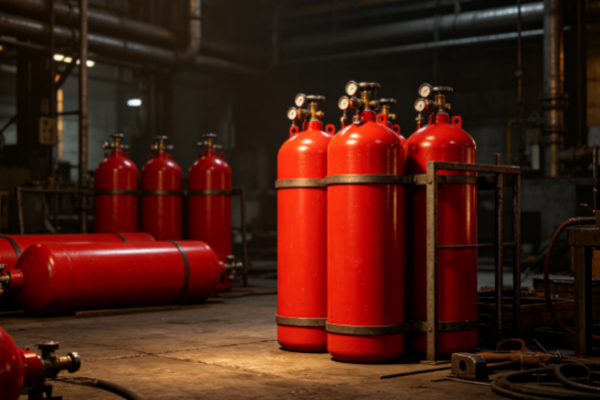
Acetylene cylinders should always be used and stored under conditions that meet safety requirements. They should not be exposed to extreme heat, excessive cold, or environments with rapid temperature changes for long periods. During actual operation, temperature control should be combined with ventilation conditions, equipment condition, and workplace requirements. Proper temperature management helps maintain stable cylinder performance and improves the efficiency of welding and cutting operations.
What Is the Normal Operating Temperature Range of an Acetylene Cylinder?
Acetylene cylinders should be used in environments with suitable and stable temperatures. Under normal circumstances, acetylene cylinders are designed for use in standard industrial environments where temperature conditions are generally acceptable. Maintaining a relatively stable surrounding temperature helps keep internal pressure balanced and allows acetylene gas to flow smoothly.
When environmental temperatures increase, the pressure inside the acetylene cylinder may also rise. During outdoor operations in summer, direct sunlight can significantly increase cylinder surface temperature, causing internal pressure changes. High temperatures not only affect gas conditions but may also accelerate aging of valves, seals, and other components.
Low-temperature environments can also influence acetylene cylinder performance. In cold areas, reduced temperatures may slow gas release and affect flame stability during welding and cutting. For cylinders used in cold conditions for extended periods, appropriate protection methods should be considered, but direct heating with open flames or high-temperature equipment must never be used.
Maintaining a suitable temperature environment helps keep internal cylinder conditions stable, reduces pressure fluctuations, and improves equipment reliability.
What Effects Can High Temperatures Have on Acetylene Cylinders?
High temperatures are one of the important factors affecting acetylene cylinder safety. When a cylinder is exposed to excessive heat, acetylene gas inside the cylinder expands, causing internal pressure to increase. If the temperature continues rising, the pressure may place additional stress on the cylinder body and valve system.
During outdoor welding operations in hot weather, acetylene cylinders should not be placed under direct sunlight for long periods. Continuous exposure to high temperatures can shorten the service life of cylinder accessories. Pressure regulators, sealing rings, and connection hoses may become aged or damaged due to heat, affecting gas delivery performance.
High-temperature environments can also increase the risk of surrounding combustible materials becoming dangerous. The acetylene cylinder working area should have good ventilation and remain away from heat sources, flames, and high-temperature locations. For workplaces requiring long continuous operation, cylinder placement should be planned carefully to avoid prolonged heat exposure.
Proper temperature control, including shading, protection, and ventilation measures, helps reduce the negative impact of high temperatures and ensures more stable operation.
Precautions for Using Acetylene Cylinders in Different Temperature Conditions
Acetylene cylinders may face different temperature challenges depending on seasons and working environments. To maintain stable equipment performance, appropriate measures should be taken according to actual conditions. Proper temperature management protects the cylinder and improves workplace safety.
Important practices include:
- Avoid direct sunlight and overheating:Acetylene cylinders should not be exposed to direct sunlight for extended periods. During outdoor operations in summer, place cylinders in shaded areas to reduce temperature increases. The protective area should remain well ventilated and should not create a closed high-temperature environment.
- Keep away from heat sources:Acetylene cylinders should be positioned away from welding heat sources, heating equipment, and other high-temperature areas. If continuous heat sources exist in the workplace, cylinder locations should be adjusted properly to prevent long-term temperature increases.
- Do not heat cylinders directly in cold environments:In cold conditions, reduced gas flow should never be corrected by using flames, hot water, or other direct heating methods. Improper heating may damage the cylinder structure. Safe environmental improvements should be used instead.
- Monitor temperature changes:Sudden temperature changes may affect internal pressure stability. Operators should observe equipment conditions before and during use and stop operation for inspection if abnormal pressure conditions occur.
- Maintain good ventilation:Proper airflow helps prevent heat accumulation and reduces the risk of gas concentration buildup. Ventilation is an important condition for safe acetylene cylinder operation.
Proper handling of different temperature environments reduces operational problems. By controlling storage locations, improving workplace conditions, and following correct operating procedures, acetylene cylinders can maintain reliable performance.
What Are the Temperature Requirements for Acetylene Cylinder Storage?
Temperature management is also important during acetylene cylinder storage. Cylinders should be stored in locations with stable temperatures and good ventilation to prevent damage caused by extreme environmental conditions.
Storage areas should be kept away from boilers, heating equipment, steam pipes, and other high-temperature facilities. Outdoor storage requires suitable protection from sunlight to prevent long-term exposure to heat.
In cold winter environments, storage locations should avoid water accumulation and excessive moisture. Although low temperatures do not increase cylinder pressure as quickly as high temperatures, they may affect valve performance and connection components.
Proper storage management requires adjustment according to environmental conditions. Maintaining stable temperatures, good ventilation, and correct placement methods helps reduce equipment aging and improves long-term cylinder performance.
How to Manage Acetylene Cylinder Temperature Safety
Temperature management for acetylene cylinders should continue throughout storage, transportation, and operation. Effective management reduces environmental impacts and helps maintain safe and stable cylinder performance.
Daily temperature safety management should include:
- Inspect cylinder conditions regularly:Check whether the cylinder shows abnormal heating, corrosion, or damage. Early detection helps prevent problems that may affect safe operation.
- Arrange working schedules properly:During hot seasons, outdoor operations can be scheduled during cooler periods to reduce prolonged exposure to high temperatures.
- Control transportation conditions:During transportation, avoid leaving cylinders in high-temperature areas for long periods. Secure cylinders properly to prevent damage caused by movement or impact.
- Maintain related accessories:Inspect pressure regulators, hoses, and connection fittings to determine whether they have been affected by temperature changes and replace aging components when necessary.
- Strengthen operator training:Workers should understand how temperature affects acetylene cylinders and learn correct storage and operating methods.
Effective temperature management improves acetylene cylinder safety and reduces equipment failures. Through proper environmental control, standardized operation procedures, and regular maintenance, acetylene cylinders can provide stable performance under different working conditions.