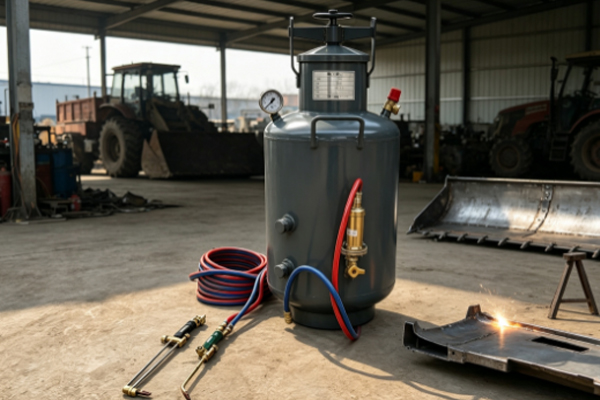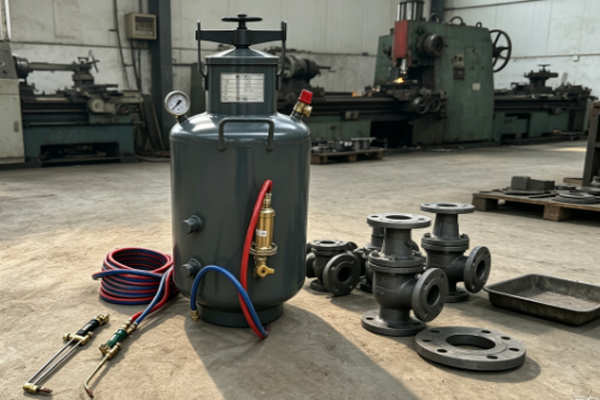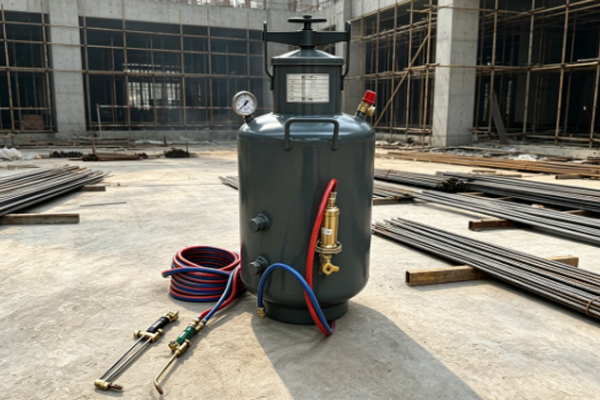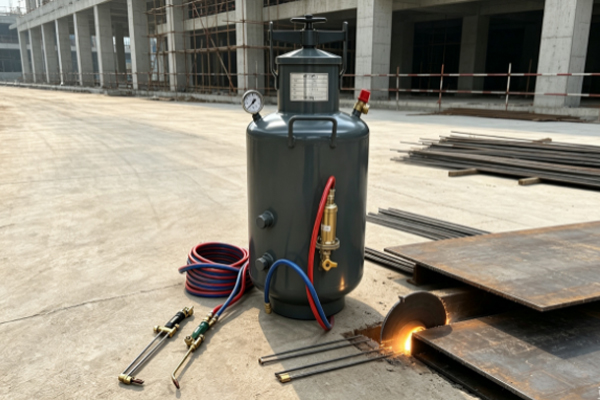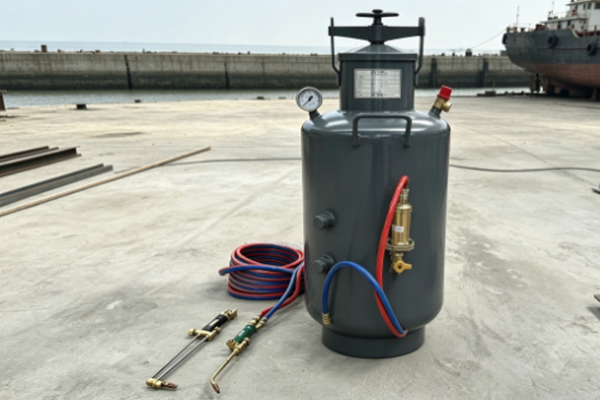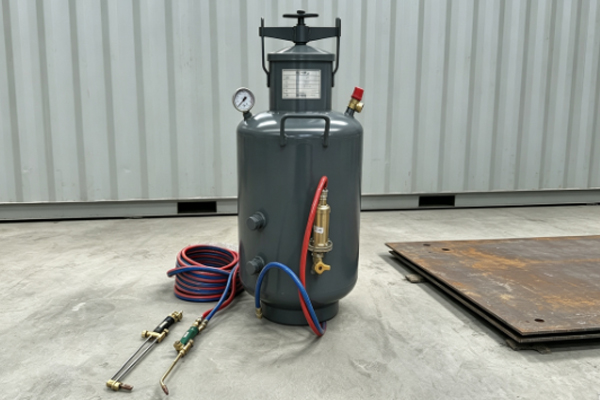
Once an acetylene storage tank has been installed, is it ready for immediate use? Not so fast. Even if the tank is in place and the piping is connected, several important details still need to be verified, including foundation stability, valve and safety accessory compatibility, and completion of required tests. For welding workshops, metal cutting facilities, and industrial plants, inadequate acceptance inspections can lead to rework, gas supply problems, or potential safety hazards. Acetylene storage tank installation acceptance is more than a sign-off procedure. It confirms that the equipment, supporting facilities, and site conditions meet the design requirements and applicable regulations. Checking the key items carefully helps prepare the system for safe commissioning.
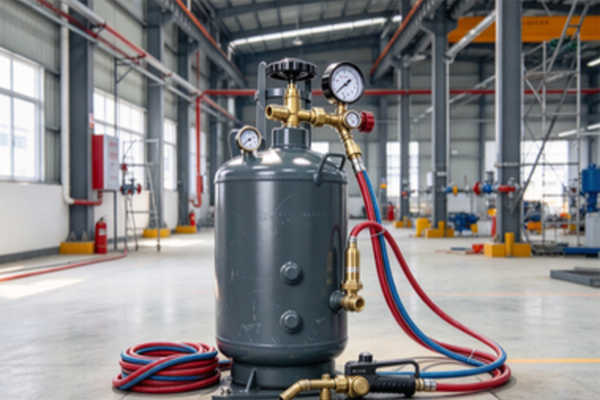
What Items Should Be Checked During Acetylene Storage Tank Installation Acceptance?
An acceptance inspection should cover more than the tank’s external condition. Equipment documentation, installation location, and completed construction work also need to be reviewed. The following items are commonly included in an inspection checklist, although the exact requirements depend on the equipment type, design documents, and applicable standards.
- Equipment documentation: Check the product conformity certificate, equipment nameplate, operating manual, and relevant technical documents to confirm that the model matches the design requirements.
- Tank exterior: Look for visible deformation, impact damage, unusual corrosion, or other signs of damage. Any concerns should be investigated before proceeding.
- Foundation and anchoring: Verify that the foundation, tank anchoring, and support structures comply with the design requirements, with no obvious looseness or abnormal tilting.
- Installation location: Confirm that ventilation, fire access routes, operating space, and maintenance access meet the applicable design and safety requirements. The surrounding area should remain clear of unnecessary materials.
Before the inspection, prepare a checklist suited to the specific equipment model and record each result. This makes handover between construction, technical, and operating personnel easier while reducing the chance of overlooking important details.
How Should Valves, Piping, and Safety Accessories Be Inspected After Installation?
An acceptable tank exterior does not automatically mean the entire gas supply system is ready for use. Valves, connecting pipes, pressure instruments, and safety accessories must also be checked, particularly to confirm that they match the approved system design.
| Inspection Item | Key Acceptance Criteria | Action if Problems Are Found |
| Valves and connections | Model, connection condition, and installation direction match the design | Have qualified personnel inspect and correct the issue |
| Gas supply piping | Pipe routing, supports, secure mounting, and impact protection | Verify installation quality and design compliance |
| Pressure instruments | Specifications, condition, and required calibration or verification records | Service or replace as required |
| Safety accessories | Configuration, model, serviceability, and supporting documentation | Do not commission until compliance is confirmed |
A quick visual check alone is not enough to complete acceptance. Leak-tightness tests, pressure-related tests, and safety accessory function checks must be carried out by appropriately qualified or competent professionals in accordance with the equipment documentation and applicable requirements. Do not dismantle pressurized components or use an open flame to check for leaks.
What Tests Are Required for Acetylene Storage Tank Installation Acceptance?
The tests required after installation depend on the equipment category, design specifications, and applicable safety regulations. Acceptance personnel should verify that all required tests have been completed, the results are acceptable, and the records are complete. Tests involving piping leak tightness, pressure, safety accessory functions, and system commissioning must be performed by qualified professionals using an approved procedure. Testing methods intended for other types of equipment should not be copied without confirming their suitability.
If a test reveals signs of leakage, abnormal pressure, or a malfunctioning safety accessory, stop the acceptance and commissioning process. Qualified personnel should identify the cause and complete the necessary corrective work. The affected items must then be rechecked as required, with the results documented. Do not skip required tests to meet production deadlines or put the system into service before the results have been confirmed.
What Should Be Prepared After Acetylene Storage Tank Installation Acceptance?
Passing the acceptance inspection involves more than obtaining a signed form. The handover process must also be completed properly. Equipment documentation, inspection records, test reports, and corrective action records should be filed as required for future maintenance, inspections, and traceability. Operators need to understand the equipment manual, normal operating procedures, and how to respond to abnormal conditions. If the tank uses dedicated accessories or connects to other gas supply equipment, responsibilities for routine inspections should also be clearly assigned. Any issues identified during acceptance must have documented corrective results rather than relying on verbal confirmation.
A thorough acetylene storage tank installation acceptance process helps support safer and more reliable operation. Whether you are installing equipment in a new workshop or upgrading an existing gas supply facility, confirm the equipment configuration, site conditions, and acceptance requirements in advance. This helps prevent problems such as missing documentation or incompatible components from being discovered after installation. If you are planning an acetylene storage tank installation, prepare the equipment model, intended application, site layout, and piping details so qualified professionals can help verify the installation and acceptance requirements and make the handover and commissioning process more efficient.