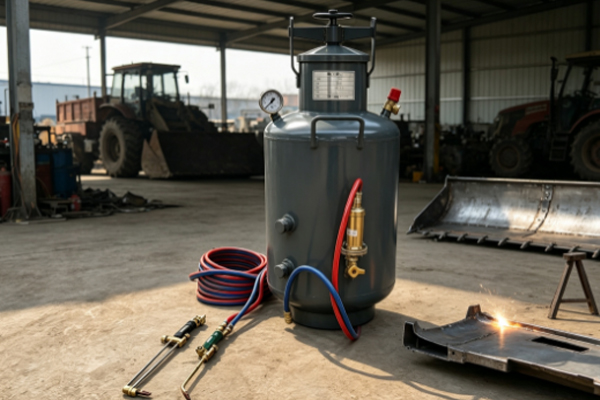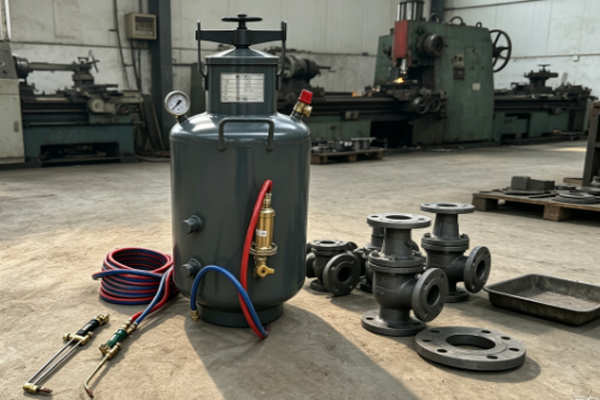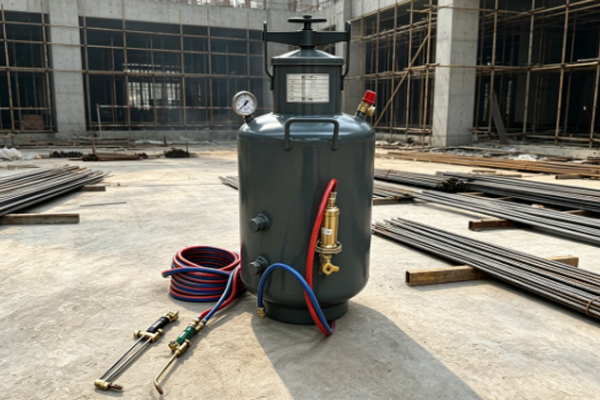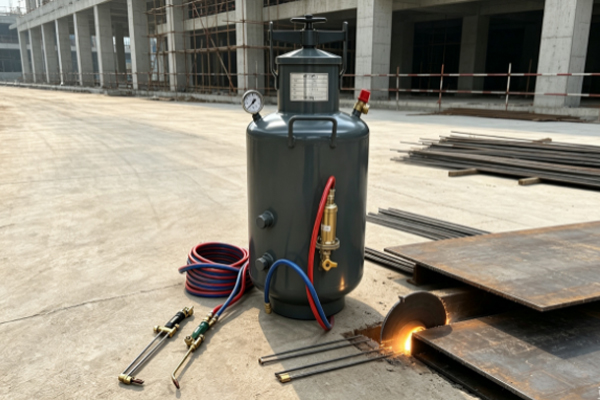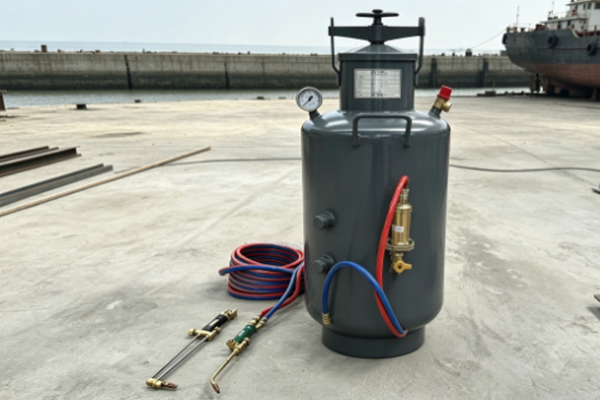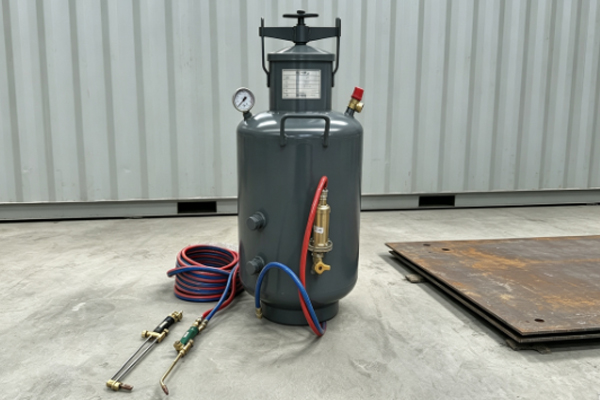
If an acetylene storage tank has been out of service for several months and your factory is ready to resume production, can you simply open the valve and start using it again? Not so fast. After sitting unused for a long time, valves may rust, pipe connections may deteriorate, and pressure gauges may develop problems. Equipment that looks fine on the outside may not operate properly when the gas supply resumes. This is especially important in welding and cutting workshops, where acetylene is a flammable gas. Before using an acetylene storage tank, you need to know what to inspect and which problems must be resolved before restarting the equipment.
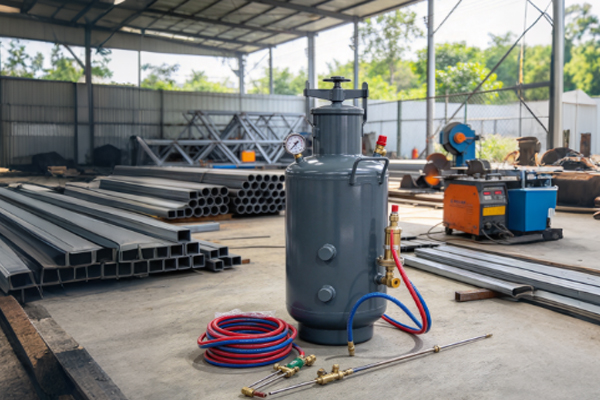
What Should You Check Before Restarting an Acetylene Storage Tank?
After a long shutdown, checking the exterior for visible damage is not enough. Have qualified professionals inspect the equipment and confirm that it is in a suitable condition before proceeding with the restart.
- Check the tank for damage. Look for rust, deformation, or visible impact damage. Do not use the equipment if anything appears abnormal.
- Review the equipment nameplate and inspection records to confirm its service status and whether any inspections or repairs are overdue.
- Inspect valves, fittings, and pipes for deterioration, corrosion, or obvious damage.
- Check pressure gauges and safety accessories to ensure their condition and inspection, calibration, or maintenance status meet the applicable requirements.
If the tank experienced leaks, abnormal pressure, or other faults before the shutdown, inform the inspection personnel. Do not resume the gas supply until previous problems have been properly investigated and resolved.
How Should You Check Valves and Piping Before Restarting an Acetylene Storage Tank?
Sometimes the tank itself is in good condition, but the valves or piping cause problems. Metal components may rust during storage in damp conditions, while piping that has been disconnected or reassembled may have unsuitable connections. That is why the entire gas supply line should be checked before the equipment is restarted.
| Inspection Item | What to Look For | Recommended Action |
| Valves and fittings | Rust, damage, or unusual odors | Suspend use and arrange a professional inspection |
| Gas supply piping | Damage, loose components, or abnormal supports | Check the piping condition and connection requirements |
| Pressure regulators | Damage or an unsuitable model | Have qualified personnel verify or replace the component |
| Pressure gauges | Damage or an unclear inspection status | Inspect, calibrate, or replace as required |
Do not judge the condition of the system simply by touching components or turning valves. Leak-tightness checks and other required tests must be performed by qualified personnel in accordance with the equipment instructions and applicable standards. Never apply pressure arbitrarily or use a lighter or other open flame to search for leaks.
Can You Open the Valve and Use an Acetylene Storage Tank After a Long Shutdown?
It is not advisable to open the valve and immediately resume the gas supply. Even if the tank looks fine externally, that does not guarantee that its internal condition, valves, and piping are suitable for operation. Qualified personnel should complete the necessary inspections and tests before restarting the equipment. If an inspection is overdue, a fault occurred before the shutdown, or the equipment’s service history is unclear, its suitability for continued use must be confirmed first. Do not rush the restart to meet production deadlines while inspections remain incomplete or problems are unresolved. Resume the gas supply only after the equipment and piping have been confirmed to be in an acceptable condition and operators understand the required procedures.
What Should You Pay Attention to After Restarting an Acetylene Storage Tank?
Restarting the equipment does not mean that problems cannot occur later. During the initial period after returning the tank to service, operators should pay close attention to gas supply stability. If anything unusual occurs, stop the relevant work and arrange a professional inspection.
- Monitor the pressure gauge and gas supply. If pressure changes suddenly or the supply becomes unstable, do not repeatedly operate the valve in an attempt to fix the problem.
- Take unusual odors seriously. Stop the relevant work and stay away from open flames and equipment that may generate sparks. If a leak is suspected, evacuate according to the site’s emergency procedures and contact qualified personnel.
- Keep records of inspections, repairs, and tests so that future maintenance personnel can review the equipment’s history.
- If valves, pipes, or other accessories were replaced during the shutdown, verify that the new components are compatible with the existing system.
Restarting an acetylene storage tank after a long shutdown is not just about getting production running again. Checking the tank, valves, piping, and safety accessories is essential before returning the equipment to service. If your factory plans to reuse an old tank or replace its accessories, prepare the tank model, shutdown duration, and records of previous problems. Qualified professionals can then determine which inspections are needed and whether any components require attention. Spending time on these checks now can help prevent unnecessary problems later.