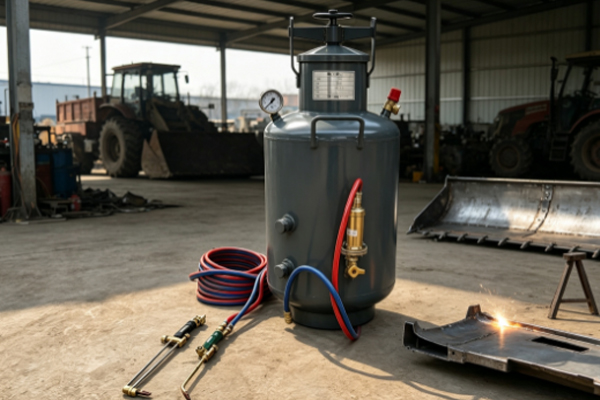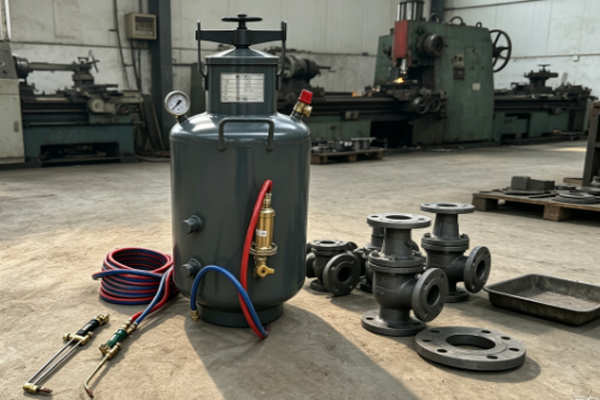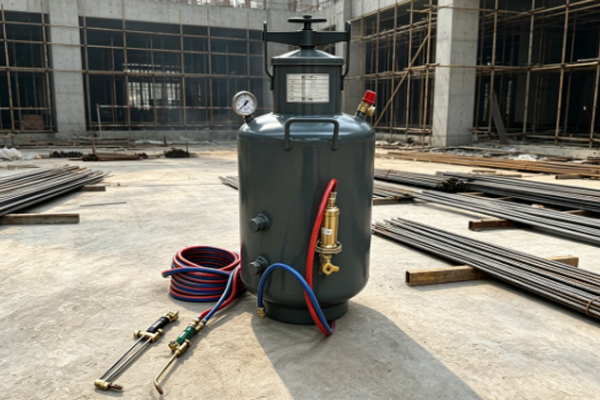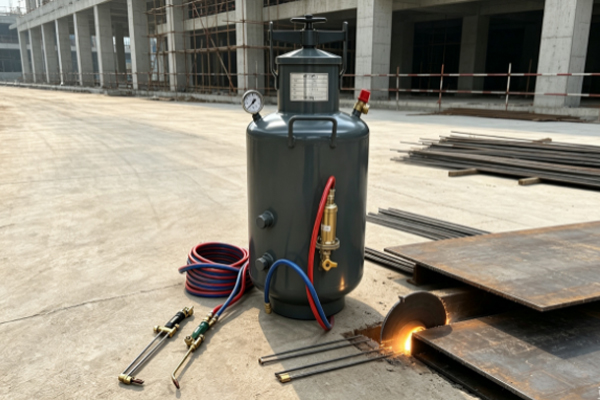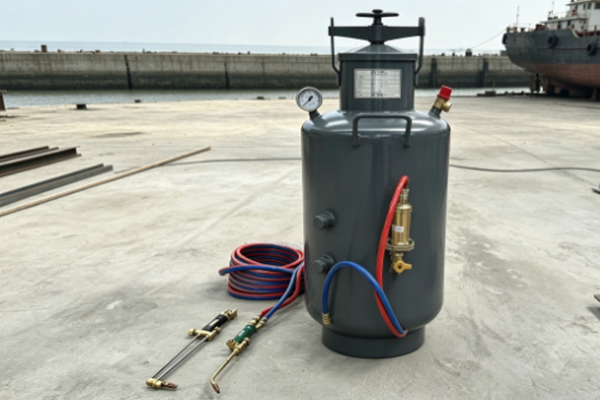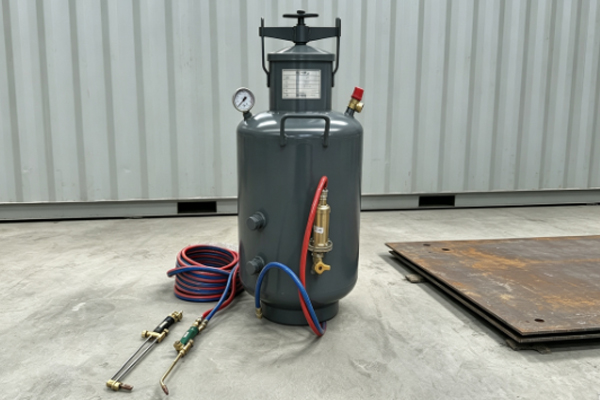
If you notice that an acetylene storage tank is getting hotter during operation, do not assume the temperature will drop on its own. In welding workshops, metal cutting plants, and factories with continuous production, abnormal heating can affect the gas supply and may indicate exposure to an external heat source or another condition requiring urgent attention. Acetylene is highly flammable, and certain abnormal conditions can also involve the risk of decomposition. This is not something to handle like an ordinary piece of overheated equipment. Stop the relevant work, move away from the danger area, and have qualified professionals assess the cause. Never keep operating the equipment just to meet production targets.
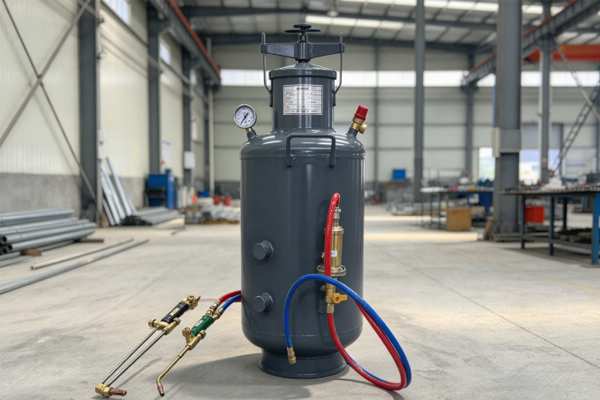
What Should You Do If an Acetylene Storage Tank Gets Too Hot?
When an acetylene storage tank shows signs of abnormal heating, the priority is to prevent the situation from becoming more dangerous, not to look for tools to cool it down. If the tank heats up suddenly, develops localized hot spots, or shows other unusual signs, follow the site’s emergency procedures immediately.
- Stop the relevant work: Do not continue welding, cutting, or other activities that could increase the risk.
- Stay away from flames and heat sources: Do not light anything, smoke, or operate equipment that could produce sparks near the tank.
- Notify the site supervisor and evacuate: If the tank is noticeably hot, the temperature continues to rise, or unusual noises or signs of leakage appear, move to a safe area immediately and contact emergency responders or qualified emergency personnel in accordance with site procedures.
- Do not dismantle or move the equipment yourself: If the cause is unclear, do not attempt to operate valves in an unsafe location, disconnect piping, or move an abnormally hot acetylene tank.
If acetylene decomposition, abnormal internal heating, or a fire hazard is suspected, do not attempt to cool or handle the equipment yourself. Qualified emergency personnel must determine the appropriate response. The absence of visible flames does not mean the equipment is safe.
Why Does an Acetylene Storage Tank Overheat? What Are the Common Causes?
A rise in acetylene storage tank temperature does not necessarily mean the tank itself has developed a fault. Environmental conditions, nearby heat sources, equipment condition, and problems in the gas supply system may all provide clues during an investigation. However, the cause should not be determined from appearance alone before a professional inspection.
- Hot weather or direct sunlight: Outdoor equipment exposed to high temperatures for extended periods may become noticeably warmer.
- Nearby welding or other heat sources: If the tank is close to hot machinery, flames, or hot-work areas, the heat exposure and required safety clearances need to be assessed.
- Abnormal equipment or accessories: If valves, piping, or other components show unusual heating, signs of leakage, or damage, stop the relevant work and have qualified personnel inspect them.
- Localized heating on the tank: Sudden temperature changes, distinct hot spots, or continued heating after work has stopped should not simply be blamed on the weather. Treat these signs as a potentially urgent abnormal condition.
Routine inspections can help identify changes in the environment and equipment condition, but they cannot replace professional assessment. If the temperature continues to rise, do not repeatedly approach the tank to check its temperature or try to locate a leak yourself.
How Can You Reduce Overheating Risks When Using an Acetylene Storage Tank?
Temperature management during acetylene storage tank use should not rely on occasional checks when the weather is cool. Equipment placement, nearby heat sources, ventilation, and routine inspections need to be planned in advance. Protective measures must meet the equipment design requirements and applicable safety regulations. Do not add enclosed structures that interfere with ventilation or access.
- Choose an appropriate installation location: Keep the equipment away from open flames, heat sources, and work areas that do not meet safety requirements. Maintain the required safety clearances.
- Provide suitable environmental protection: Outdoor equipment may need protection from direct sunlight and high temperatures, but shading structures must not obstruct ventilation, operation, or maintenance.
- Arrange routine inspections: Check the equipment exterior, valves, connecting pipes, and surrounding area for unusual conditions. Report any problems promptly.
- Leave maintenance to qualified personnel: Do not modify piping, dismantle safety accessories, or change the original equipment configuration yourself.
For factories with continuous production, include abnormal-temperature response procedures in the site’s operating instructions. Workers should know which activities to stop, where to evacuate, and whom to notify. Clear procedures help avoid delays when an emergency occurs.
Can You Continue Using an Acetylene Storage Tank After It Overheats?
An acetylene storage tank should not be considered safe for reuse simply because it no longer feels hot or its temperature has temporarily dropped. Qualified professionals must inspect the equipment, associated accessories, and gas supply system. Further testing may be required under applicable standards, and the cause of the abnormal heating must be properly addressed. If the tank has experienced significant heating, suspected decomposition, fire exposure, or another serious abnormal event, contact qualified emergency and equipment specialists for an assessment. Do not resume gas supply until safety has been explicitly confirmed.
If an acetylene storage tank overheats during use, the worst response is to keep production running, attempt a repair yourself, or restart the equipment as soon as it cools down. Stop the relevant work, evacuate the danger area, and contact qualified professionals. If your factory regularly deals with high outdoor temperatures, nearby heat sources, or unsuitable equipment layouts, consult an equipment specialist about tank selection, installation location, and supporting components. Planning the equipment and site conditions properly can help reduce the risk of production interruptions caused by abnormal heating.