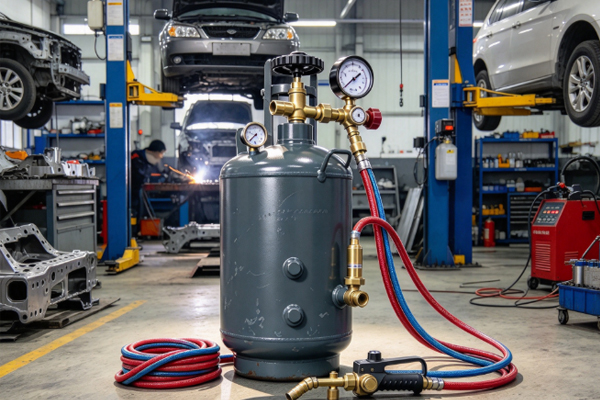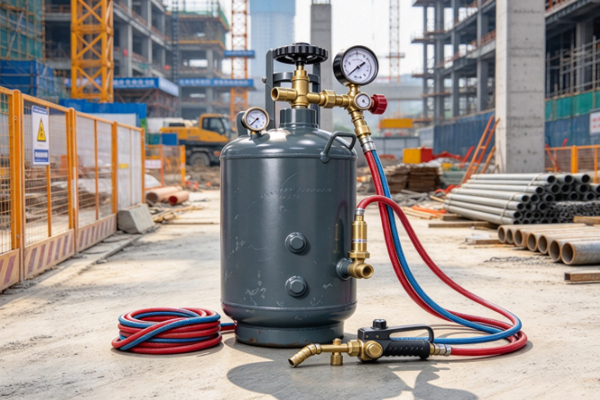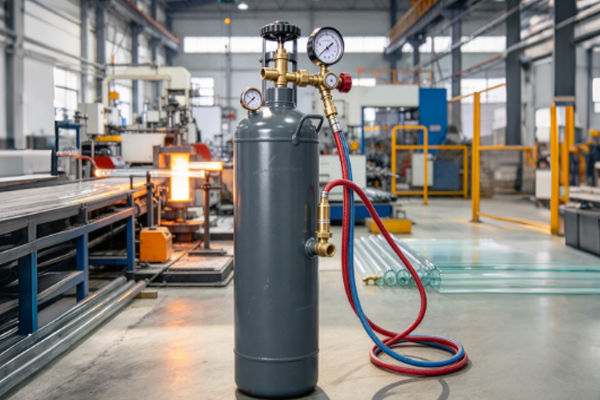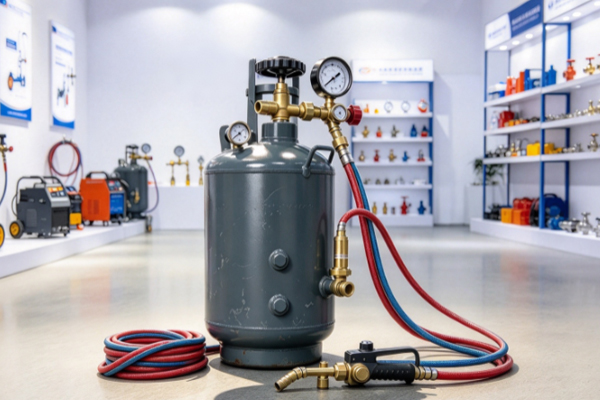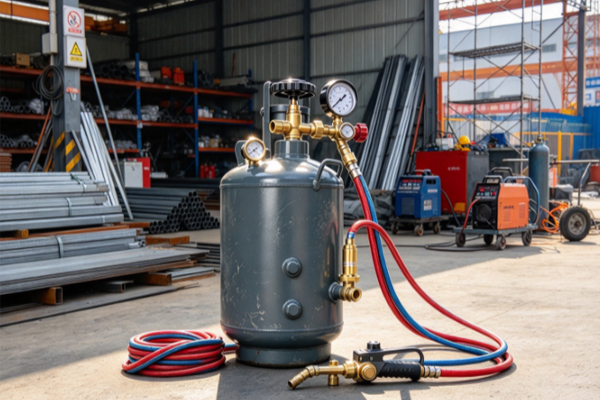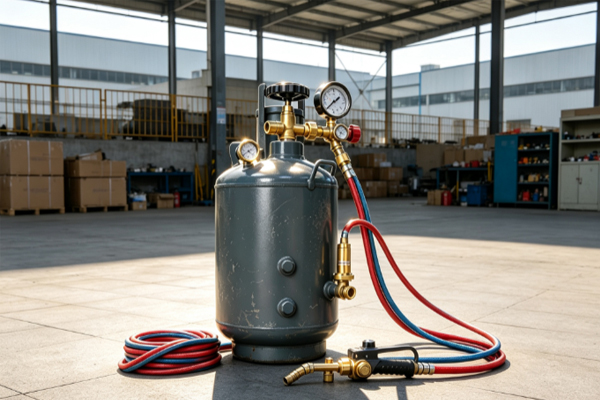
In industrial production and engineering applications, acetylene is an important fuel gas widely used in welding, cutting, metal processing, and equipment maintenance. When purchasing acetylene storage equipment, many companies find that acetylene storage tank sizes are not limited to a single specification but are available in various capacities and configurations. Why does the same type of gas storage equipment require different sizes? In reality, this is closely related to different gas consumption requirements, working environments, safety management standards, and transportation or installation conditions. Understanding why acetylene storage tank sizes vary can help companies select more suitable equipment, improve gas supply stability, and reduce long-term operating costs.
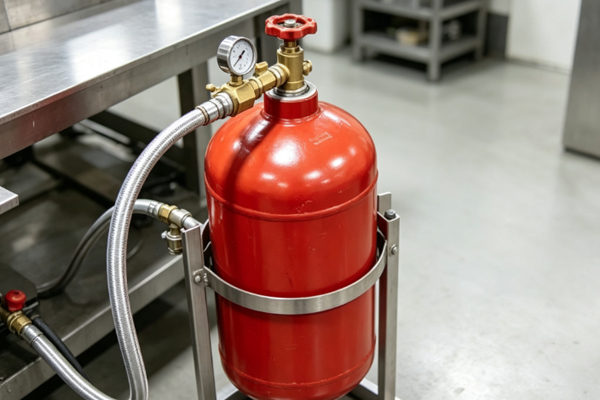
Different Gas Consumption Requirements Determine Acetylene Storage Tank Sizes
The main reason acetylene storage tanks come in different sizes is that gas consumption varies greatly among industries and businesses. Different production scales have different requirements for storage capacity, supply continuity, and equipment usage frequency, which requires various tank sizes to meet different applications:
- Small maintenance operations usually have lower gas consumption and are more suitable for small-capacity tanks that are easy to move, install, and use quickly
- Medium-sized welding workshops require continuous and stable gas supply, so medium-capacity tanks are commonly selected to support multiple workstations operating simultaneously
- Large industrial production lines require strong continuous supply capabilities and are more suitable for large-capacity tanks or centralized gas supply systems
By offering different size options, companies can select equipment based on actual production requirements, avoiding insufficient capacity that affects efficiency or oversized equipment that causes resource waste.
Different Applications Require Different Acetylene Storage Tank Specifications
Acetylene is used in a wide range of applications, from construction projects and mechanical manufacturing to maintenance work and large industrial production. Different working environments have different requirements for storage equipment. Therefore, acetylene storage tank sizes must be matched according to specific applications to achieve the best performance:
- Construction sites: Work locations often change, so transportation and mobility are important factors, making flexible tank options more suitable
- Metal processing factories: Welding and cutting operations are usually concentrated and require stable gas supply, often requiring higher-capacity configurations
- Welding maintenance industries: Operations are frequently carried out in different locations, requiring equipment with better mobility for on-site use
- Large manufacturing enterprises: Long production cycles and high gas consumption require larger storage capacity to maintain continuous operation
Different application characteristics determine that tank sizes cannot follow a single standard and must be adjusted according to actual working conditions.
Different Sizes Meet Different Safety Management Requirements
Acetylene is a flammable gas, and strict safety control is required during storage, transportation, and operation. Different acetylene storage tank sizes allow companies to configure equipment according to their working environment and safety management requirements:
- Small tanks are easier to manage in distributed operations and are suitable for temporary projects and mobile applications
- Medium-sized tanks are easier to standardize in management, allowing convenient inspection and maintenance
- Large tanks require more complete installation areas, safety protection systems, and management procedures
- Proper capacity selection helps avoid excessive storage and reduces safety management pressure on-site
The variety of acetylene storage tank sizes is not intended to make selection more complicated, but rather to allow different users to choose solutions that best fit their safety conditions.
Transportation and Installation Conditions Affect Tank Size Design
In addition to gas demand and safety considerations, transportation methods and installation environments are also important factors affecting acetylene storage tank sizes. When selecting tanks, companies should consider not only storage capacity but also whether the equipment is suitable for actual operating conditions:
- Remote construction areas require greater attention to transportation convenience to avoid difficulties caused by oversized equipment
- Workshops with limited space need compact tank designs that are easier to install
- Fixed production facilities can select larger-capacity equipment based on long-term gas demand
- Different installation methods influence tank layout and future maintenance convenience
Proper size design not only determines storage capability but also directly affects installation efficiency and daily operation experience.
How to Choose the Right Acetylene Storage Tank Size Based on Actual Needs?
When selecting from different acetylene storage tank specifications, companies should evaluate their actual production conditions rather than simply assuming that larger capacity is always better. A proper selection process should consider gas demand, working environment, safety requirements, and future development plans to ensure the tank meets current production needs while maintaining long-term efficiency:
- Determine capacity based on actual gas consumption: Companies should analyze daily acetylene consumption and peak demand periods to select the appropriate tank size. This avoids frequent refilling caused by insufficient capacity and prevents low utilization caused by oversized tanks.
- Choose tank specifications based on operation continuity: For long-term continuous welding and cutting operations, medium or large-capacity tanks with stronger storage capability are more suitable. For occasional maintenance or small-batch processing, smaller tanks usually provide better flexibility and cost efficiency.
- Match supply capacity with equipment quantity: The more welding or cutting equipment operating simultaneously, the higher the requirement for stable acetylene supply. Tank capacity should be selected according to the number of devices in use.
- Select tank size according to installation conditions: Companies should evaluate installation space, ventilation conditions, and transportation routes in advance to avoid installation difficulties caused by oversized tanks or maintenance problems caused by limited space.
- Reserve capacity for future development: If companies plan to expand production, they should consider future gas demand growth and select solutions with expansion capability to reduce additional costs from future equipment replacement.
Scientific selection of acetylene storage tank size not only ensures stable gas supply during production but also improves equipment utilization and reduces long-term operating pressure.
The reason acetylene storage tank sizes are available in multiple specifications is to meet the actual needs of different industries, production scales, and operating environments. When selecting a tank, companies should consider gas consumption, safety requirements, installation conditions, and future development plans rather than focusing only on capacity. Zhongcheng Gas Cylinde provides acetylene storage tank solutions in various specifications to help companies achieve safe, stable, and efficient industrial gas supply.