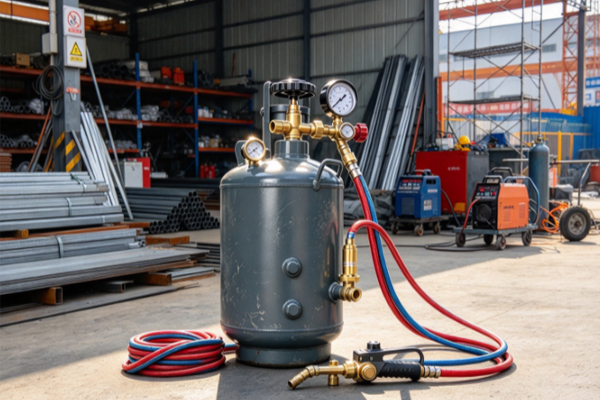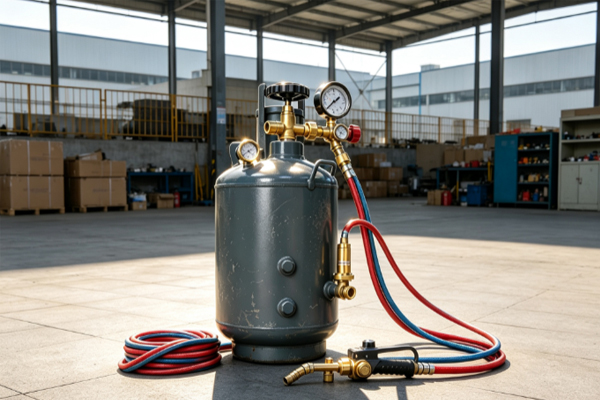
Acetylene cylinders are commonly used in welding, flame cutting, metal fabrication, and equipment maintenance. As the gas is gradually consumed, many users wonder whether an acetylene cylinder can be refilled and what conditions must be met before refilling. In general, acetylene cylinders that remain in good condition and pass the required inspections can be refilled according to applicable regulations and safety requirements. Since acetylene is a highly flammable gas and the cylinder contains porous filler material and acetone, improper refilling may affect both cylinder performance and operational safety. Understanding the requirements for refilling acetylene cylinders helps extend equipment service life while ensuring reliable gas supply for future welding and cutting operations.
The Working Principle of Refilling an Acetylene Cylinder
Unlike ordinary compressed gas cylinders, acetylene cylinders use dissolved acetylene storage technology. The cylinder contains porous filler material and acetone, allowing acetylene gas to remain safely dissolved under controlled conditions. After the gas has been used, the porous filler and acetone remain inside the cylinder, making it possible to refill the cylinder if it continues to meet applicable safety requirements.
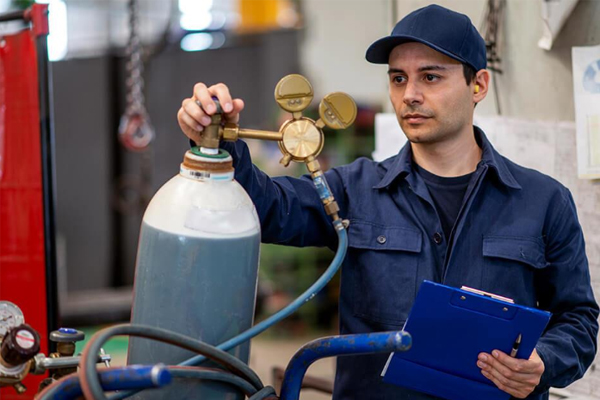
Refilling an acetylene cylinder involves much more than simply adding gas. The cylinder body, valve assembly, porous filler material, and acetone condition must all be inspected before refilling. Cylinders that have exceeded their inspection period or show damage, severe corrosion, or defective accessories should not be refilled until they meet the required standards. Proper inspection and controlled refilling procedures ensure that acetylene is stored safely and that the cylinder continues to deliver stable gas performance.
The Importance of Proper Acetylene Cylinder Refilling
Refilling qualified acetylene cylinders helps maximize equipment utilization while reducing unnecessary waste. For businesses that regularly perform welding, cutting, and metal fabrication, establishing standardized cylinder management procedures helps maintain a continuous gas supply and minimizes production interruptions.
Proper refilling also helps preserve the internal storage system of the cylinder, reducing the possibility of pressure instability, gas quality issues, or accessory damage caused by improper filling practices. Following established safety procedures improves equipment reliability and supports safe daily operations throughout the cylinder’s service life.
Requirements for Refilling an Acetylene Cylinder
Although acetylene cylinders can be refilled, every cylinder should be carefully inspected before each refill. Only cylinders that satisfy the required safety conditions should return to service.
The following items should be checked before refilling:
- Verify the inspection period:Confirm that the cylinder remains within its required inspection interval. Cylinders beyond the inspection date should be inspected before further use.
- Inspect the cylinder body:Check for cracks, dents, severe corrosion, deformation, or any damage that may affect safe operation.
- Examine the valve and accessories:Ensure that the cylinder valve, protective cap, and related accessories are complete, functional, and free from gas leakage.
- Confirm the condition of the internal storage system:Verify that the porous filler material and acetone remain in proper condition to safely store dissolved acetylene.
- Check cylinder identification markings:Make sure serial numbers, permanent markings, and identification information remain clear for future inspection and management.
Completing these inspections before refilling improves safety and helps maintain reliable cylinder performance.
Applications After Refilling an Acetylene Cylinder
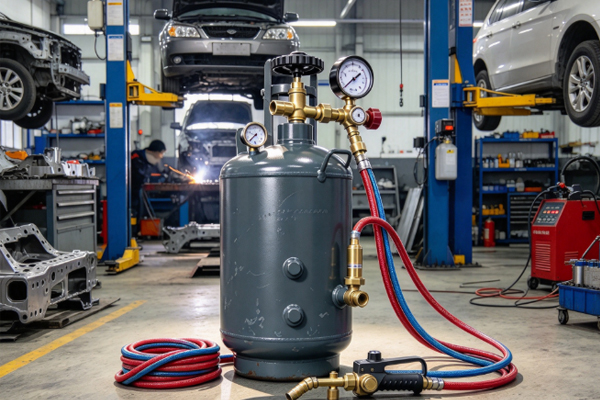
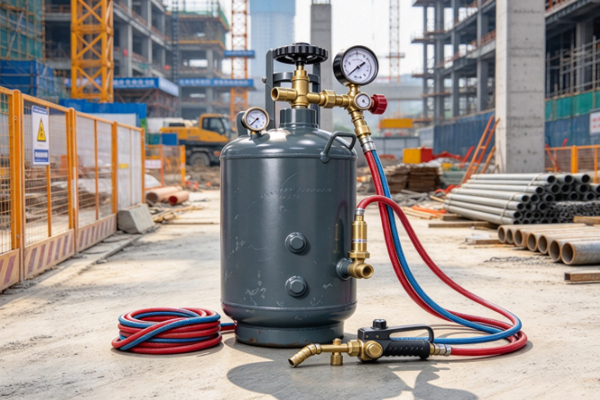
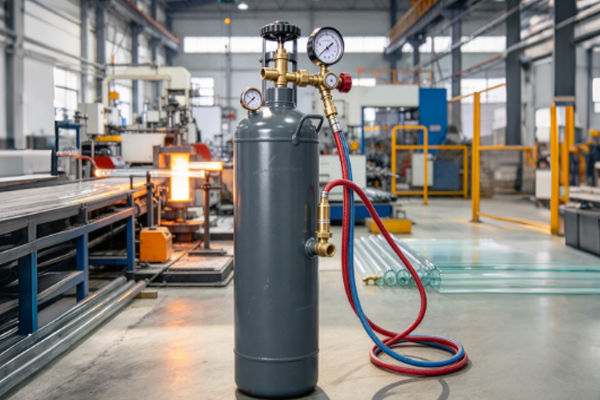
After passing inspection and being properly refilled, acetylene cylinders can continue to be used in machinery manufacturing, automotive repair, structural steel fabrication, shipbuilding, construction projects, and metal cutting operations. Manufacturing facilities with high gas consumption benefit from properly refilled cylinders because they help maintain continuous production while improving equipment utilization. Automotive repair shops and maintenance workshops also rely on inspected and refilled cylinders to provide stable flame performance during repair work. Construction sites and outdoor engineering projects require additional attention to transportation, storage, and cylinder positioning after refilling to ensure the gas supply system remains stable and safe throughout daily operations.
Daily Management After Refilling
Proper management remains essential after an acetylene cylinder has been refilled. Routine maintenance helps preserve equipment performance and extends cylinder service life.
Recommended management practices include:
- Maintain refill records:Record each refill date, inspection result, and usage history to support future equipment management.
- Inspect accessories regularly:Check pressure regulators, hoses, and connection fittings for signs of wear or damage and repair them when necessary.
- Store cylinders correctly:Keep cylinders in an upright position and away from heat sources, open flames, and damp environments.
- Follow proper transportation procedures:Use appropriate handling equipment and avoid impacts, rolling, or excessive vibration during transportation.
- Perform routine inspections:Regularly inspect the cylinder body, valve, pressure condition, and related components to ensure continued safe operation.
By combining qualified refilling procedures with proper management and routine maintenance, acetylene cylinders can continue providing a stable and reliable gas supply for welding, cutting, and industrial manufacturing applications while supporting long-term operational safety.