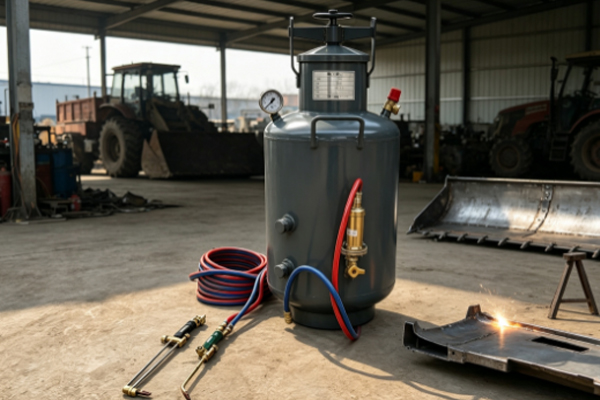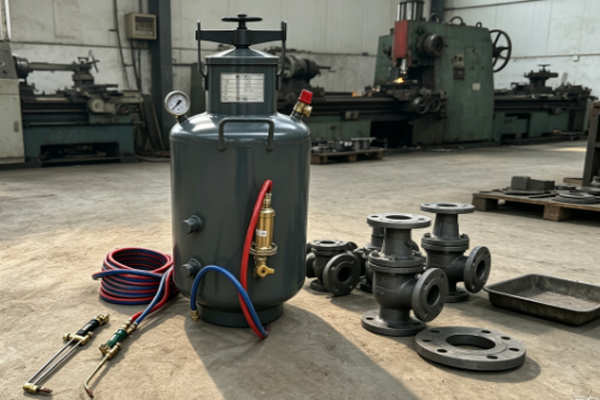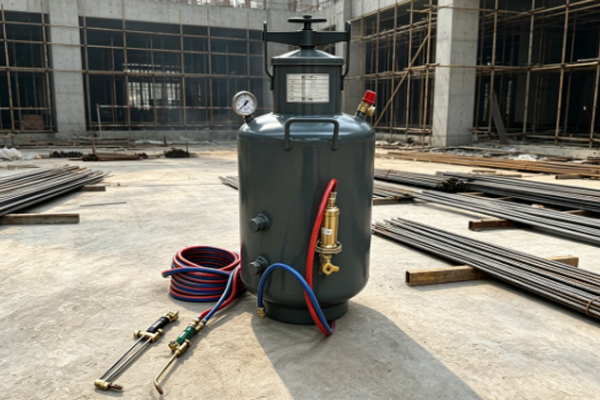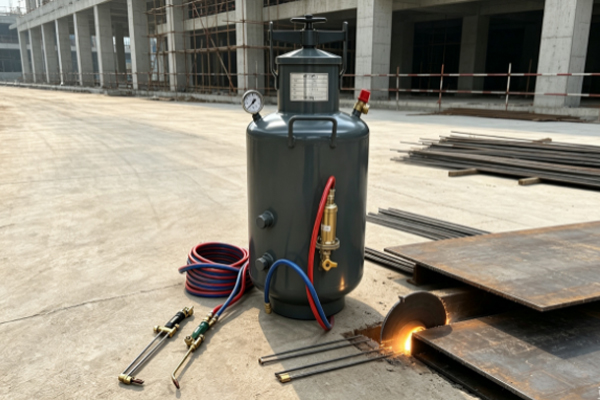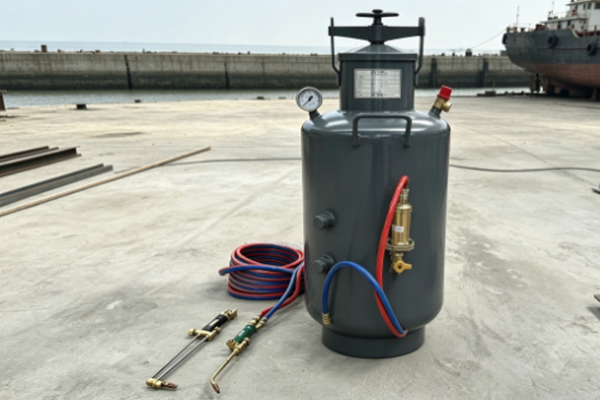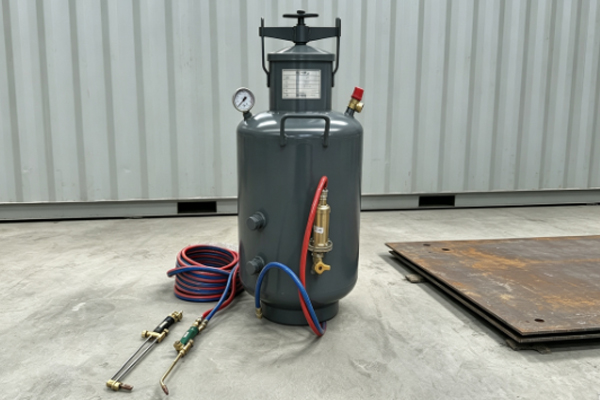
Are you in the middle of welding or cutting when your acetylene tank suddenly starts supplying less gas? The flame becomes smaller, cutting speed drops, and work may even come to a complete stop. This is not uncommon in factories and construction sites. Many people immediately assume that the tank is nearly empty, but there may be other reasons. Valve openings, blocked pipelines, faulty pressure regulators, equipment conditions, and changes in gas demand can all affect acetylene output. Identifying the actual cause helps prevent unnecessary equipment replacement and avoids delays during production.
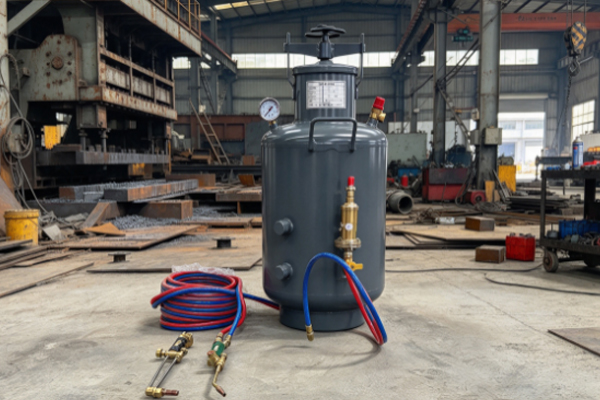
Why Is the Gas Output from an Acetylene Tank Decreasing?
A drop in acetylene output may be caused by insufficient gas remaining in the tank, or by problems with the gas supply lines and related accessories. If the same equipment used to provide a normal gas supply but has recently become noticeably weaker, check for the following possible causes:
- Low gas supply: Less usable acetylene remains in the tank, potentially affecting gas delivery.
- Valve problems: The valve may not be fully open or could have an internal fault.
- Blocked pipelines: Debris in pipes or filters may restrict gas flow.
- Pressure regulator problems: A malfunctioning regulator may result in insufficient outlet pressure.
Another issue that is easy to overlook is excessive gas demand. If the welding or cutting torch requires more gas than the current supply setup can provide, output may become insufficient. This can happen when additional workstations are connected or larger gas-consuming tools are introduced. A smaller flame does not automatically mean the acetylene tank is empty. Qualified professionals should inspect the supply equipment and the entire pipeline system before making a decision.
Which Parts Should Be Checked When an Acetylene Tank Has Low Gas Output?
If the gas supply becomes weaker, do not immediately dismantle the valve or adjust the pressure yourself. Stop the affected operation and record when the problem started, which equipment is being used, and the operating conditions. Qualified personnel can then carry out an inspection in accordance with the equipment manual. Common inspection points include:
- Tank condition: Look for visible damage or abnormal heating.
- Valve connections: Check for unusual conditions or connection problems.
- Pressure regulator: Verify its specifications and operating condition.
- Gas pipelines: Check for kinks, blockages, or damage.
- Gas-consuming equipment: Confirm that the welding or cutting torch matches the gas supply requirements.
If a leak is suspected, stop using the equipment immediately, stay away from flames and potential ignition sources, and follow the site’s emergency procedures. Never use an open flame to check for leaks or attempt to tighten or dismantle pipelines while they are pressurized. Inspections involving pressure, valves, and safety accessories must be handled by qualified personnel.
Does Low Acetylene Output Affect Welding and Cutting?
Yes. An unstable acetylene supply can change the flame condition, affecting welding quality and metal cutting efficiency. In factories that require continuous operation, insufficient gas output can interrupt production and force workers to stop repeatedly while waiting for replacement tanks. Large construction projects also need to consider the gas demand of several workstations operating at the same time.
When purchasing equipment, don’t focus only on the capacity of a single tank. Actual gas consumption, supply pressure, pipeline configuration, and continuous operating time are also important. Different acetylene tank specifications suit different applications. Determining gas requirements in advance can help prevent problems caused by an unsuitable equipment configuration.
How Can You Choose the Right Acetylene Supply Equipment to Prevent Low Gas Output?
If your project frequently experiences insufficient gas supply, repeated tank replacement, or transportation difficulties, it may be time to reconsider the gas supply setup. Traditional acetylene tanks are generally suitable for short-term projects with occasional gas consumption, especially when a filling station is nearby. They avoid the additional investment required for gas generation equipment. However, for factories and overseas infrastructure projects with high, continuous gas demand and no nearby acetylene filling station, a mobile acetylene generator may be a better option.
This equipment produces acetylene on-site through a chemical reaction between calcium carbide and water. It uses a water-displacement mechanism to regulate the reaction. When gas pressure rises, water moves into a separate storage tank and the reaction stops. As gas is consumed and pressure drops, water returns to the reaction chamber and gas production resumes. This reduces the need to repeatedly transport empty and full tanks. For suitable long-term projects, total operating costs may be reduced by approximately 40%–60%. Actual savings depend on equipment investment, carbide prices, and maintenance expenses.
A decrease in acetylene tank output does not necessarily mean the tank itself is faulty. The problem may also come from accessories, pipelines, or changes in gas demand. When purchasing equipment, check the tank specifications, actual gas requirements, and project duration in advance. We offer acetylene tanks in different specifications, as well as mobile acetylene generators for welding, cutting, and industrial gas supply applications. If you are looking for reliable acetylene supply equipment, share your application, estimated gas consumption, order quantity, and destination port with us. We can recommend suitable equipment based on your requirements and provide a quotation.