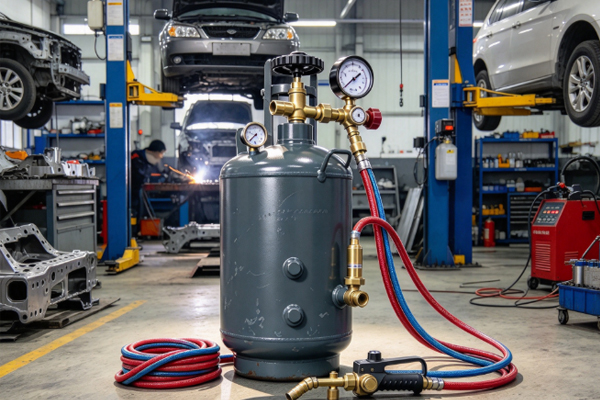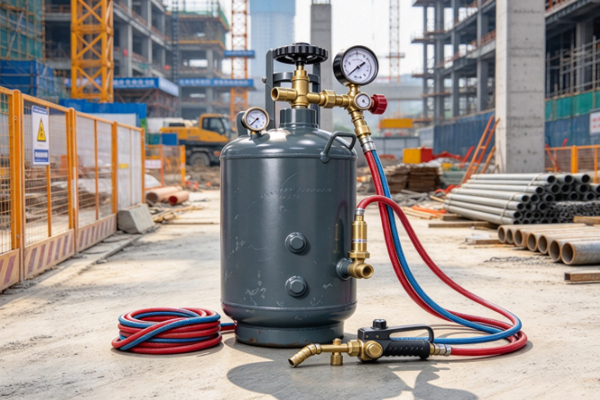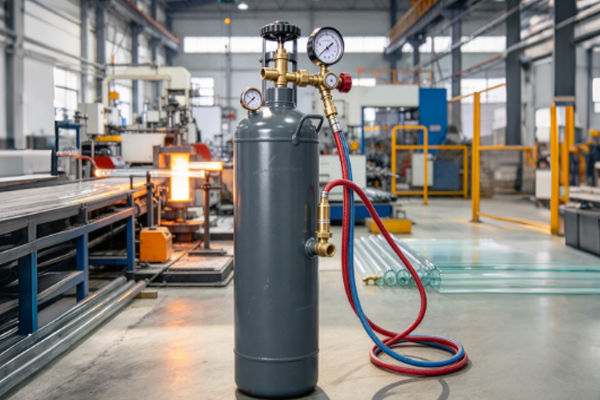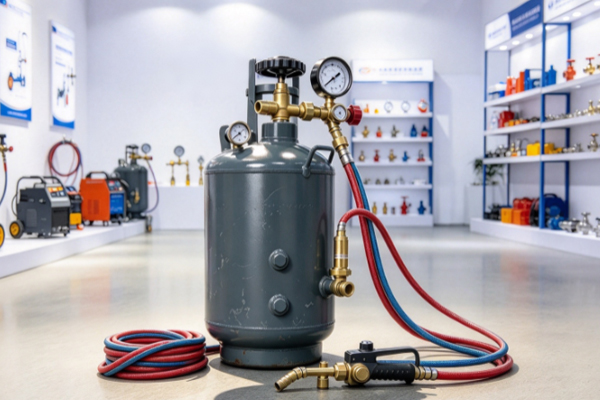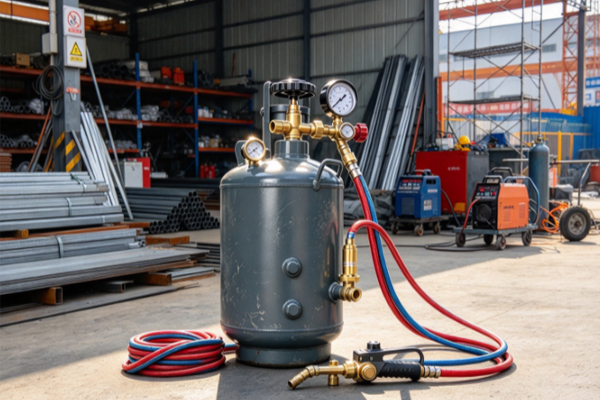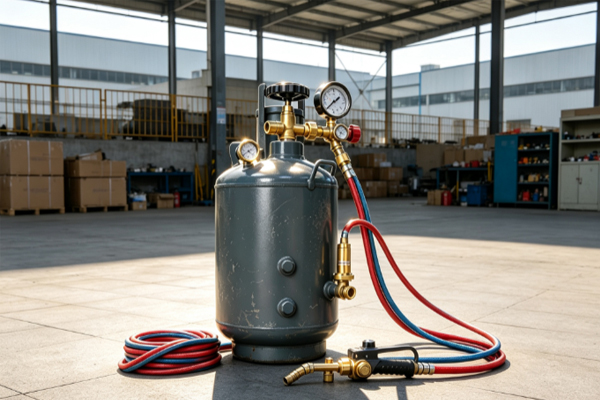
High-pressure acetylene cylinders are widely used in industrial welding, metal cutting, and steel structure construction, and are one of the key gas storage equipment used in on-site operations. From the outside, they do not look much different from ordinary steel cylinders, both being metal cylindrical structures. However, the internal design and safety requirements are far more stringent. They are required to safely and stably store flammable gas under high-pressure conditions for long periods, which places extremely high demands on overall performance. The price differences in the market are closely related to multiple factors such as material selection, manufacturing processes, safety design, and inspection standards. Different production standards and process levels directly affect operational stability and safety performance. Together, these factors determine the overall cost level of the product and the price differences in the market.
Material Cost and Structural Requirements
The reason high-pressure acetylene cylinders are relatively expensive starts with extremely strict material selection. Ordinary steel cannot meet the long-term storage requirements of acetylene in terms of pressure resistance and corrosion resistance, so high-strength seamless steel pipes or special alloy steel must be used for overall forming. The cost of such steel is already higher at the procurement stage, and the smelting process requires strict impurity control, making production more difficult. In addition, raw materials must undergo multiple rounds of quality screening and testing, further increasing the overall cost.
Safety Design and Explosion-Proof Structure
Acetylene is a high-risk flammable gas. Under high-pressure conditions, without a stable structure, there is a risk of decomposition or explosion. Therefore, porous filling materials are usually added inside the cylinder to disperse gas pressure and prevent internal impact. Although this design seems simple, it places strict requirements on material density, pore structure, and filling uniformity. During manufacturing, multiple filling and calibration processes are required, which not only complicates the workflow but also increases labor and equipment costs, naturally raising the overall price.
Production Process and Machining Precision
During production, high-pressure acetylene cylinders must go through multiple complex processes, including thermal forming, spinning, heat treatment, and multiple pressure tests. Each step must ensure uniform wall thickness and structural stability of the cylinder body; otherwise, local stress concentration may occur under high-pressure use. In particular, the forming stage requires high-precision equipment to control deformation range, which places very high demands on the production line. The entire processing cycle is long, and yield rate control is strict, which naturally increases production costs.
Testing Standards and Certification Costs
Before leaving the factory, acetylene cylinders must undergo strict testing, including hydrostatic testing, airtightness testing, and pressure cycle testing. These processes are not only time-consuming but also require professional equipment. At the same time, different countries and industries have different safety standards for cylinders; for example, industrial-grade and export-grade products have stricter requirements. Companies also need to pay certification fees and periodic re-inspection costs during the certification process. These additional investments are ultimately reflected in the final selling price, making the product more expensive overall.
Frequently Asked Questions
Why is there a significant price difference for cylinders of the same specification?
Acetylene cylinders with the same capacity and appearance often have large price differences in the market, mainly due to differences in manufacturing standards. Some manufacturers use higher-grade steel and implement complete inspection processes, while some low-cost products may reduce the number of tests or material grades. In addition, differences in internal filling structure quality also affect cost, resulting in obvious price stratification.
Are higher-priced cylinders safer?
Higher-priced acetylene cylinders usually follow stricter production standards and invest more in material strength and safety testing, resulting in better stability during long-term use. However, safety still depends on whether the product complies with official standards rather than price alone. A comprehensive judgment should be made based on certification marks and usage environment.
Usage Performance of High-Pressure Acetylene Cylinders
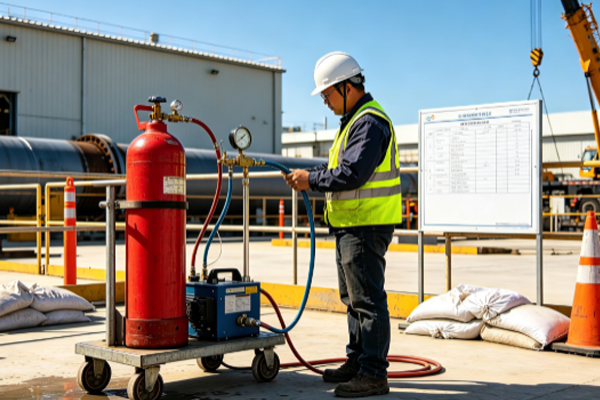
In steel structure processing workshops or large construction sites, high-pressure acetylene cylinders are commonly used for continuous cutting and welding operations, which require very high gas output stability. If pressure fluctuations or structural instability occur during use, it will directly affect cutting quality and may even cause safety hazards. Therefore, enterprises tend to choose high-standard cylinders when purchasing. Although the unit price is higher, they can reduce equipment downtime and improve overall construction efficiency, making them more economical from a long-term usage perspective.
The relatively high price of high-pressure acetylene cylinders is not simply a market premium, but the result of multiple cost factors combined. From the selection of high-strength steel materials, to the internal explosion-proof filling structure design, and then to complex processing techniques and strict testing procedures, each step increases manufacturing difficulty and cost input. These costs are ultimately reflected in the product price. In the industrial sector, the value of such cylinders lies more in safety and stability rather than the purchase price itself.