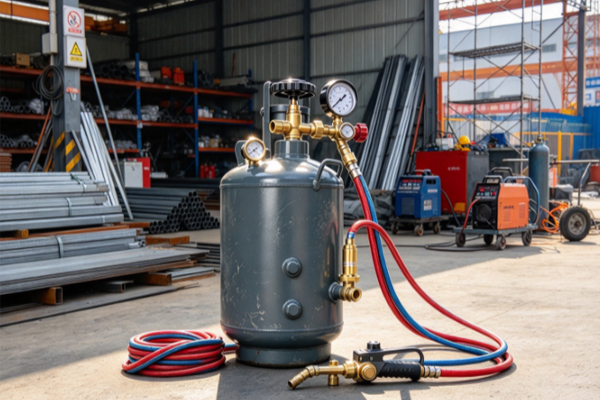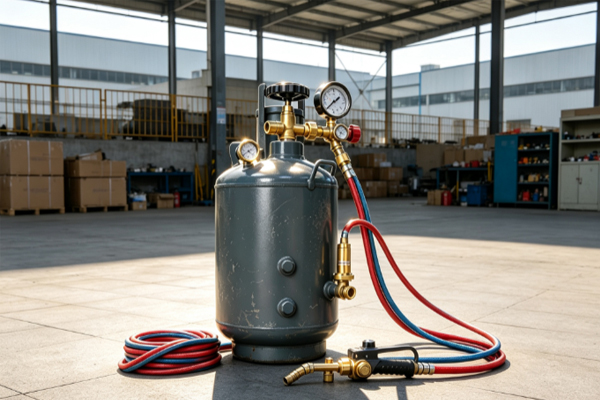
In industrial gas supply systems, acetylene is widely used in metal processing, machinery manufacturing, and maintenance industries due to its high combustion temperature and stable welding performance. As a key storage device, the acetylene storage tank plays a decisive role in supply capacity, operational safety, and overall efficiency. Different specifications correspond to different application scenarios. Improper selection may lead to insufficient gas supply, wasted space, or even safety risks. Therefore, understanding common size specifications and their suitable applications is essential for procurement and operational planning.
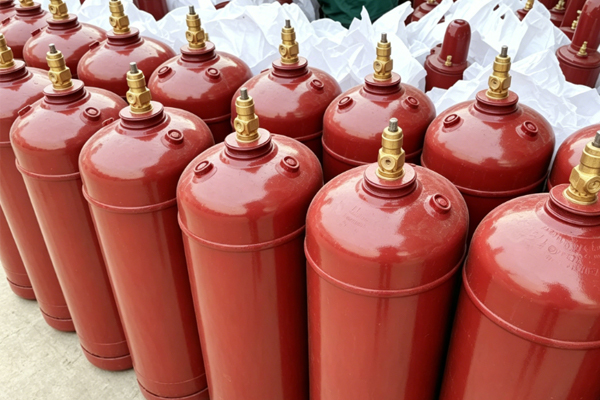
Common Size Classifications of Acetylene Storage Tanks
In industrial practice, acetylene storage tanks are generally classified by capacity and structure:
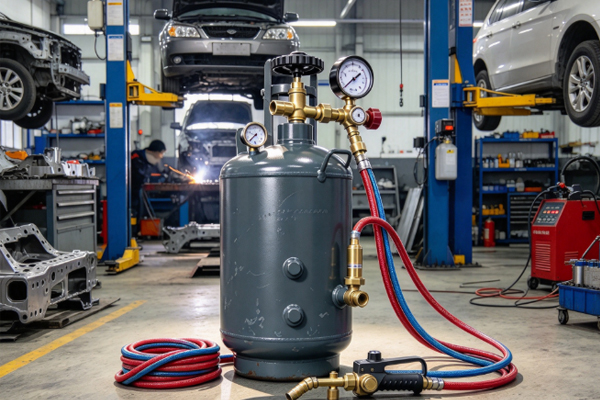
- Small tanks (40L–80L cylinders): commonly used in maintenance workshops, laboratories, and small welding tasks; easy to transport and replace
- Medium systems (100L–500L): suitable for medium-scale production lines with more stable gas demand
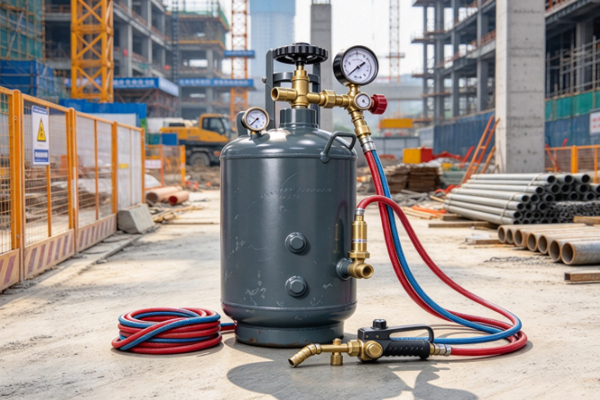
- Large industrial systems (500L to several thousand liters): used in continuous production environments such as shipbuilding and steel structure factories
Overall, larger acetylene storage tanks provide stronger supply continuity but also require more installation space and stricter safety management.
Application Scenarios for Different Tank Sizes
The selection of acetylene storage tanks mainly depends on matching the usage scenario:
- Small-scale applications:Such as hardware repair shops, auto repair centers, and small workshops. These environments require flexible movement and low usage frequency, making small tanks more suitable
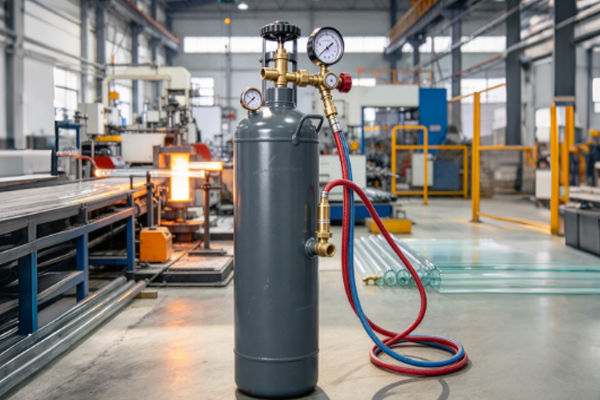
- Medium production environments:Such as metal processing and machinery manufacturing plants, where stable gas supply is important. Medium tanks or combined systems are commonly used to reduce replacement frequency
- Large industrial facilities:Such as steel structure plants and shipyards, which require continuous high-volume gas supply. Large storage tanks or centralized supply systems are preferred
The core logic is balancing convenience, stability, and cost efficiency.
Key Factors Affecting Size Selection
In practical procurement, tank size selection depends on more than just industry type:
- Peak gas demand and duration: higher peak usage requires larger capacity
- Factory space layout: installation height and ventilation conditions limit size options
- Safety regulations: compliance with pressure vessel and explosion-proof standards is required
- Gas supply design: centralized or point supply systems affect configuration
- Transportation and handling needs: frequent mobility may require smaller tanks
These factors together determine the optimal acetylene storage tank specification.
Selection Recommendations and Optimization
In real applications, improper planning often leads to mismatched tank sizes:
- Prioritize production load analysis rather than simply choosing the largest capacity
- Small and medium enterprises may benefit from modular tank combinations for flexibility
- Large factories are recommended to adopt centralized gas supply systems to reduce operational costs
- Regular inspection of pressure levels and safety devices ensures long-term stable operation
Proper selection not only improves efficiency but also reduces long-term operating costs and safety risks.
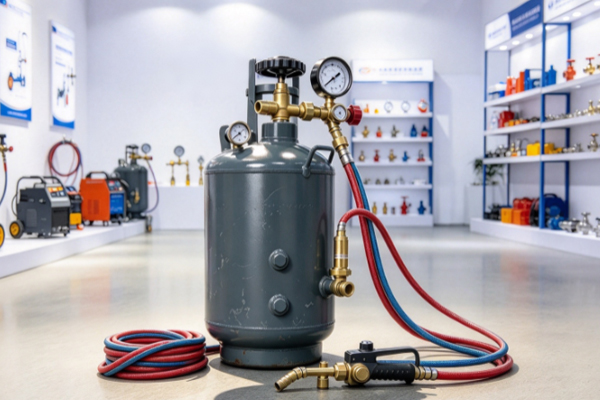
The size specifications of acetylene storage tanks are closely linked to their application scenarios. Only by scientifically matching real production needs can their performance and safety advantages be fully realized. Zhongcheng Gas Cylinde provides multi-specification acetylene storage tank solutions to meet stable gas supply requirements across various industrial applications.