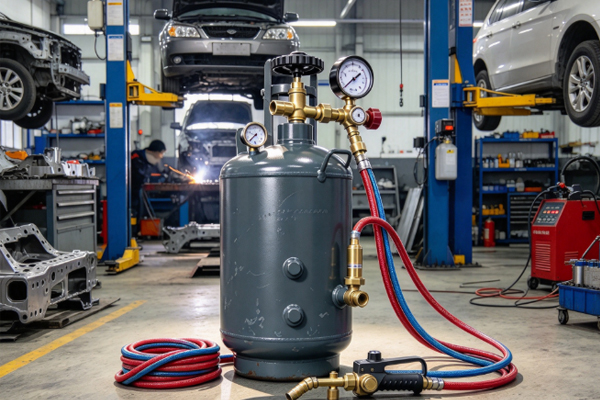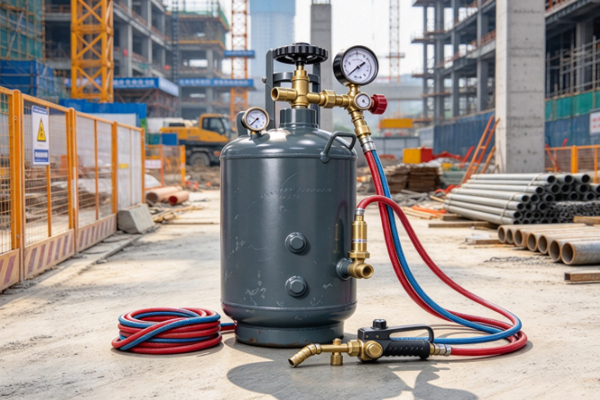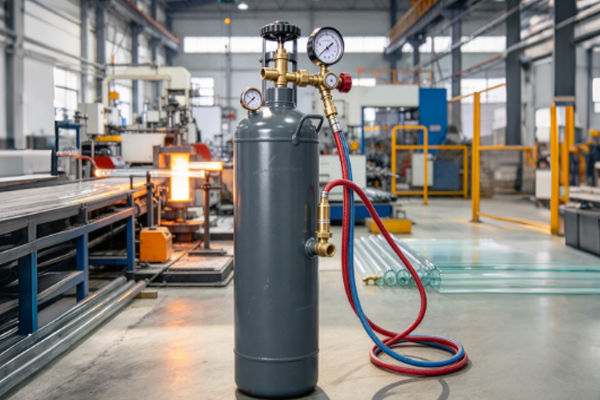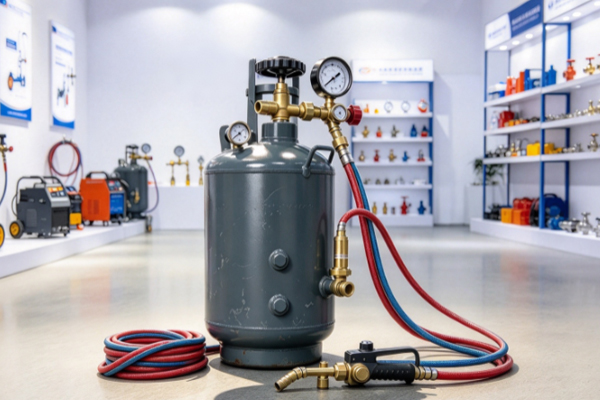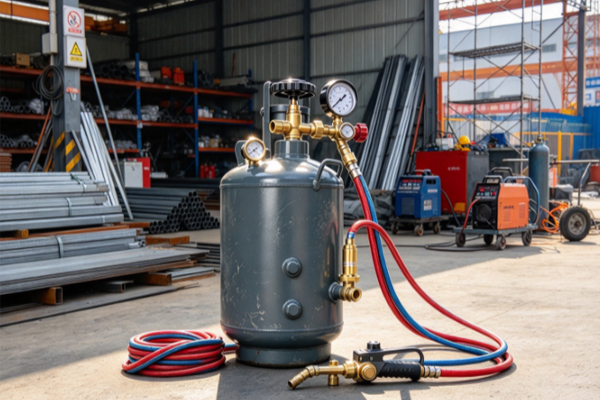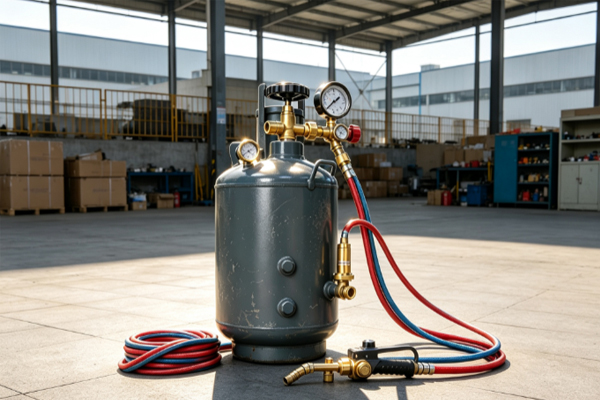
Acetylene tanks are widely used in industrial fields such as metal cutting, welding, equipment repair, and scrap dismantling, making them a common and important gas supply device on production sites. Many users assume that once the equipment has been installed and the piping connected, it can be put into operation right away. In reality, installation is only one step in the overall process. Before formal use, the sealing condition, pressure status, safety accessories, and site environment still need to be systematically checked. Only after standardized inspection and acceptance can the acetylene gas supply system maintain a stable, safe, and controllable operating state while minimizing hidden risks during later use.
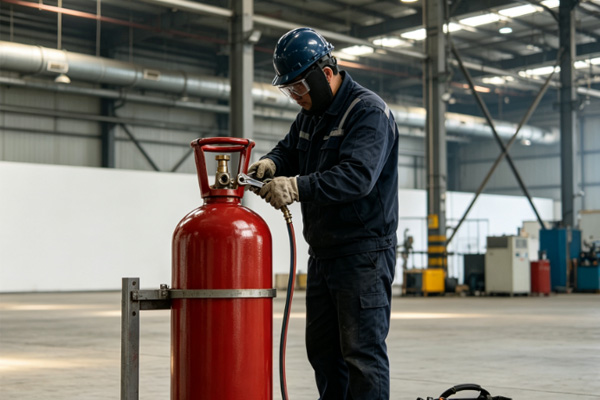
Why Can’t It Be Used Directly After Installation?
Finishing installation does not mean the entire gas supply system has reached operating conditions. Multiple aspects still need to be verified.
The Piping Connections Need to Be Checked Again
Even when installation is carried out properly, issues that are difficult to detect with the naked eye may still remain due to interface stress, slight deviations in sealing parts, or uneven tightening force.
- Check whether each connection is firmly secured to avoid loosening, detachment, or slight leakage during operation
- Confirm that sealing parts are installed in place so every connection point can form a stable and reliable sealing effect
- Inspect whether the hose is twisted, compressed, or bent to prevent increased gas flow resistance or localized damage during transport
The more thoroughly the details are checked, the higher the system stability will be during later operation.
Safety Devices Must Be Confirmed to Work Properly
An acetylene system relies on multiple safety components working together. If any one part is not in place, the overall protection effect may be affected.
- Check whether the flashback arrestor is installed in the correct direction so that dangerous flame backflow can be blocked in time
- Confirm whether the pressure regulator is functioning normally to ensure the output pressure always remains within the allowable range of the equipment
- Verify whether the safety valve meets requirements to prevent the system from losing necessary pressure relief protection in the event of abnormal pressure rise
Proper operation of safety devices is an essential condition for formal commissioning and an indispensable step in site safety management.
What Checks Are Needed Before Formal Use?
System acceptance should not focus only on the equipment itself, but also on the overall operating condition. Site environment, connection quality, and safety devices must all be evaluated together.
Sealing Test
Confirming that the gas supply system has no leakage risk is the most basic and critical task before commissioning.
- Check whether any gas leakage signs exist at all connection points, especially around valves, fittings, and hose joints
- Test whether valve sealing performance remains stable to ensure no continuous leakage occurs in the closed state
- Inspect the gas delivery pipeline for leaks to prevent minor leakage from gradually escalating into a larger risk during later operation
After sealing inspection is completed, the system will be more reliable and safer to use on site.
Pressure Test
Supply pressure directly affects equipment performance. Unstable pressure often leads to flame fluctuation, uneven cutting, or reduced welding quality.
- Check whether the pressure output is stable and observe whether the equipment can maintain continuous and steady gas supply under different operating conditions
- Observe the performance of the pressure reduction system to confirm whether pressure adjustment is sensitive, responsive, and within the required range
- Verify the pressure-bearing capacity of the entire system to ensure no failure or damage occurs due to abnormal pressure during actual use
Stable pressure helps ensure welding and cutting quality while also making equipment operation smoother.
Ignition Trial Run
A short trial run before formal operation helps operators judge the system condition more intuitively.
- Check whether the flame burns evenly and stably to avoid excessive fluctuation or incomplete combustion
- Observe whether gas supply remains continuous and confirm there is no obvious interruption or fluctuation during ignition and sustained operation
- Verify whether the equipment runs smoothly and determine whether there are abnormal vibrations, unusual noises, or rapid pressure changes
The trial run can reveal potential problems in advance and provide a more reliable basis for formal production.
Differences Between Direct Use After Installation and Standard Acceptance
Different usage methods have a significant impact on system safety and equipment lifespan. Putting the system into use only after standardized acceptance can greatly reduce hidden risks.
Direct Use After Installation
This approach may seem time-saving, but it carries many hidden dangers, especially in high-frequency and high-intensity working environments where problems are more likely to surface.
- Minor leaks are easily overlooked, causing gas loss or even safety risks at the beginning of operation
- The operating condition of the equipment is not verified, so many hidden issues only appear gradually after formal work begins
- The probability of later failures is higher, and once abnormalities occur, production progress and site safety are often affected
Standard inspection and complete testing can effectively reduce risks and ensure long-term stable operation of the equipment.
Use After Basic Inspection
Putting the equipment into use after simple inspection can reduce risks to some extent, but it still cannot replace full acceptance. It can only identify surface issues such as loose joints, obvious gas leakage, or incorrect installation direction, and it also gives operators a preliminary understanding of the equipment condition. However, insufficient pressure resistance, internal wear, or hidden problems that appear later may still be missed. Only after standardized acceptance can the acetylene tank operate more safely and stably.
Use After Standardized Acceptance
This is the more reliable commissioning method and the one more commonly recommended in industrial settings.
- Sealing condition, pressure values, and safety devices are all confirmed, making the system status clearer and more controllable
- Operating fluctuations are reduced, and the equipment performs more stably in cutting, welding, and other working conditions
- Equipment service life is better protected, reducing additional losses and maintenance costs caused by early hidden defects
Putting the system into use only after standardized acceptance allows the acetylene tank to operate more safely and stably.
Continuous Operation with Regular Reinspection
During long-term use, reinspection is equally important and should not be limited to the installation stage.
- Wear and aging can be detected in time, preventing small issues from gradually developing into major failures during long-term operation
- The gas supply system remains stable, allowing the equipment to maintain good condition across different shifts and operating scenarios
- The risk of sudden failures is reduced, lowering the likelihood of downtime, rework, and site safety incidents
Standard acceptance can effectively improve the overall operating quality of the gas supply system, while continuous reinspection is the key to maintaining that quality.
How to Properly Complete the Commissioning Process for an Acetylene Tank?
Establishing a standard process can improve overall management and provide a clearer basis for later maintenance.
Create an Installation Acceptance Checklist
The pre-commissioning acceptance work can focus on equipment integrity, safety accessory configuration, and installation quality. Confirm that the cylinder, valves, piping, and related accessories are in usable condition, that protective devices such as flashback arrestors and pressure regulators are complete and effective, and that the connections are standardized, firmly fixed, and reasonably arranged. Only after these checks are completed can the system enter formal use more safely.
Establish a Trial Operation System
Before formal use, the following steps can be used to complete the trial operation inspection and make the equipment condition more transparent.
- No-load operation test to observe pressure changes and gas supply performance under unloaded conditions
- Ignition trial observation to check flame condition, gas continuity, and whether the equipment responds normally
- Record operating data so that every abnormal condition and adjustment result during trial operation is preserved
This allows a more comprehensive confirmation of the equipment condition and provides a basis for stable operation later on.
Improve the Daily Inspection Mechanism
Once the acetylene tank is in use, daily inspection should not be neglected, especially in high-frequency usage scenarios.
- Regularly check pressure changes to detect gas supply abnormalities or fluctuations in the pressure reduction system in time
- Inspect valve sealing condition to avoid deterioration in sealing performance caused by long-term use
- Review accessory wear to replace aging parts in advance and reduce the occurrence of sudden failures
Continuous maintenance helps keep the system stable and ensures the equipment remains in a safer working condition.
An acetylene tank is not ready for immediate use simply because installation is complete. Standard sealing inspection, pressure testing, trial operation, and on-site acceptance are all indispensable steps. A complete commissioning process not only improves the stability of the gas supply system, but also helps reduce equipment failure rates and safety risks, providing reliable support for continuous production. Zhongcheng Gas Tank offers professional acetylene tanks and industrial gas supply solutions, creating a safer and more efficient gas usage experience for industrial users of all kinds.