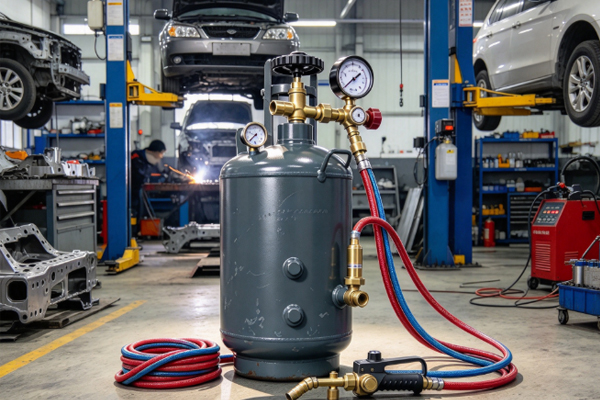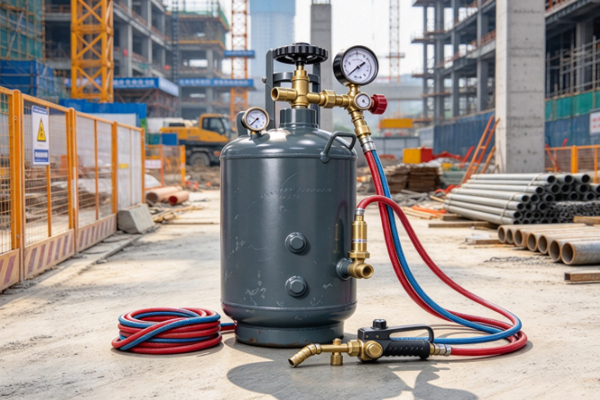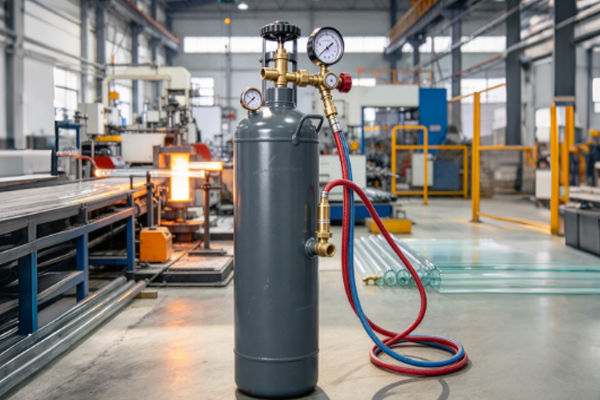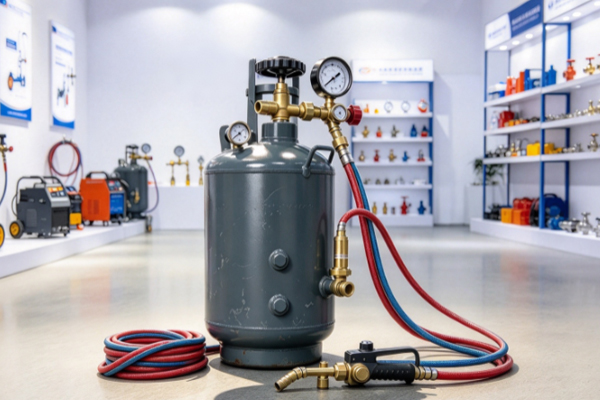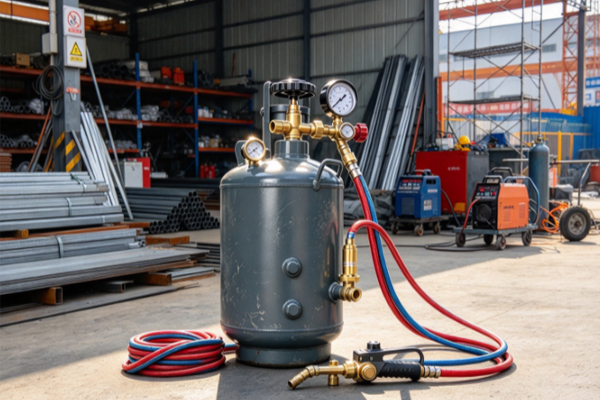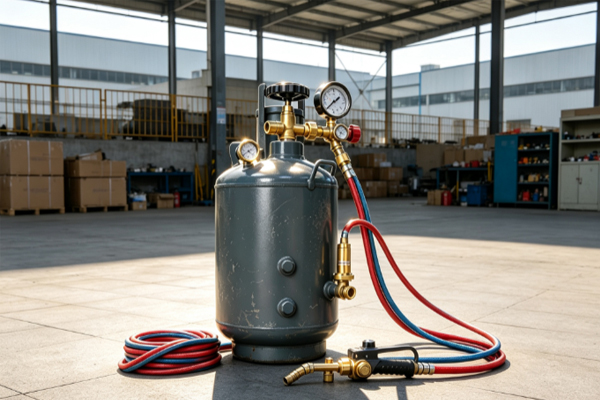
Acetylene tanks are used frequently in welding, cutting, and maintenance operations, and many factories focus more on getting equipment into production quickly while overlooking installation quality. What seems like nothing more than connecting the tank body, piping, and accessories can actually affect gas transmission efficiency, pressure stability, and long-term operating costs. When installation is not done properly, gas loss often does not show up immediately. By the time pressure fluctuations, unstable flames, and frequent refilling appear, waste has already been quietly accumulating. If you want an acetylene system that uses less gas and runs more steadily, the installation stage must be handled with care.
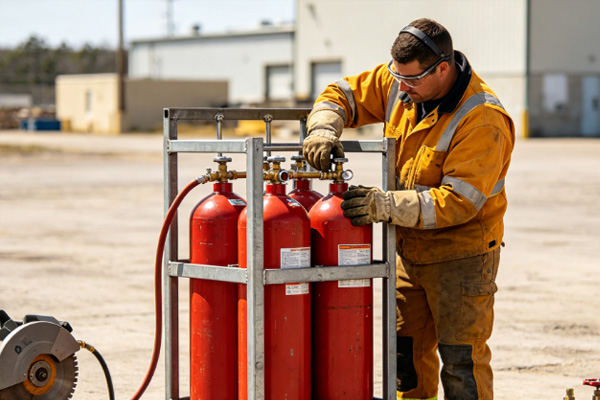
Improper Installation Can Let Acetylene Escape Unnecessarily
Gas waste usually does not appear all at once; it accumulates gradually through small deviations in detail.
Poor Interface Sealing
Acetylene systems have very high sealing requirements. Even a tiny gap at a connection point can become a continuous source of gas loss during long-term operation. There may be no obvious abnormality on the surface, yet it can steadily increase the company’s gas consumption costs.
- If a joint is not tightened properly, gas may not leak out in large amounts right away, but over long periods it can create continuous micro-losses that add up and noticeably increase gas costs.
- Aging, misaligned, or unevenly installed sealing rings can weaken the airtightness of the connection, allowing gas that should be delivered steadily to be quietly lost at the joint.
- Once a valve connection becomes loose, gas loss often appears together with pressure changes. The issue may not be noticed immediately on site, but the waste continues to accumulate.
These problems are not easy to detect in daily use. After long-term operation, the amount of waste often exceeds expectations, and by the time it is discovered, the efficiency of the entire gas supply system has usually already been affected.
Unsmooth Piping Layout
Poor piping design can cause additional gas loss during transmission, especially in factory environments where space is tight and equipment is distributed in complex ways. These issues are even easier to overlook.
- When pipelines are too long, gas is more likely to experience pressure drop during transmission, and the effective gas volume reaching the equipment also decreases.
- Too many bends increase flow resistance, making gas delivery less smooth. To maintain output, the system often has to consume more resources.
- If the piping is not fixed securely, vibration during equipment operation can gradually loosen the connections. This not only affects gas supply efficiency but also increases gas loss.
The more complex the layout, the lower the gas utilization efficiency, and the higher the factory’s gas costs. Over time, maintenance and troubleshooting also become more difficult.
Gas Waste Usually Shows Up in Operating Conditions
Losses caused by installation problems often appear first in operating conditions. By the time abnormalities are seen on the production floor, gas waste has usually already been happening for some time.
Unstable Pressure
After improper installation, the most common symptom is pressure fluctuation. Although this may seem like nothing more than a change in readings, it directly affects acetylene transmission efficiency and usage performance.
- When the pressure gauge reading rises and falls irregularly, it indicates that the internal gas delivery condition is not stable, and gas may already be experiencing loss or abnormal resistance during transmission.
- Uneven gas supply makes the equipment output less stable. Operators often need to make repeated adjustments to maintain normal work, which indirectly increases gas consumption.
- The more often adjustments are made, the more likely the system is to enter a repeated compensation state. It may seem like nothing more than frequent operation, but in reality it lowers acetylene utilization.
Unstable pressure not only affects the user experience, but also reduces acetylene utilization and may repeatedly interrupt the normal pace of work.
Abnormal Flame Conditions
Welding and cutting operations require a high level of flame consistency. Unstable gas supply directly affects results, and abnormal flame behavior is often the most visible sign of gas waste.
- When the flame grows and shrinks irregularly, operators need to constantly adjust their work rhythm. This affects efficiency and causes additional gas consumption under unstable conditions.
- When cutting edges are uneven, the rework rate increases. Work that should have been completed in one pass may need to be repeated, consuming both gas and material again.
- When welding quality fluctuates, materials and gas are consumed repeatedly. On the surface this looks like a process issue, but in reality it also increases overall gas costs.
Once rework becomes more frequent, gas waste is no longer just “a little leakage.” Instead, the efficiency of the entire batch of work declines, and the company’s overall costs rise accordingly.
Frequent Refilling and Repeated Adjustments
Systems installed improperly often require more manual intervention. This repeated adjustment not only takes time, but also continuously reduces gas usage efficiency.
- If the equipment needs to be checked every short period of operation, it indicates insufficient system stability, and both labor time and gas consumption increase together.
- When gas supply is insufficient and refilling is needed repeatedly, the system may still be keeping production going on the surface, but gas utilization becomes even lower.
- After repeated pressure adjustments, the process becomes more time-consuming, and it becomes harder to keep the equipment in an ideal operating range. Waste keeps growing through repeated corrections.
These may seem like operational issues, but in essence they also amplify gas consumption and quietly increase operating costs for the company.
These Installation Details Most Easily Amplify Losses
Some seemingly minor installation details can have a direct impact on the overall efficiency of an acetylene system and even determine whether continuous gas waste will occur later.
Hose Bending and Compression
The condition of the hose directly affects gas flow. Many on-site problems are not caused by the equipment itself, but by improper hose installation and placement. Excessive bending, being pressed under heavy objects, or long-term uneven stress can all reduce gas transmission efficiency, increase pressure loss, accelerate aging, and raise future maintenance frequency, potentially leading to more complicated operating issues.
Incompatible Accessories
Accessories in an acetylene system need to match the operating conditions. Incorrect selection not only affects the user experience, but also significantly reduces gas utilization.
- If the pressure regulator is not the right specification, pressure adjustment becomes unstable and system output becomes less consistent, naturally lowering gas utilization.
- If the flashback arrestor is not installed properly, the problem may not appear immediately, but the overall operating condition will be affected and later troubleshooting will become more complicated.
- If the pressure gauge is installed in a position that is difficult to observe, abnormalities are harder to detect in time, and small issues that could have been handled early may develop into larger losses.
When accessories are properly configured, the system runs more economically and is easier to keep stable over the long term.
Lack of Inspection After Installation
Installation completion does not mean the system can be used directly for the long term. A system without inspection is more likely to turn small problems into major losses.
- If no sealing test is performed, leak points can easily be overlooked, and by the time gas consumption becomes abnormal, the loss has often already been happening for some time.
- If no trial run is performed, pressure fluctuations and connection issues in the system are harder to expose, making waste more likely during formal production.
- If operating conditions are not recorded, troubleshooting becomes much more time-consuming, and the company has a harder time determining where the loss is actually coming from.
A system without inspection is more likely to suffer hidden waste and is also harder to diagnose quickly.
Reducing Acetylene Gas Waste Requires Both Installation and Maintenance
If you want to control losses, installation, inspection, and maintenance must all be carried out together. Only by doing each step well can the acetylene system truly become economical, stable, and durable.
Ensure Proper Installation
When details are handled properly during installation, later losses will drop significantly. This is also the most direct way to control acetylene usage costs. Choosing suitable connectors and accessories, keeping the piping simple and smooth, and completing a full inspection after installation can reduce poor sealing, pressure loss, and hidden waste, making gas transmission more efficient. Proper installation not only reduces gas waste, but also makes the equipment run more steadily and lays a more reliable foundation for future production.
Establish a Daily Inspection Routine
Regular inspections help companies detect problems early and keep losses within a smaller range, preventing minor abnormalities from turning into continuous waste.
- Checking whether connections are loose can help identify sealing risks in time and prevent micro-leaks from accumulating into obvious losses.
- Observing whether pressure is stable helps determine whether the system is operating normally and provides a basis for later adjustments.
- Inspecting hoses and valves helps detect aging, wear, and abnormal compression in advance.
Only by doing daily inspections well can the equipment run more safely and steadily, while gas usage remains more economical.
Replace Wear Parts Promptly
Sealing rings, hoses, valves, and similar components all have a service life. Once they reach the replacement point, they should be handled promptly and not kept in service while faulty.
- Replacing aged parts in time can reduce gas loss and operating fluctuations caused by performance decline.
- Addressing small problems early can prevent faults from spreading and reduce extra consumption caused by repeated adjustments and rework.
- Avoiding operation with known faults is an important way to control gas waste and maintenance costs.
Good daily inspection and maintenance help keep the acetylene system running steadily and allow the company to achieve better cost control over the long term.
Improper acetylene tank installation can indeed cause gas waste, and this waste is often not a one-time issue. It shows up over long-term operation through pressure fluctuations, unstable flames, and repeated adjustments. If a factory wants to control costs and improve efficiency, it must handle installation, acceptance, and inspection carefully so the acetylene system can maintain stable output. Zhongcheng Gas Tanks provides professional acetylene tank and industrial gas supply solutions to help companies keep gas loss within a more reasonable range.