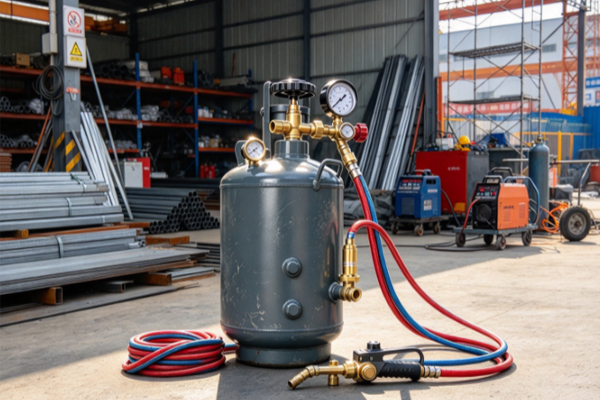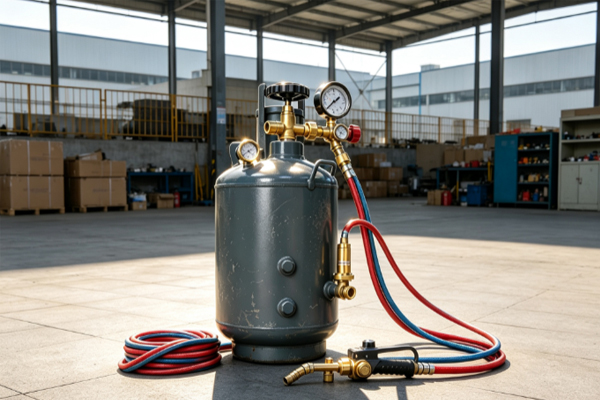
Acetylene cylinders are widely used in welding, flame cutting, machinery manufacturing, structural steel fabrication, automotive repair, and industrial installation. Because acetylene is a highly flammable gas, any leakage can lead to gas loss while increasing the risk of fire or explosion. Leaks are commonly caused by worn valves, loose fittings, damaged hoses, or improper operating procedures. Understanding the correct emergency response, establishing routine inspection procedures, and maintaining equipment in good condition can significantly reduce potential hazards while ensuring stable and safe operation of the entire gas supply system.
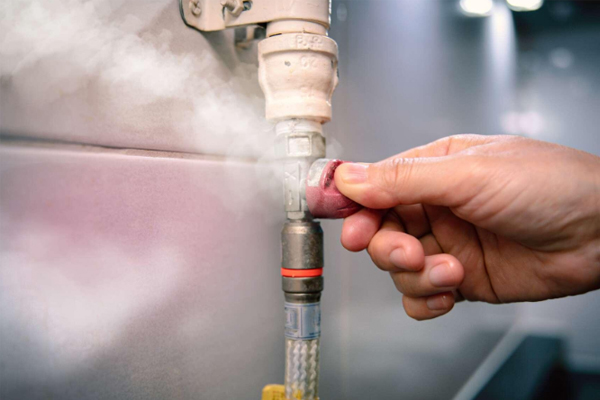
Common Causes of Acetylene Cylinder Leaks
During normal operation, acetylene travels from the cylinder through the cylinder valve, pressure regulator, flashback arrestor, hose, and welding torch. Any defect within these connections may result in gas leakage. Over time, sealing rings may deteriorate, threaded connections may wear, and hoses may develop cracks, increasing the possibility of leaks.
External conditions can also affect sealing performance. Mechanical impacts, prolonged exposure to high temperatures, frequent transportation, or incorrect installation may reduce the stability of connection points. Routine inspections, timely maintenance, and proper operating procedures help minimize the likelihood of gas leakage and improve the reliability of the gas supply system.
Immediate Actions to Take After Discovering a Leak
When an acetylene leak is detected, it is important to remain calm and respond quickly using appropriate safety procedures. Incorrect actions may worsen the situation or increase the possibility of ignition.
Immediately close the cylinder valve to stop the gas supply and suspend all welding or cutting operations. Eliminate nearby ignition sources, including open flames, sparks, and high-temperature equipment. Open doors and windows or activate mechanical ventilation to disperse the leaking gas and reduce its concentration in the work area. Until the equipment has been inspected and confirmed safe, do not continue using the cylinder or attempt to disassemble valves or accessories without proper authorization. Returning the equipment to service only after a thorough inspection helps maintain workplace safety.
How to Identify and Locate the Source of a Leak
Finding the exact leak location quickly helps reduce gas loss and shortens repair time. Safe inspection methods should always be used. Never use an open flame to test for gas leaks.
The following inspection procedures are recommended:
- Inspect the cylinder valve connections:Verify that the cylinder valve is fully closed and check whether fittings remain secure and properly sealed.
- Use a soap solution for leak detection:Apply soapy water to valves, fittings, hoses, and other connection points. Continuous bubble formation indicates the presence of a leak.
- Inspect the hose condition:Look for cracks, aging, abrasion, excessive bending, or physical damage along the hose.
- Check the pressure regulator and accessories:Confirm that the pressure regulator, flashback arrestor, and all fittings are securely installed and properly sealed.
- Observe pressure changes:If pressure continues to decrease after equipment shutdown, inspect the gas supply system for slow or hidden leaks.
Following these inspection procedures allows operators to identify leaks efficiently while reducing unnecessary gas loss and improving operational safety.
Working Environments That Require Greater Attention to Leak Prevention
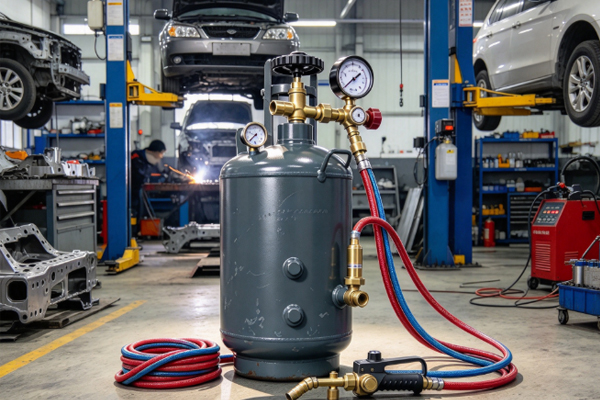
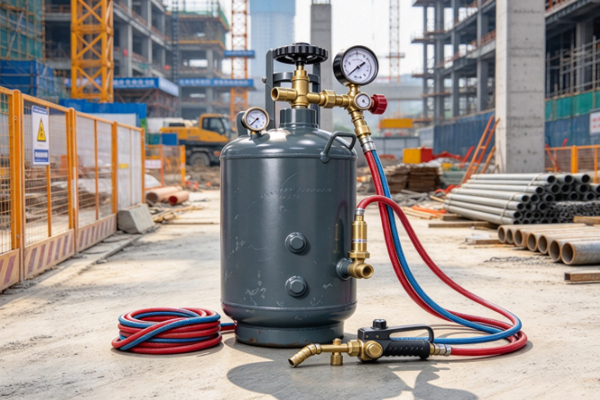
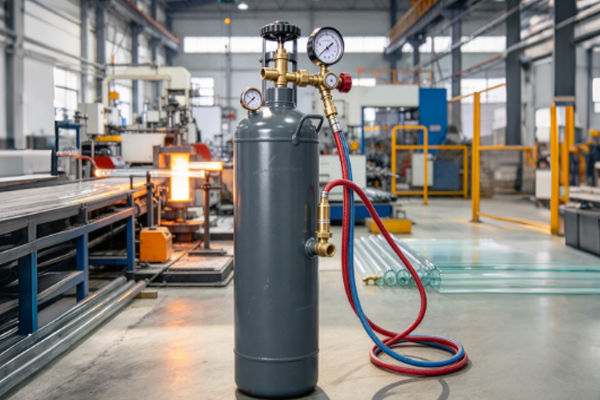
Leak prevention requirements vary depending on the workplace. Automotive repair workshops often have concentrated welding areas where good ventilation and regular inspection of gas connections are essential. Structural steel fabrication facilities typically perform continuous welding operations, making routine inspection of pressure regulators, hoses, and torch connections especially important. Construction sites involve frequent cylinder transportation, increasing the need to prevent mechanical impacts, loose fittings, and prolonged exposure to direct sunlight or excessive heat. Shipbuilding facilities, machinery processing plants, and large manufacturing operations generally manage multiple acetylene cylinders simultaneously, making routine inspection programs an important part of maintaining safe and reliable gas supply systems.
How to Prevent Future Acetylene Cylinder Leaks
Repairing a leak is only one part of maintaining safe equipment. Long-term prevention requires regular inspections, effective maintenance, and proper operating procedures. A structured maintenance program helps reduce the possibility of future leaks while extending equipment service life.
The following management practices are recommended:
- Establish routine inspection procedures:Inspect cylinder valves, hoses, pressure regulators, and fittings before and after every operation.
- Replace aging components promptly:Change sealing rings, hoses, and other worn accessories according to maintenance schedules.
- Handle and store cylinders properly:Prevent impacts, dropping, or excessive vibration while keeping cylinders upright and securely fastened.
- Provide operator safety training:Ensure personnel understand leak identification methods, emergency response procedures, and correct operating practices.
- Maintain detailed maintenance records:Record inspections, repairs, and component replacements to improve equipment tracking and long-term management.
Through standardized inspections, proper maintenance, and safe operating procedures, businesses can significantly reduce the risk of acetylene cylinder leaks while maintaining a reliable gas supply system for welding, flame cutting, and industrial manufacturing.