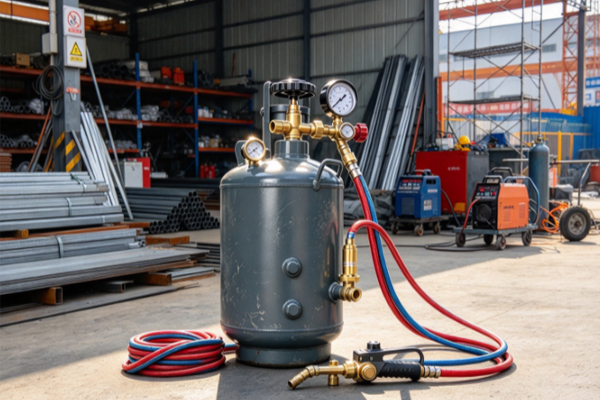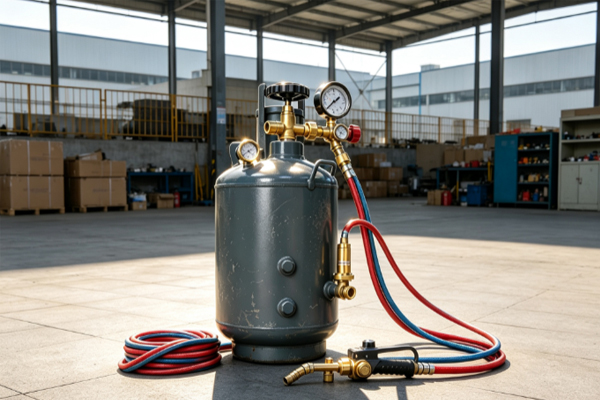
Acetylene cylinders are widely used in industrial welding, flame cutting, metal processing, machinery manufacturing, and equipment maintenance. Since acetylene is a flammable gas, the filling process must meet strict safety requirements. Only when cylinder conditions, filling equipment, operating environments, and procedures comply with required standards can safe and stable gas storage be achieved. Proper filling requirements not only affect cylinder performance but also influence transportation, storage, and actual operation safety. Understanding the requirements before and after filling helps users reduce equipment risks, improve cylinder efficiency, and provide a continuous and reliable gas supply for welding and cutting applications.
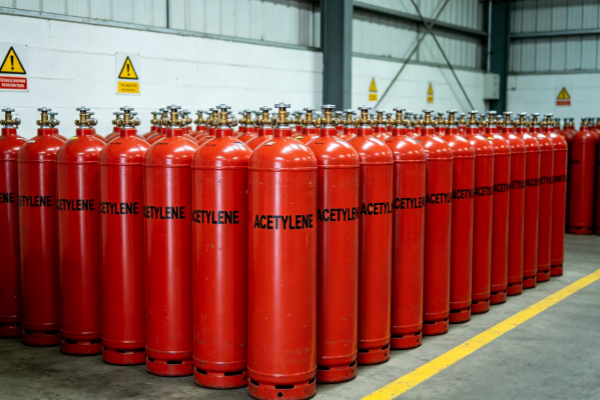
Basic Conditions Required Before Filling an Acetylene Cylinder
Before an acetylene cylinder enters the filling process, its overall condition must be confirmed to ensure safe operation. The cylinder surface should remain intact without severe corrosion, cracks, deformation, impact damage, or other issues that may affect structural strength. Manufacturing information, inspection markings, and identification numbers should remain clear and readable to confirm the cylinder’s management status.
The cylinder valve should maintain good opening and closing performance, and connection points should provide reliable sealing to prevent gas leakage during filling. Since acetylene cylinders have a special internal structure, the internal porous filler condition should remain normal and meet storage requirements. If a cylinder has been used for an extended period and shows abnormal internal conditions, it should be inspected and confirmed before further filling.
The filling area should also meet safety requirements. It should have sufficient ventilation and remain away from open flames, welding areas, high-temperature equipment, and locations where sparks may occur. Necessary safety protection equipment should be available to support a controlled filling environment. Only acetylene cylinders that meet these requirements should proceed with filling, helping reduce equipment failures and improve operational safety.
Operating Requirements During the Acetylene Cylinder Filling Process
Acetylene cylinder filling is a specialized operation that requires strict control throughout the process. During filling, the cylinder should remain upright and properly secured to prevent movement or tipping. Filling equipment, connecting pipelines, pressure control devices, and related accessories must remain in good working condition to ensure smooth gas transfer into the cylinder.
Operators should control the filling speed according to proper procedures and avoid rapid gas entry that may cause excessive pressure changes. During the filling process, pressure conditions, equipment operation, and connection points should be continuously monitored. If abnormal pressure increases, gas leakage, or equipment problems occur, filling should stop immediately for inspection.
After filling is completed, the valve should be checked to confirm reliable closure. The external condition of the cylinder and sealing performance of connection points should also be inspected to ensure there are no abnormal conditions before transportation or storage.
Proper control of the filling process helps reduce internal pressure changes, improves acetylene storage stability, and lowers the possibility of accessory damage. Standardized operating procedures play an important role in maintaining long-term equipment reliability.
Inspection Items Required Before and After Filling an Acetylene Cylinder
A complete inspection process helps identify cylinder problems at an early stage and prevents unsuitable equipment from entering service. Inspection procedures should cover cylinder condition, accessory performance, and filling equipment operation.
Important inspection items include:
- Check cylinder inspection status:Confirm that the cylinder remains within the approved inspection period and that all required identification markings are complete.
- Inspect cylinder exterior quality:Check for corrosion, cracks, dents, or other damage to ensure the cylinder structure remains reliable.
- Check valve and sealing performance:Confirm that the valve operates smoothly and connection points remain secure to prevent gas leakage during filling.
- Inspect filling equipment operation:Verify that filling pipelines, pressure control devices, and connection systems are functioning correctly.
- Check the cylinder condition after filling:Confirm stable pressure, proper valve closure, and complete filling records after the process is finished.
Through complete inspection procedures, acetylene cylinder filling quality can be improved, allowing cylinders to maintain reliable performance during welding, cutting, and industrial applications.
How Different Working Environments Affect Acetylene Cylinder Filling Management
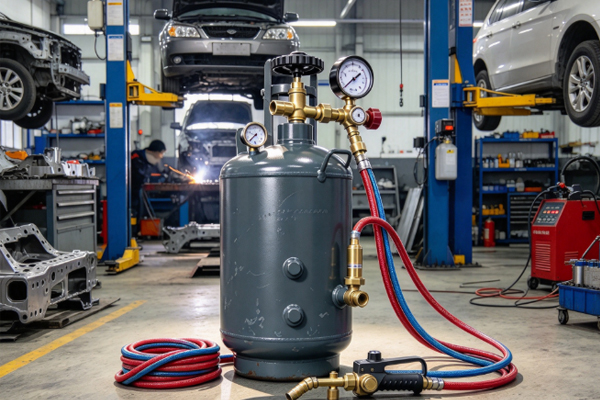
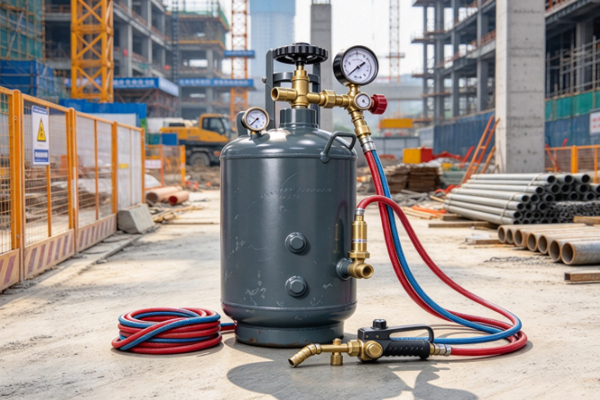
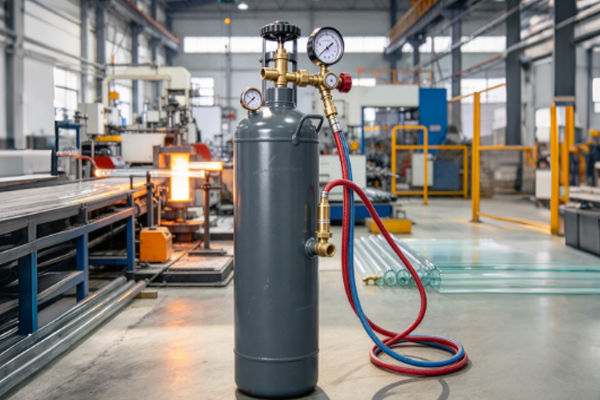
Different working environments require different management methods for filled acetylene cylinders. In automotive repair facilities, acetylene equipment is frequently used, so cylinder rotation should be arranged properly and filling conditions should be checked regularly to avoid affecting daily repair operations. Steel fabrication companies usually perform continuous welding and cutting work, requiring complete filling records and proper cylinder planning according to production needs. Construction sites often experience changing environmental conditions, so filled acetylene cylinders require proper securing, protection from sunlight, and prevention of impact during transportation and storage. Machinery manufacturers and large industrial companies usually establish centralized management procedures to record cylinder identification, inspection dates, and filling information for easier maintenance and control. Regardless of the application environment, standardized filling procedures and safety management requirements are necessary to maintain stable cylinder conditions.
How to Establish an Effective Acetylene Cylinder Filling Management System
A scientific filling management system improves acetylene cylinder safety and creates more organized cylinder control procedures. Long-term implementation of standardized processes helps reduce equipment problems and maintain stable gas supply during industrial production.
Recommended management practices include:
- Create cylinder management records:Record cylinder identification numbers, inspection dates, filling history, and maintenance information for easier tracking.
- Develop filling inspection procedures:Define requirements for pre-filling inspections, filling process control, and final confirmation after filling.
- Strengthen operator training:Improve workers’ understanding of cylinder structures, filling procedures, and safety requirements to reduce incorrect operations.
- Maintain filling equipment regularly:Inspect and maintain filling pipelines, pressure control systems, and connection accessories to ensure reliable operation.
- Improve abnormal situation response procedures:Establish handling methods for gas leaks, equipment failures, and other unexpected conditions to improve workplace response capabilities.
By implementing standardized filling requirements, improving inspection procedures, and strengthening daily management, companies can enhance acetylene cylinder safety, reduce equipment wear and gas waste, and provide a stable and reliable gas supply for industrial welding, cutting, and manufacturing operations.