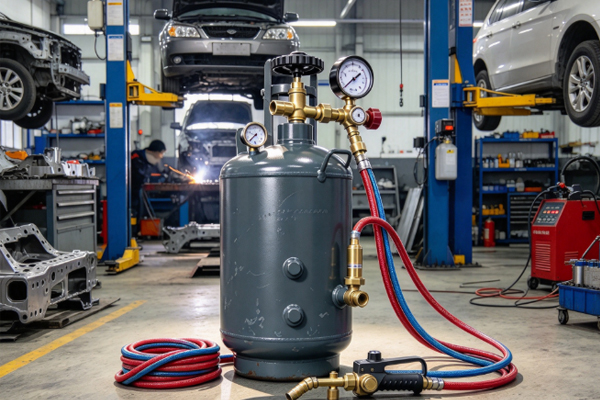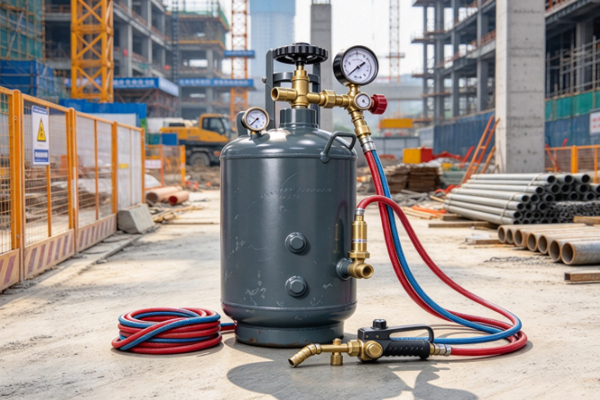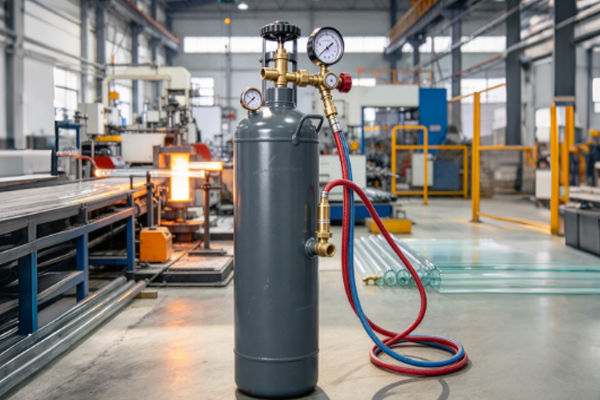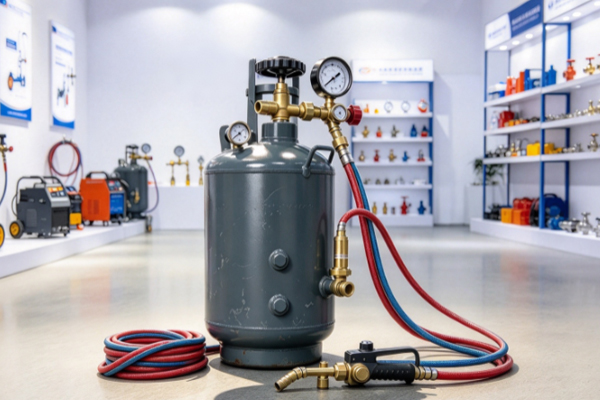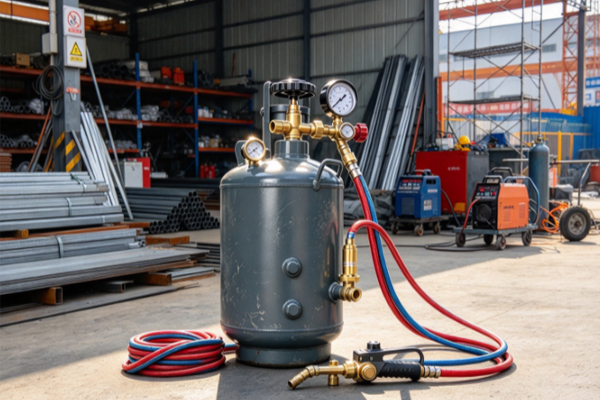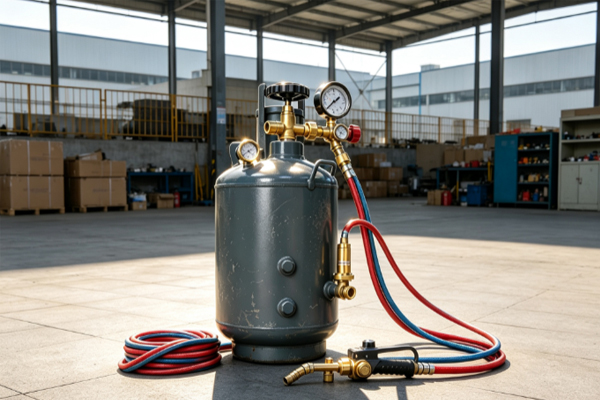
Acetylene cylinders are commonly used in industrial welding, cutting, and gas processing applications. Their safety condition directly affects production stability and workplace safety. During long-term use, cylinders may be affected by pressure changes, temperature variations, transportation impacts, and external corrosion, which can influence cylinder structure and accessory performance. Regular inspection helps identify potential problems in advance and ensures that acetylene cylinders meet safety requirements. Understanding the inspection period of acetylene cylinders helps companies arrange maintenance schedules, reduce operational risks, and keep equipment in good working condition. In practical applications, inspection intervals should be managed according to cylinder type, usage frequency, storage environment, and relevant safety requirements.
Why Do Acetylene Cylinders Need Regular Inspection?
Acetylene cylinders store flammable gas under pressure, and long-term operation may cause changes to cylinder materials, valves, and safety accessories. Regular inspection helps check whether the cylinder surface has corrosion, deformation, cracks, or other problems, while also confirming whether valves and related components meet continued use requirements.
In industrial environments, acetylene cylinders may be exposed to humid air, chemicals, oil contamination, and high-temperature conditions. These factors can gradually affect cylinder service life. Without regular inspection, hidden problems may remain unnoticed and could lead to gas leakage, abnormal pressure conditions, or equipment failures during operation. Inspection procedures allow operators to understand the actual condition of cylinders and arrange repair, replacement, or removal of equipment when necessary.
Standardized inspection is an important part of safety management and helps maintain continuous production. By arranging proper inspection schedules, companies can improve equipment reliability and ensure stable performance during welding, cutting, and other industrial applications.
What Is the General Inspection Period for Acetylene Cylinders?
The inspection period for acetylene cylinders should be determined according to applicable safety regulations, cylinder conditions, and actual working environments. Under normal conditions, acetylene cylinders generally require periodic inspection according to established requirements, and the common inspection interval is usually once every three years. However, if cylinders experience abnormal conditions such as severe impact, long-term exposure to harsh environments, corrosion damage, or gas leakage, inspection should be carried out earlier.
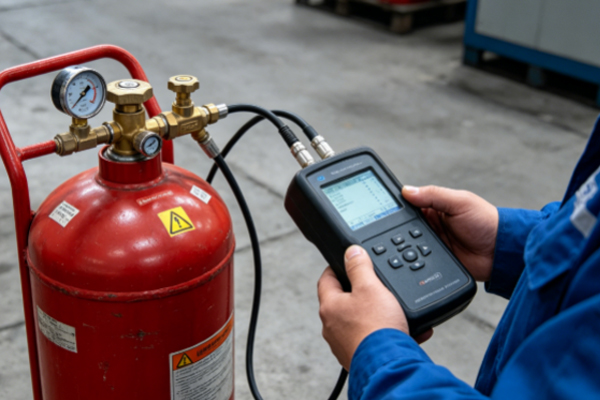
During inspection, professional technicians check the cylinder exterior, valve condition, safety accessories, and internal condition to confirm whether the cylinder remains suitable for continued use. For acetylene cylinders used frequently in complex working environments, inspection schedules may need to be adjusted according to actual equipment conditions.
Companies should maintain records of inspection dates, usage history, and maintenance information for each acetylene cylinder. Avoiding the use of cylinders beyond the required inspection period helps improve safety and reduce production interruptions caused by cylinder problems.
What Items Are Checked During Acetylene Cylinder Inspection?
Acetylene cylinder inspection is not limited to visual examination. A complete inspection process evaluates the overall condition and performance of the cylinder. Different inspection procedures help determine whether the cylinder meets requirements for continued operation.
Common inspection items include:
- Check cylinder exterior condition:Inspect the cylinder surface for corrosion, cracks, dents, wear, or other damage that may affect structural strength.
- Verify cylinder identification information:Check cylinder numbers, manufacturing information, and inspection markings to ensure complete equipment records.
- Inspect valve performance:Confirm that the valve opens and closes properly without sticking, damage, or sealing problems.
- Check safety accessories:Ensure that protective components are complete and able to perform their intended functions.
- Perform necessary performance tests:Conduct required inspections of pressure resistance and internal conditions to determine whether the cylinder meets continued use requirements.
A complete inspection provides accurate information about the actual condition of acetylene cylinders and supports future operation and maintenance decisions. Regular inspection reduces equipment risks and improves cylinder management quality.
What Situations Require Early Inspection of Acetylene Cylinders?
Although acetylene cylinders have established inspection periods, special conditions may require inspection before the scheduled date. If a cylinder experiences external impact, such as falling or collision during transportation, structural changes may occur and require immediate evaluation. Cylinders stored in humid environments for long periods may develop corrosion problems and should be inspected before continued use.
During operation, if abnormal gas odors, leakage at connections, or unusual pressure changes are detected, the cylinder should be removed from service and professionally inspected. Cylinders exposed to high temperatures or corrosive substances should also be evaluated to confirm their safety condition.
Different working environments create different usage pressures. Equipment used frequently has a higher possibility of wear and requires closer monitoring. Early inspection helps prevent problems from becoming more serious and keeps cylinders in a safe operating condition.
How to Manage Acetylene Cylinder Inspection Periods Effectively?
Scientific inspection management helps companies avoid missed inspections and overdue cylinder use while improving equipment management efficiency. A complete management system should combine cylinder records, usage information, and routine condition checks.
Recommended management practices include:
- Create cylinder inspection records:Record cylinder identification numbers, inspection dates, maintenance history, and usage conditions for effective tracking.
- Set inspection reminders:Arrange inspection schedules in advance according to inspection dates to prevent cylinders from exceeding required periods.
- Strengthen daily condition monitoring:Check cylinder surfaces, valves, and connection areas before use and handle abnormal conditions promptly.
- Manage storage environments properly:Keep storage areas dry and ventilated to reduce environmental effects on cylinder conditions.
- Cooperate with professional inspection services:Arrange inspections according to requirements and avoid using acetylene cylinders without confirmed safety approval.
By improving inspection period management, strengthening routine checks, and following proper maintenance procedures, companies can enhance acetylene cylinder safety, extend equipment service life, and provide stable and reliable gas support for industrial welding, cutting, and manufacturing operations.