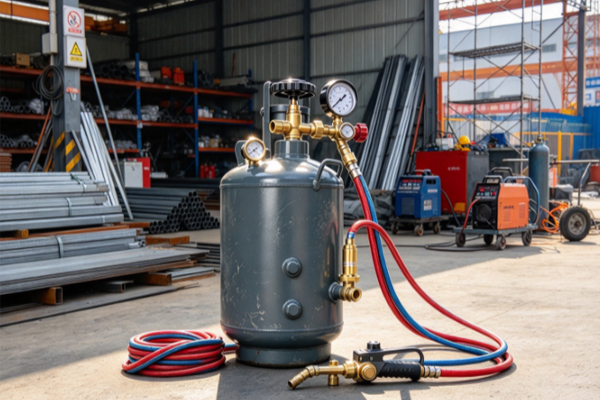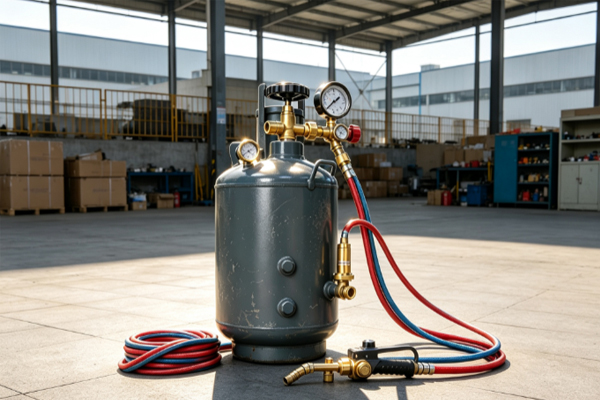
Acetylene cylinders are commonly used in industrial welding, cutting, and metal processing applications. The operating environment has an important influence on cylinder performance, equipment safety, and service life. A suitable environment helps maintain stable operation, reduce gas leakage risks, prevent equipment damage, and improve overall work efficiency.
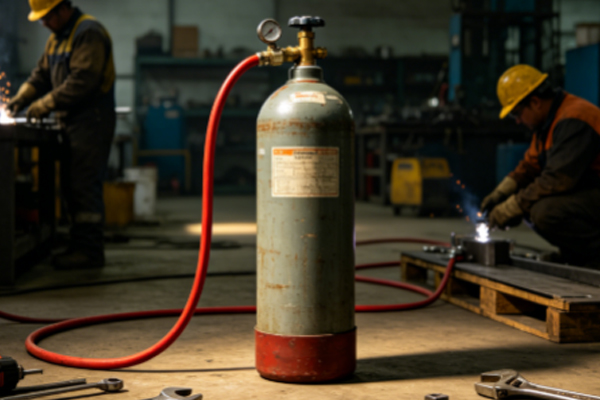
Since acetylene is a flammable gas, the storage and operating conditions of cylinders require careful management. Different temperatures, humidity levels, ventilation conditions, and working locations may affect equipment performance. Operators need to arrange cylinder placement and usage areas according to actual working conditions while avoiding exposure to high temperatures, impact, moisture, and ignition sources.
Proper environmental management not only improves gas utilization efficiency but also helps extend the service life of acetylene cylinders and related accessories. In industrial production, maintenance work, and welding operations, understanding environmental requirements is an important step toward ensuring safe and stable cylinder operation.
What Are the Basic Environmental Requirements for Acetylene Cylinders?
The operating environment for acetylene cylinders should meet safety, stability, and operational requirements. The working area should have good ventilation to allow continuous air circulation and prevent acetylene gas from accumulating in enclosed spaces. Especially during indoor welding or cutting operations, proper ventilation measures should be arranged to maintain suitable airflow around the cylinder.
Temperature conditions also have an important influence on acetylene cylinder use. Cylinders should not be placed in high-temperature environments for long periods and should be kept away from boilers, heating equipment, open flames, and areas exposed to strong sunlight. Large temperature fluctuations may affect internal pressure conditions and increase equipment management difficulties.
The working area should remain clean and free from oil contamination, corrosive substances, and materials that may affect cylinder performance. The ground should be stable, and cylinders should be secured properly after placement to prevent tipping or impact.
A suitable operating environment helps acetylene cylinders maintain stable performance, allowing welding and cutting operations to proceed more smoothly while reducing equipment problems.
How Do Environmental Requirements Differ Between Different Working Conditions?
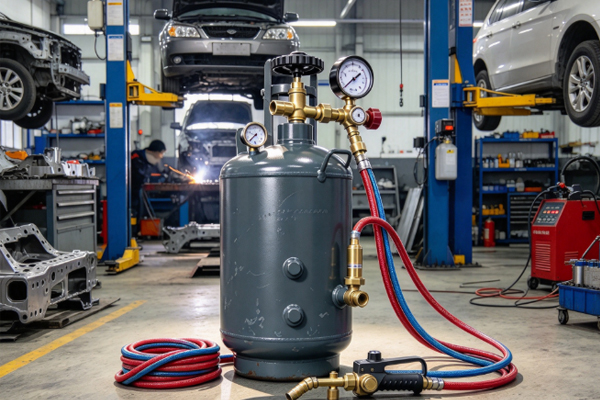
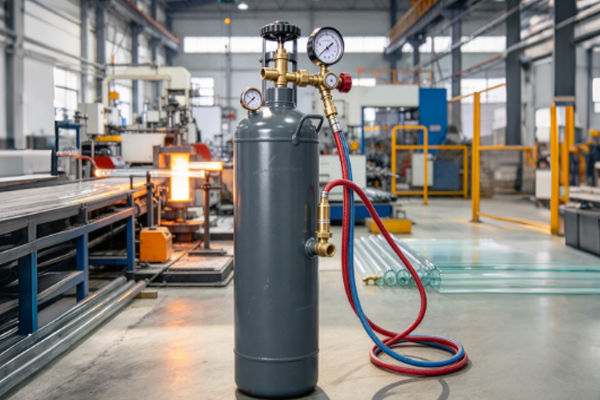
Acetylene cylinders are used in many different environments, and each application requires different management methods. When used in factory workshops, cylinders are usually placed in fixed working areas. Key considerations include ventilation systems, cylinder placement distance, and workplace organization. Since workshops often contain many types of equipment, cylinder locations should be planned carefully to prevent contact with heat sources or flammable materials.
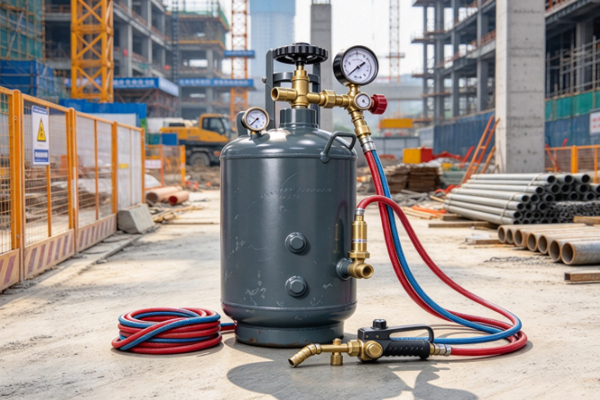
When acetylene cylinders are used at construction sites, environmental conditions may change frequently. Weather conditions, ground conditions, and transportation requirements need to be considered. Construction areas may contain dust, moisture, or limited working space, requiring additional protection to reduce external impacts on the cylinder.
Maintenance operations often require equipment movement. In these situations, acetylene cylinders should be managed according to transportation convenience and operating flexibility. Cylinders should not be used for long periods in narrow spaces, poorly ventilated areas, or enclosed locations.
Different working environments require different management approaches. Proper placement and operating methods improve cylinder adaptability and help maintain reliable performance in various applications.
What Environmental Details Should Be Considered During Acetylene Cylinder Use?
Environmental management details have a direct impact on acetylene cylinder performance. Proper control of surrounding conditions helps reduce external risks and improves equipment reliability.
Important considerations include:
- Maintain good ventilation conditions:The working area should have sufficient airflow to prevent acetylene gas accumulation, especially during indoor operations.
- Keep away from ignition sources and high-temperature areas:Acetylene cylinders should be kept away from open flames, welding sparks, and heating equipment to prevent heat-related risks.
- Avoid humid storage environments:Long-term exposure to moisture may cause corrosion, so cylinders should be stored in dry locations.
- Prevent mechanical impact:During use and transportation, cylinders should be protected from collision, especially the valve and connection areas.
- Keep the surrounding area clean:Remove oil, debris, and flammable materials to create safer operating conditions.
Following these environmental management practices helps reduce potential problems during acetylene cylinder use. Combining proper environmental control with correct operating procedures improves equipment reliability and overall performance.
How Do Environmental Conditions Affect Acetylene Cylinder Performance?
The operating environment directly affects acetylene cylinder performance and service life. Temperature changes may influence gas pressure conditions. When cylinders are exposed to high temperatures or frequent temperature fluctuations, additional inspection and management are required.
High humidity environments may accelerate corrosion of metal components and affect cylinder surfaces and accessories. Poor ventilation may increase the possibility of gas accumulation, especially when acetylene cylinders are used in small or enclosed spaces. Proper airflow should be confirmed before operation.
Chemical substances in the environment may also affect cylinder conditions. Long-term contact with acidic materials, alkaline substances, corrosive gases, or industrial pollutants may reduce protective performance on cylinder surfaces. Storage and operating locations should be kept away from environments that may cause corrosion.
Improving the operating environment helps reduce external impacts on acetylene cylinders and improves equipment stability. Good environmental management protects equipment and allows operators to complete welding and cutting tasks more efficiently.
How to Establish an Environmental Management System for Acetylene Cylinder Use?
Creating an effective environmental management system helps companies and operators control acetylene cylinder conditions more effectively. Regular inspections and proper management reduce the impact of environmental changes on equipment.
Recommended management practices include:
- Set up designated operating areas:Plan dedicated areas according to work requirements to prevent random cylinder placement and improve workplace organization.
- Inspect environmental conditions regularly:Check temperature, humidity, ventilation, and surrounding items to identify unsuitable conditions promptly.
- Improve protective measures:Add appropriate protection, shielding, or fixing methods according to workplace conditions to reduce external impacts.
- Strengthen operator training:Ensure workers understand environmental requirements and follow correct storage and operating procedures.
- Maintain equipment management records:Record cylinder locations, inspection results, and environmental conditions for better future management.
Through scientific environmental management, acetylene cylinders can achieve better operating stability and reduced maintenance pressure. Proper storage conditions, standardized operating procedures, and continuous inspections work together to ensure that acetylene cylinders provide safe and reliable gas support for welding, cutting, and industrial production.