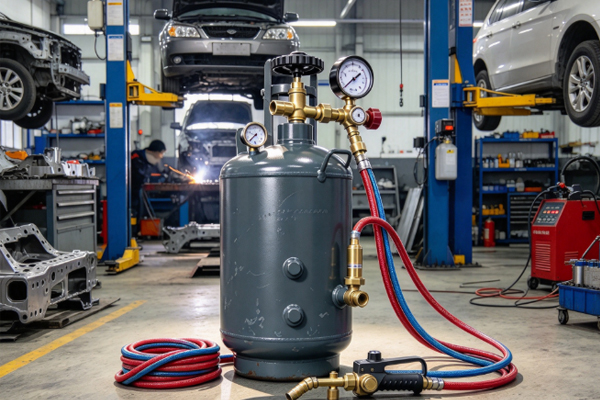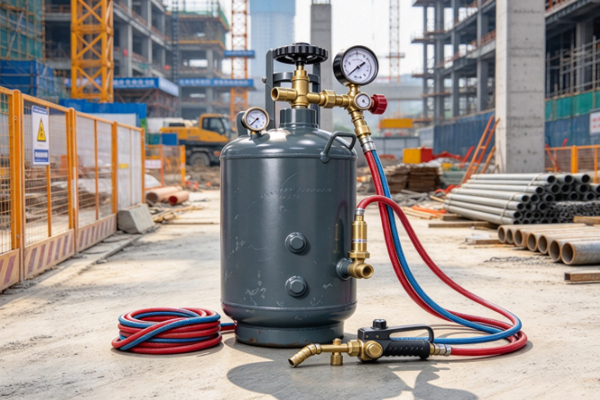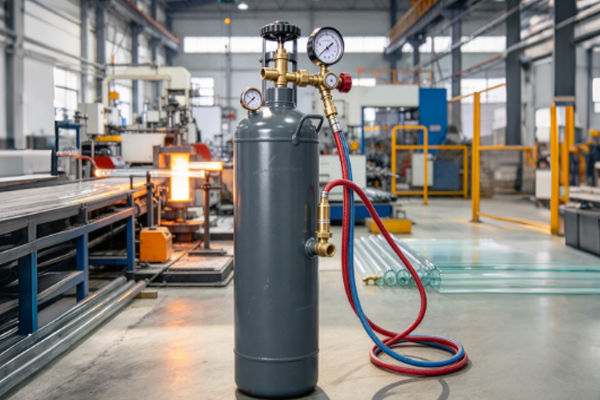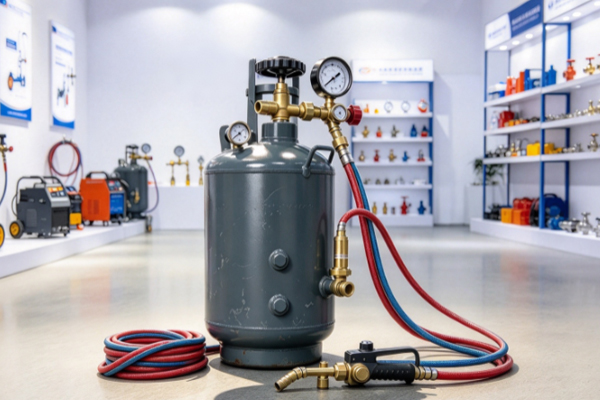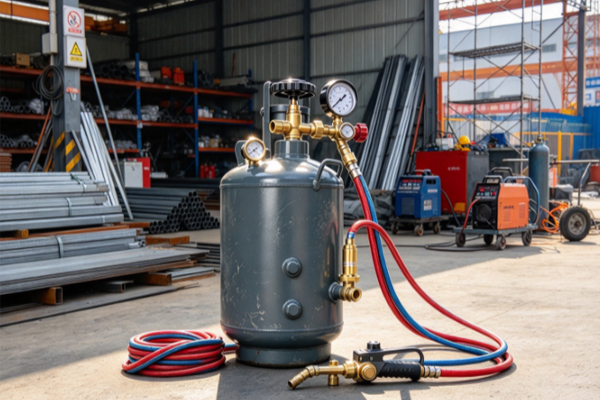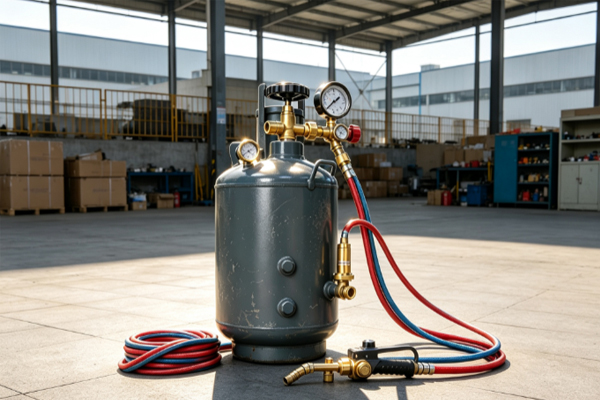
When purchasing an acetylene storage tank, one of the biggest challenges for many companies is deciding what size they actually need. Some worry that a tank with insufficient capacity will interrupt production, while others choose oversized equipment only to find that it takes up too much space and has a low utilization rate. In fact, acetylene storage tank size should be selected according to actual gas consumption, including daily usage, number of equipment units, working hours, and future production plans. Proper matching between gas demand and tank specifications can improve equipment efficiency and prevent unnecessary costs.
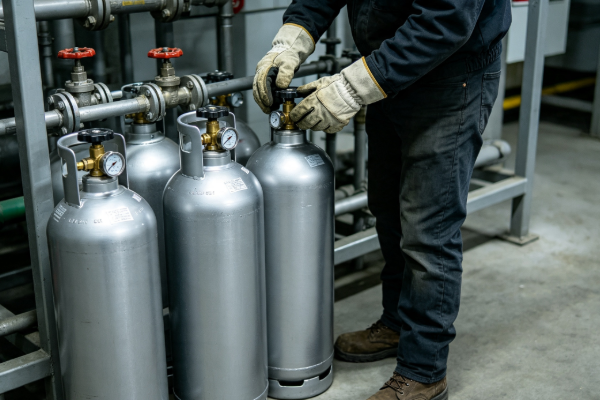
Calculating Acetylene Consumption Is the First Step in Choosing Tank Size
Before selecting an acetylene storage tank size, companies should first understand their actual gas consumption. Tank selection is not determined simply by factory size or the number of machines. It should be based on the amount of acetylene consumed during daily production.
The following factors should be considered:
- Daily acetylene usage time, as longer continuous operation requires greater storage capacity.
- Number of welding and cutting machines operating at the same time.
- Frequency of equipment use, since continuous production and occasional operations have different requirements.
- Future production plans, including possible increases in gas demand.
Many companies only provide the number of welding machines when purchasing equipment, but actual consumption can vary greatly depending on working intensity. Recording acetylene usage over a period of time and combining this information with professional recommendations from the manufacturer can help achieve a more suitable selection.
Different Gas Consumption Levels Require Different Acetylene Storage Tank Sizes
Acetylene storage tank size is usually related to storage capacity, but the final selection should also match the company’s production rhythm. Choosing an oversized tank may waste investment and space, while a tank with insufficient capacity may affect continuous operation.
Common selection approaches include:
- Small processing companies with lower gas consumption often need compact tanks that are easier to manage and install.
- Medium-sized factories need a balance between storage capacity and installation space to reduce frequent refilling.
- Large production facilities should focus on stable gas supply and long-term storage capability.
- Companies with multiple workshops using acetylene need to calculate total consumption before selecting equipment specifications.
During purchasing, companies should also pay attention to acetylene storage tank dimensions. Tanks with the same capacity may have different lengths, diameters, and heights depending on the manufacturer’s design. Confirming the actual tank dimensions helps ensure the equipment fits the installation area.
Tank Size Selection Should Also Match the Production Environment
Selecting a tank based only on gas consumption is not enough. The installation environment also affects the final equipment choice. Some factories have high gas demand but limited installation space, requiring a balance between capacity and physical dimensions.
Before installation, companies should confirm:
- Length and width of the installation area to ensure proper placement.
- Factory height conditions to avoid space limitations.
- Transportation routes to make sure the tank can enter the installation area smoothly.
- Operating space around the tank for inspection and maintenance.
Some companies purchase equipment according to gas demand without measuring the installation site in advance, which can lead to transportation difficulties or insufficient installation space. Providing the manufacturer with factory layout information, installation conditions, and gas requirements can make the selection process more accurate.
Consider Future Gas Demand When Selecting Tank Specifications
An acetylene storage tank is a long-term investment, so companies should not only consider current production needs. As production capacity increases and more equipment is added, future acetylene consumption may also rise. Selecting a tank without enough reserve capacity may require another purchase later.
When making a long-term selection, companies should consider:
- Future production expansion plans to avoid insufficient storage capacity.
- Maintenance convenience to make long-term operation easier.
- Manufacturer support and technical advice when adjusting equipment solutions.
Reasonable reserve capacity does not mean choosing the largest possible tank. The right acetylene storage tank size should balance current requirements, future development, and installation conditions.
Selecting an acetylene storage tank size based on gas consumption is an important step for industrial users. Tank specifications affect not only production stability but also installation costs and long-term operating efficiency. Companies should evaluate actual consumption, equipment quantity, site conditions, and future plans together when making a decision. Zhongcheng Gas Cylinde provides acetylene storage tanks in various specifications with professional selection support, helping customers choose equipment solutions that better match their actual gas requirements.