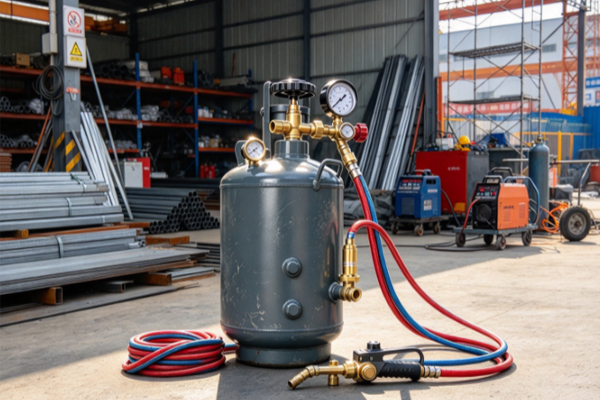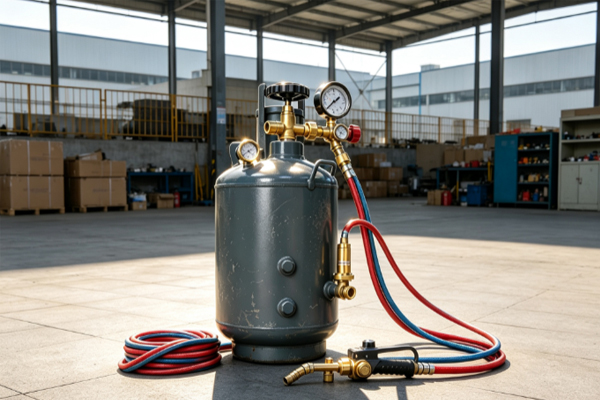
When using an acetylene tank for the first time, the biggest risk is not always a lack of knowledge. Sometimes it is simply thinking, “It should be easy enough.” Connecting the hose, opening the valve and starting the torch may look like a few simple steps, but small mistakes can quickly create safety problems. Acetylene is a highly flammable gas, and using a tank involves pressure, valves and gas supply equipment. For beginners, getting a few key steps right can prevent many common problems before they happen.
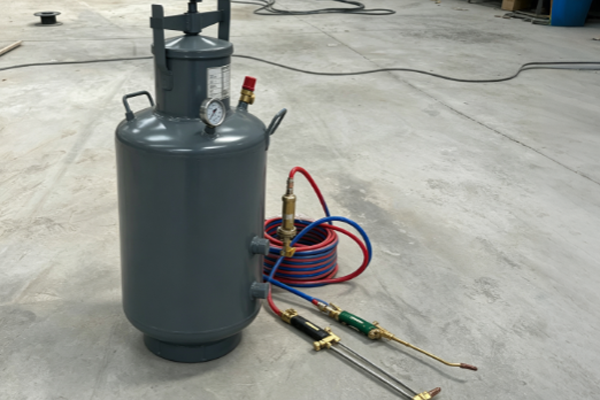
What Should You Check Before Using an Acetylene Tank?
Before starting the job, don’t rush to light the torch. Take a few minutes to inspect the tank and its connected equipment. This simple check can catch problems before the equipment is put under pressure. If you are new to acetylene equipment, pay particular attention to these points:
- Check the tank condition: Look for dents, serious corrosion, impact marks or other visible damage. If anything looks abnormal, stop using the tank.
- Inspect the valve and connections: Make sure the valve operates properly and the connections are not damaged or loose.
- Check the hose: Do not use hoses that are cracked, badly worn, burned or otherwise damaged. Never replace an acetylene hose with an unsuitable ordinary hose.
- Check the work area: Keep open flames, sparks and strong heat sources away from the tank, and make sure the working area has good ventilation.
These checks don’t take long, but they are worth doing every time. Pay extra attention when the tank has just been moved to a new work area or has not been used for a long period.
How to Connect and Open an Acetylene Tank Safely?
Once the acetylene tank is connected and supplying gas, careless operation can create unnecessary risks. Beginners often move too quickly or assume that a connection is acceptable just because it fits. The regulator, hose, fittings and torch should all be suitable for acetylene service, and equipment should never be modified without proper approval.
- Use the correct regulator: Select a pressure regulator designed for acetylene rather than using an unsuitable gas regulator.
- Check the connections again: After everything is connected, make sure the fittings are secure. If you notice signs of leakage, stop the operation immediately.
- Open the valve slowly: Avoid suddenly opening the valve. When operating the valve, keep your face and body away from the direct line of the connection.
- Keep the hose in a safe position: Do not allow vehicles to drive over the hose, and keep it away from welding sparks, hot metal and sharp objects.
When you are new to the equipment, taking things slowly is completely fine. Acetylene gas supply is not the place for “close enough” operation. A loose fitting or damaged hose can turn a normal welding or cutting job into a serious problem.
What Should You Do If an Acetylene Tank Leaks or Gets Hot?
If you notice an unusual smell, hear obvious gas escaping, or find that the tank, valve or fittings are becoming unusually hot, stop the operation and move away from the danger area. Do not keep working while trying to find the leak. Acetylene can behave differently from many ordinary gases when exposed to excessive heat, fire or flashback. A tank that has been seriously affected should not be moved, vented or repaired by untrained workers. It should be handled by properly trained professionals.
What Mistakes Do Beginners Often Make When Using an Acetylene Tank?
New users do not always break safety rules intentionally. More often, they simply develop a few bad habits without realizing it. These small mistakes are worth avoiding from the beginning:
- Laying the tank down during use: An acetylene tank should be kept upright and properly secured in line with the manufacturer’s instructions and applicable safety requirements.
- Keeping the tank too close to heat: Welding sparks, hot metal and other heat sources should not directly affect the tank or its fittings.
- Continuing to work after detecting a leak: If you notice an unusual smell or signs of leakage, stop the operation instead of thinking, “I’ll just finish this job first.”
- Taking the valve or regulator apart yourself: If a professional component develops a problem, don’t grab a wrench and start dismantling it. Have it checked or repaired by properly trained personnel.
Using an acetylene tank safely is not as complicated as it may seem, but safety should never depend on how many times you have used the equipment. Beginners should build a few simple habits from day one: inspect the equipment before use, make sure all connections are suitable, open valves slowly, keep the tank away from heat and stop immediately if you notice leakage, unusual heating or other abnormal conditions. If you are unsure about the equipment, do not modify or repair it yourself. Follow the manufacturer’s instructions and local safety requirements, and ask trained professionals for help when needed.