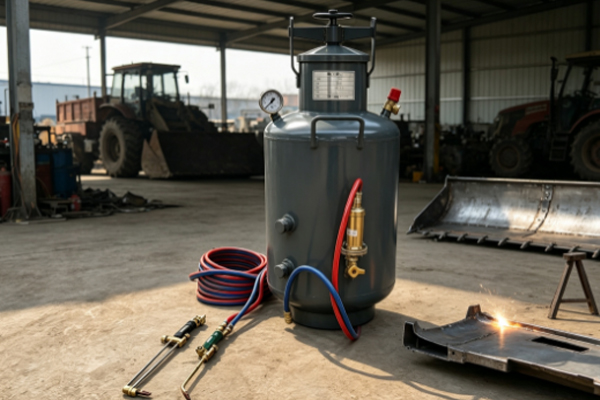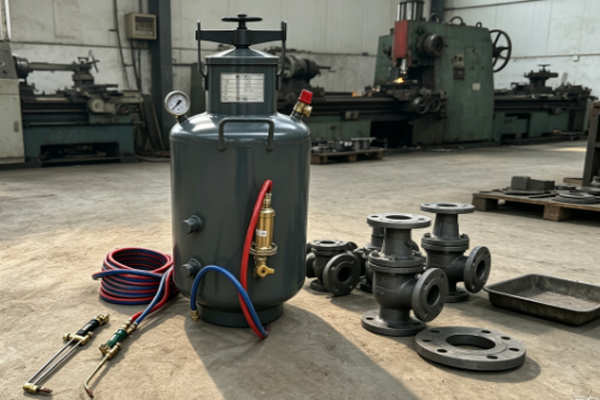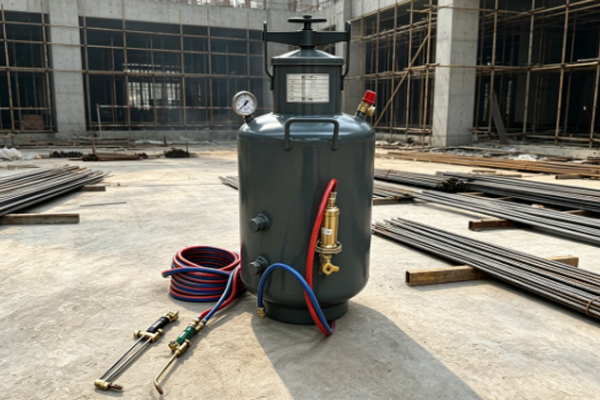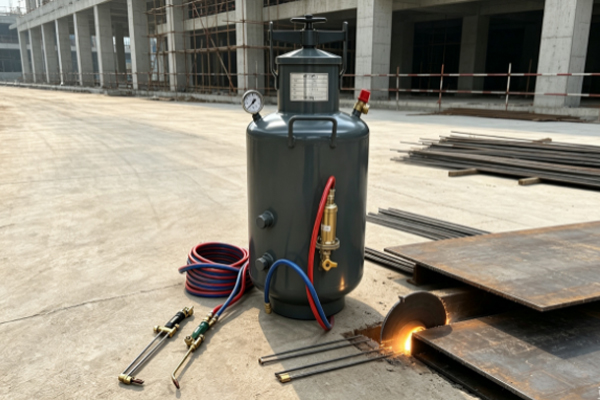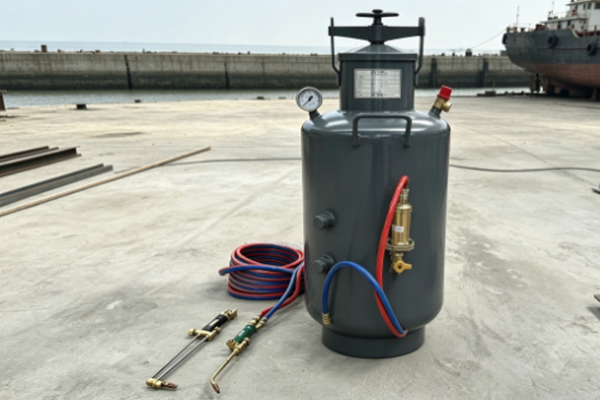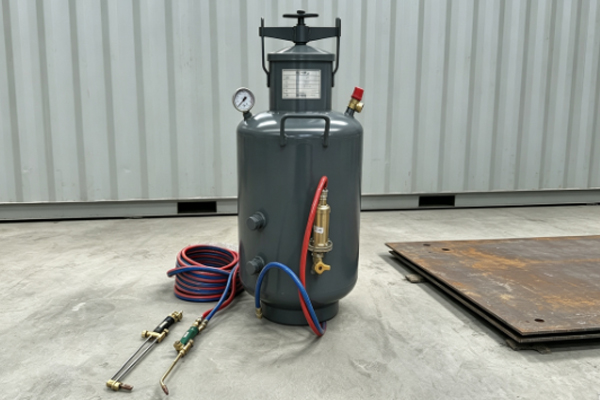
Where is the best place to store acetylene tanks in a workshop? Can they simply be left in a corner after use? What extra precautions are needed during hot summer weather? These are common questions in welding workshops, metal fabrication plants, and repair facilities. Acetylene is a flammable gas, so storage requires more than enough floor space. Ventilation, heat sources, sparks, and secure cylinder positioning all matter. Improper storage may seem harmless during normal operations, but high temperatures, impacts, or gas leaks can create serious risks. Good storage practices help reduce safety hazards and support the safe, proper use of acetylene storage equipment.
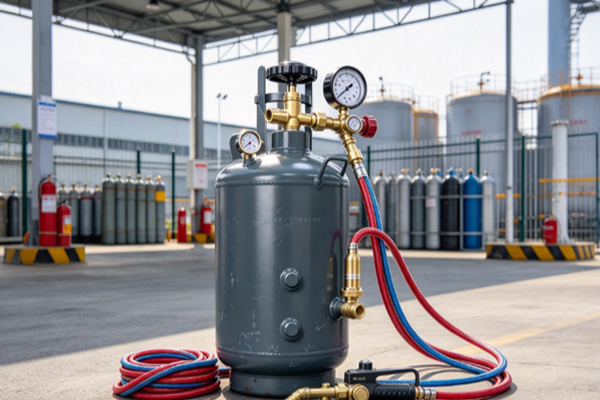
Where Should Acetylene Tanks Be Stored?
Choosing a suitable storage location makes everyday handling and safety management much easier. Workshops, warehouses, and temporary work areas have different conditions, so acetylene tanks should not be placed wherever there happens to be room next to a machine.
- Ensure good ventilation: Keep the storage area well ventilated to prevent leaked acetylene from accumulating in one location. Do not store cylinders in enclosed, low-lying, or poorly ventilated spaces.
- Keep away from ignition sources: Welding sparks, cutting flames, furnaces, and other ignition sources must be kept away from acetylene storage areas. The required separation distance should follow applicable regulations and the results of a site-specific risk assessment.
- Keep access routes clear: Stored cylinders must not obstruct evacuation routes, access to fire protection equipment, or routine handling. Even when warehouse space is limited, cylinders must not be stacked near emergency exits.
- Display clear warning signs: Post appropriate signs, including no-smoking and no-open-flame warnings, and restrict access by unauthorized personnel. This helps prevent smoking and spark-producing work near the storage area.
How Should Acetylene Tanks Be Stored After Use?
Some workshops overlook cylinder handling at the end of a shift. However, post-use checks are just as important as checks before operation. Cylinders should not simply be left unattended because no more gas is needed that day.
- Shut off the gas supply. After use, trained personnel should close the relevant valves in accordance with the equipment instructions and site procedures, then confirm that the equipment is in a safe condition.
- Inspect the exterior. Check for obvious dents, unusual corrosion, damage, or signs of leakage. If anything looks abnormal, do not dismantle valves or attempt to repair pressurized components yourself.
- Prevent cylinders from falling over. Acetylene cylinders must be stored in the required position under applicable rules and secured with suitable restraints. Do not simply lean them against machinery, corners, or objects that could move.
- Separate full and empty cylinders. Clearly label filled cylinders, cylinders awaiting use, and cylinders awaiting return, and store them in designated areas to prevent mix-ups. Empty cylinders must also be handled and stored in accordance with supplier instructions and site procedures.
What Should You Know About Storing Acetylene Tanks in Summer?
During hot weather, pay closer attention to temperatures and conditions around the acetylene storage area. Cylinders must not be left in direct sunlight for extended periods, and they should not be cooled using methods that do not meet safety requirements. During routine inspections, check for changes in direct sun exposure, nearby heat sources, and ventilation. If a cylinder becomes abnormally hot, shows signs of leakage, or is exposed to radiant heat from a fire, follow the site’s emergency procedures immediately. Do not attempt to move a cylinder that may be unsafe to handle.
What Storage Risks Should You Never Ignore?
- Keep different gases properly separated: Oxygen cylinders and cylinders containing other gases must be stored in accordance with applicable requirements, including any specified separation distances or barriers. Do not decide on placement based solely on available space.
- Do not carry out unauthorized hot work in the storage area or perform repairs that could generate sparks near cylinders. If work is necessary, put the required work permits and isolation measures in place first.
- What should you do if a leak is suspected? Never use an open flame to check for leaks, and do not operate electrical switches unnecessarily. Move away from ignition sources, evacuate in accordance with the site’s emergency procedures, and contact trained professionals to handle the situation.
- Inspect ventilation, cylinder restraints, warning signs, and surrounding conditions regularly. Report any abnormalities promptly and keep inspection records where required.
Safe acetylene storage is not just about keeping a warehouse tidy. It means placing cylinders correctly, securing them properly, keeping ignition sources away, and identifying abnormal conditions in time. Businesses should establish storage and handling procedures based on the cylinder type, equipment instructions, and applicable local safety requirements. If the current storage area is unsuitable or more cylinders are planned, provide a qualified supplier with details about gas demand and site conditions in advance. This helps assess suitable equipment configurations and storage arrangements before delivery, reducing the risk of discovering that the available space or safety conditions are inadequate after the equipment arrives.