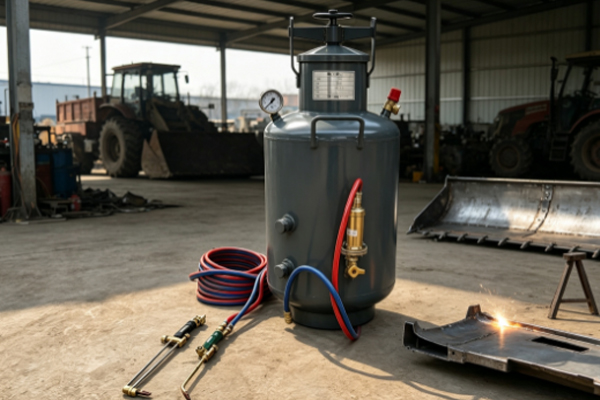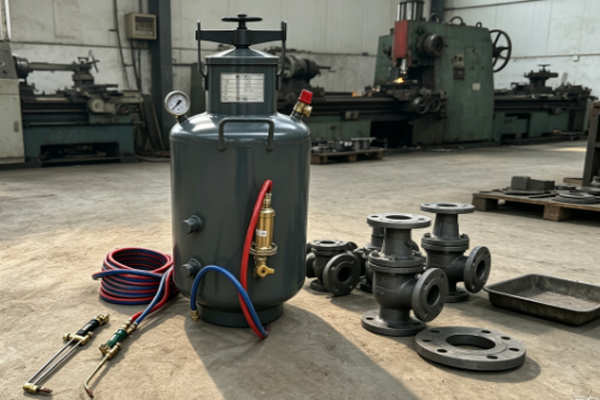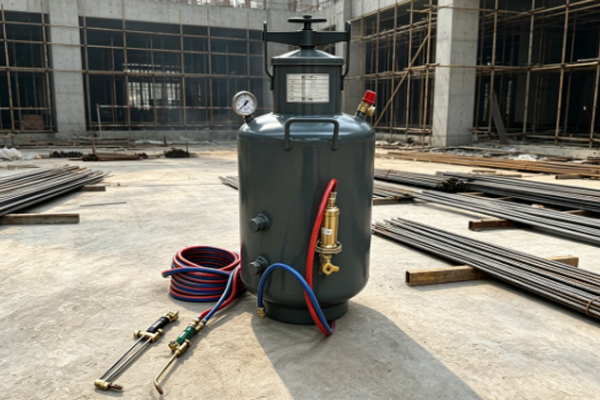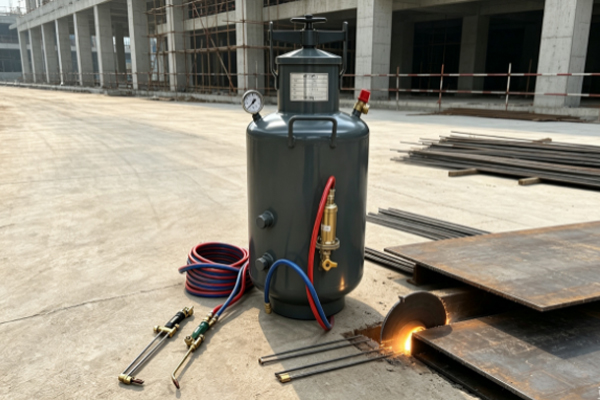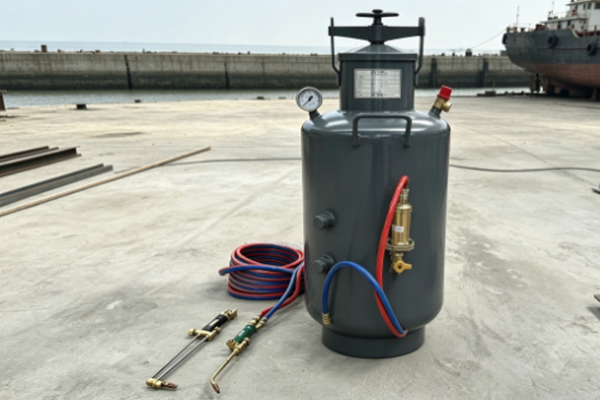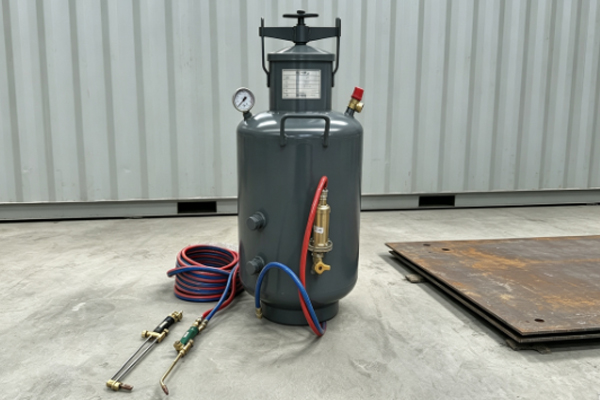
When preparing to install an acetylene storage tank, the biggest problem is not necessarily a lack of space. It is discovering after delivery that the location is unsuitable, the foundation does not meet requirements, or the piping layout needs to be changed. For welding shops, metal cutting facilities, and industrial plants, site conditions directly affect equipment placement and gas supply operations. Acetylene storage tank installation involves more than checking the tank dimensions. Ventilation, fire safety, site layout, and piping arrangements must also be assessed in advance. Checking these conditions before selecting equipment helps ensure a better fit and reduces unnecessary installation work.
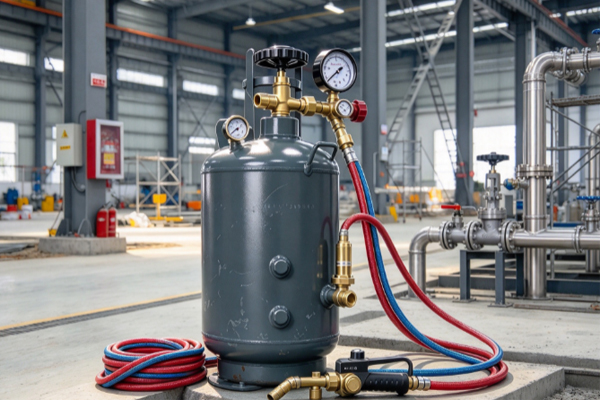
What Site Conditions Are Required for Acetylene Storage Tank Installation?
Choosing the right installation location makes daily operation and inspection much easier. In addition to allowing enough room for the equipment, the site must accommodate surrounding work activities, gas safety requirements, and routine maintenance.
- Keep away from ignition sources: The installation area should be separated from open flames, welding sparks, and other potential ignition sources in accordance with applicable fire safety requirements.
- Provide adequate ventilation: Ventilation must meet the equipment design requirements and applicable standards to prevent leaked acetylene from accumulating in the area. Enclosed spaces require particularly careful assessment.
- Allow sufficient operating space: Valves, instruments, and pipe connections must remain accessible for inspection and must not be blocked by other equipment or stored materials.
When space is limited, it is especially important to check the tank dimensions, proposed installation location, and piping route in advance. When selecting an acetylene storage tank, provide the site layout and intended application so qualified professionals can help assess whether the equipment is suitable for the planned location.
What Are the Foundation, Ground, and Drainage Requirements for Acetylene Storage Tank Installation?
A level-looking surface does not automatically make a site suitable for installation. The foundation design, load-bearing capacity, and anchoring method must meet the equipment’s design requirements. Different tank structures and installation methods may require different foundation specifications.
| Inspection Item | What to Check Before Installation | Why It Matters |
| Ground load capacity | Whether the ground can support the design load of the equipment and accessories | Affects equipment stability |
| Foundation structure | Whether the dimensions, strength, and anchoring method meet design requirements | Affects installation quality |
| Drainage | Whether water may accumulate or the foundation area may remain damp | Helps protect the installation area |
| Maintenance access | Whether instruments, valves, and connections can be inspected easily | Supports routine inspection |
If you are building a new gas supply area, determine the equipment model and installation plan before foundation work begins. If you plan to add a tank to an existing site, check the current foundation, access routes, and piping conditions before finalizing the equipment configuration. Confirming these details early can save time compared with making changes after delivery.
What Fire Safety Equipment and Piping Are Required for Acetylene Storage Tank Installation?
Installing an acetylene storage tank involves more than positioning the equipment. Fire protection facilities, safety signs, gas supply piping, and compatible accessories must also be considered. Required separation distances between the tank, buildings, other equipment, and electrical installations must be determined by qualified professionals based on the equipment type, hazardous area classification, and applicable local regulations. These distances should never be estimated casually.
Gas supply piping must match the equipment connections and intended application. Its route should be planned to avoid vehicle impacts, mechanical damage, and exposure to excessive heat. Leak-tightness testing, pressure testing, and commissioning must be carried out by qualified personnel in accordance with the relevant requirements. Never use an open flame to check for gas leaks.
How Do You Choose an Acetylene Storage Tank Suitable for Your Installation Site?
If you are comparing equipment models, do not focus only on external dimensions or individual specifications. The intended application, expected gas consumption, available space, and piping arrangement all influence equipment selection. Providing this information early helps narrow down suitable options and reduces the risk of choosing equipment that does not fit the site conditions.
- For welding or metal cutting: Describe the type of work, frequency of use, and gas supply requirements to help determine a suitable equipment configuration.
- For a new production workshop: Provide the site layout, designated installation area, and planned piping routes for an early assessment.
- For an existing facility upgrade: Explain the current foundation, access routes, and supporting facilities to determine whether installation adjustments may be necessary.
- When additional equipment is required: Share the connection specifications, accessory requirements, and gas supply system details so compatibility can be assessed.
Equipment selection and installation planning should go hand in hand. Choosing a tank that suits the site conditions makes subsequent installation and maintenance easier to manage. If you are planning an acetylene storage tank installation, share the intended application, estimated gas consumption, installation area dimensions, and site photos to discuss suitable equipment models and configurations. Early consultation helps clarify site requirements, identify compatible accessories, and reduce adjustments after delivery. Actual installation must be performed by qualified professionals in accordance with the manufacturer’s technical documentation and applicable local regulations.