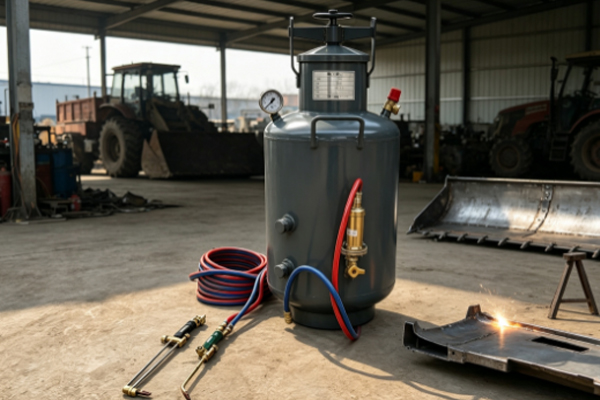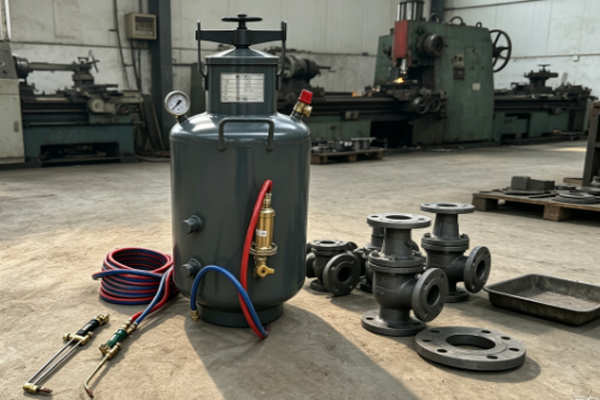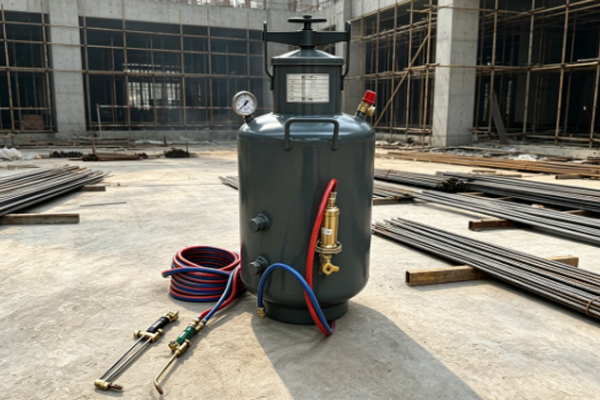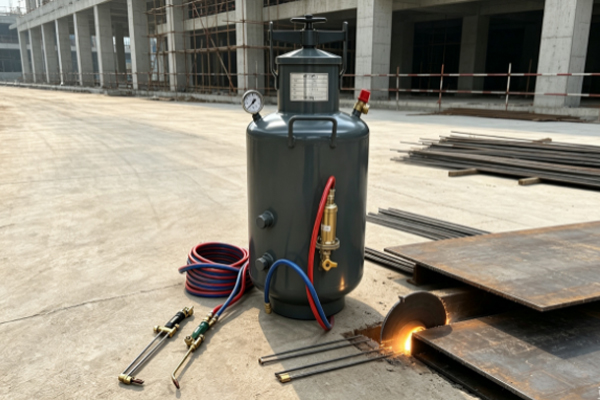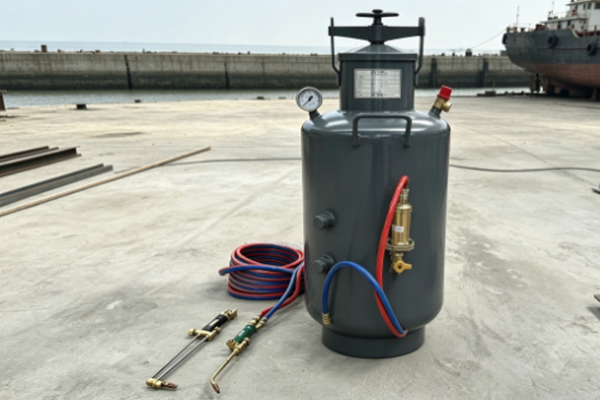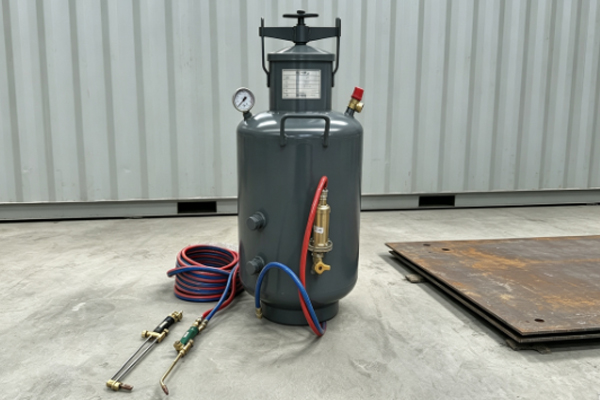
A larger acetylene storage tank is not always better, and choosing a common size does not guarantee it will meet your needs. A small welding workshop may use relatively little gas, so an oversized setup can increase costs unnecessarily. On the other hand, a steel fabrication or metal cutting plant with several machines running at once may experience an inadequate gas supply if the capacity is too small. So, how do you choose the right size? Start by identifying daily acetylene consumption, the number of machines operating simultaneously, and how often the gas supply can be replenished. Then check the equipment specifications and available installation space. If you are still unsure, share your factory’s gas usage requirements with us so we can help you assess a suitable equipment solution.
What Acetylene Tank Sizes Are Available? How Do You Choose the Right One?
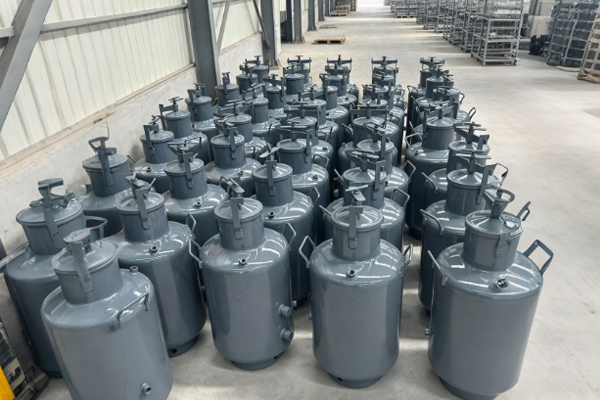
When comparing equipment, many people start by looking at figures such as 10L, 20L, and 40L. It is important to understand that these figures generally refer to the nominal water capacity of acetylene cylinders. They do not mean that the cylinder contains the same number of liters of acetylene gas. If your factory needs a centralized supply using multiple cylinders, you also need to consider the configuration of the entire cylinder bank rather than looking at the capacity of a single cylinder.
| Common Size or Configuration | Typical Application | Key Selection Considerations |
| 10L-class acetylene cylinder | Small repairs and occasional welding | Gas usage frequency and ease of replenishment |
| 20L-class acetylene cylinder | Small welding and repair workshops | Daily operating hours |
| 40L-class acetylene cylinder | Common industrial welding and cutting applications | Actual filling data and usage cycle |
| Multi-cylinder bank | Multiple gas-use points and continuous production | Simultaneous gas demand and supply system configuration |
These are reference sizes for common cylinders. Actual specifications should be confirmed using the manufacturer’s documentation. Dissolved acetylene is filled differently from ordinary compressed gases, so nominal cylinder capacity alone cannot tell you how much usable gas is available. If your factory needs a fixed storage installation or centralized gas supply system, explain the intended application first, then confirm the appropriate equipment type and capacity.
How Do You Calculate Acetylene Storage Capacity? How Much Gas Does a Factory Need Each Day?
You do not need to start with complicated formulas. First, get a clear picture of your workshop’s normal gas consumption. Estimate how much acetylene is used each day, how many hours the workshop operates, and how many machines typically run at the same time. Also consider how easily the gas supply can be replenished. This information is more useful than simply counting the machines.
- Check daily gas consumption: Review recent gas issue records, cylinder filling records, or invoices. Actual figures are preferable whenever available.
- Calculate peak demand: If four cutting machines often operate simultaneously, the supply plan should account for their combined demand rather than the needs of just one machine.
- Consider replenishment frequency: A setup that can be replenished daily may require a different configuration from one expected to support two or three days of operation between replenishments.
- Plan for future expansion: If you expect to add machines or extend operating hours, include these changes in your selection requirements.
Here is a simple example. Suppose a factory consumes approximately 20 kg of acetylene per day and wants enough gas to cover two days under its normal replenishment schedule. The preliminary gas demand would be around 40 kg. However, this is only a consumption estimate. It does not mean that purchasing a 40L cylinder will be sufficient. The actual number of cylinders and the appropriate supply method must be determined using filling data, simultaneous demand, and the supply system’s capacity.
Is a Larger Acetylene Storage Tank Always Better? How Do Size and Cost Differ?
A larger capacity does not necessarily mean better value. Larger equipment may require more installation space and increase transportation, installation, and piping costs. A setup that is too small, however, may require frequent replenishment and disrupt production schedules. A practical approach is to request the technical specifications and dimensional drawings for the proposed model, then check whether the equipment will fit the site, how the piping will be connected, and whether future inspection and maintenance will be convenient. A multi-cylinder bank also needs space for the manifold, valves, and safety accessories, so measuring the cylinders alone is not enough. Equipment type, specifications, and installation arrangements should be reviewed by qualified professionals. Gas supply configurations should never be changed simply to reduce costs without an appropriate technical assessment.
What If You Are Unsure Which Acetylene Tank Capacity to Choose? What Information Should You Prepare?
If you are not sure which size to choose, there is no need to keep guessing. Prepare information about your factory’s actual gas usage, then let us help assess the equipment capacity, acetylene storage tank dimensions, and supporting requirements. Before contacting us, it helps to prepare the following details:
- Approximate daily acetylene consumption: If you do not have accurate daily figures, weekly gas usage records can be a useful starting point.
- Number of welding or cutting machines: Indicate whether the machines operate one at a time or frequently run simultaneously.
- Available installation space: Provide the site’s length, width, and height, along with photos if possible.
- Required replenishment frequency: Let us know how often you want to replenish the gas and whether factory expansion is planned in the near future.
With this information, we can discuss suitable equipment types, capacity configurations, installation space, and supporting components. We can also help you check whether a quotation includes piping, accessories, transportation, and installation. Clarifying these details before the equipment arrives can reduce the risk of choosing the wrong size or paying for avoidable modifications later.
Choosing the right acetylene storage tank capacity is not about selecting the largest option. It is about matching the gas supply to your factory’s actual production needs. Whether you run a small welding workshop or a metal fabrication plant with multiple workstations, start by reviewing daily gas consumption, simultaneous machine usage, and replenishment intervals. If you are planning to purchase an acetylene storage tank, contact us with your gas consumption data and site details. We can help you assess the appropriate capacity, equipment dimensions, and supporting configuration, making it easier to plan both the equipment selection and your budget.