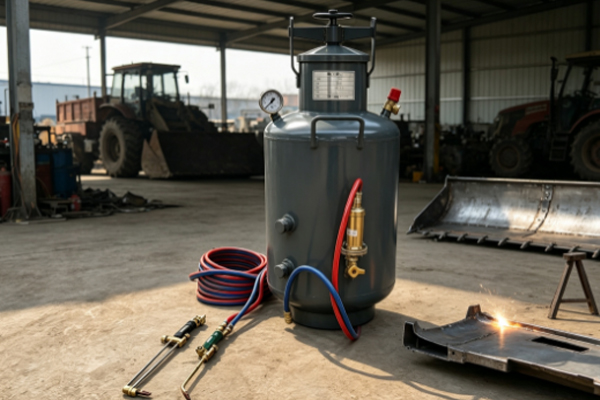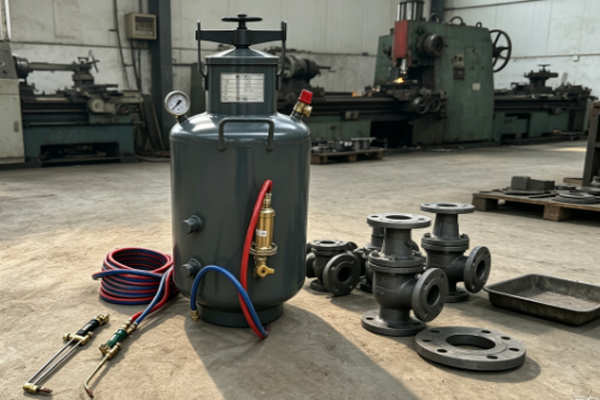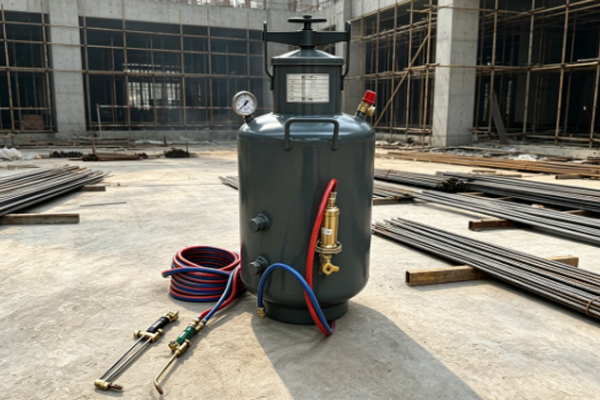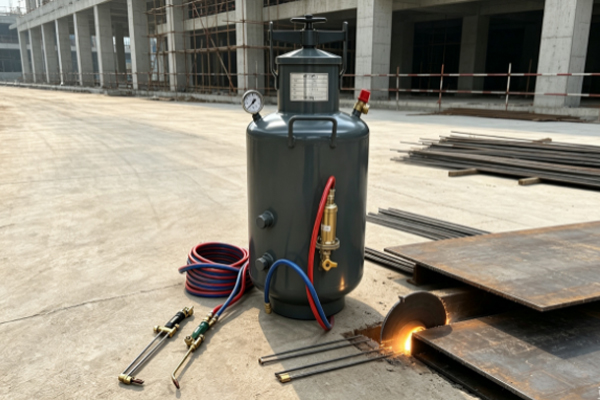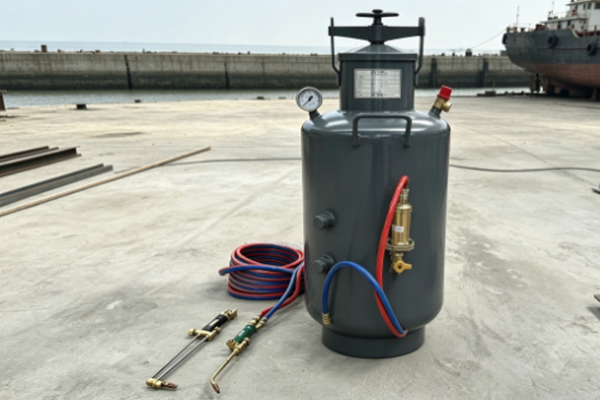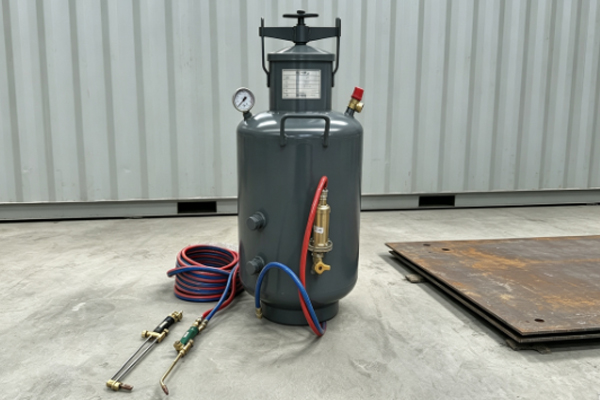
Buying an acetylene tank does not mean it can be used indefinitely as long as there is no visible damage. How many years has the equipment been in service? When does it need inspection? Can it be put back into operation after sitting unused for a long time? These are common questions for factory equipment managers. For welding, cutting, and other operations that require a continuous gas supply, discovering that a tank needs to be taken out of service just before its inspection deadline can disrupt production. Regular inspections are an essential part of safe acetylene tank use. Common dissolved acetylene cylinders are generally subject to a three-year inspection interval in some regulatory systems, but the actual requirements depend on equipment type, product specifications, and local regulations.
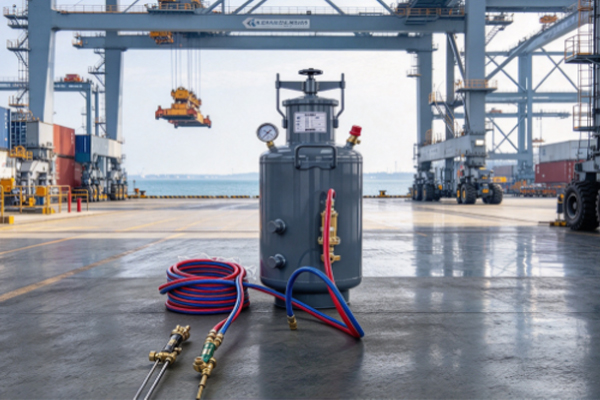
How Often Do Acetylene Tanks Need to Be Inspected? Is It Every Three Years?
For common dissolved acetylene cylinders, a three-year periodic inspection interval is often used as a reference. However, this interval does not apply to every type of acetylene tank. Stationary storage tanks and other pressure equipment may have different inspection requirements. Before purchasing or using a tank, check its nameplate, product documentation, and inspection reports to confirm its classification and next inspection date. Do not judge its condition based on service years alone.
- Common reference interval: Dissolved acetylene cylinders are generally inspected every three years under certain regulations.
- Plan ahead: Contact a qualified inspection organization before the inspection deadline.
- Check the date: Follow the markings on the equipment and its inspection report.
If you are purchasing a stationary acetylene tank or using equipment for projects in different countries and regions, do not automatically apply the three-year interval. The equipment type, design documentation, and applicable local requirements must all be checked. Scheduling inspections in advance also gives factories time to arrange replacement equipment and avoid unexpected production interruptions.
When Does an Acetylene Tank Need an Early Inspection?
A tank does not automatically remain safe to use just because its scheduled inspection date has not arrived. If it has been impacted, severely corroded, or involved in an unusual incident, the inspection date alone is not enough to determine whether it can continue operating. During daily use, operators should pay attention to changes in the tank exterior, valves, and connections. If anything unusual is found, suspend use and contact qualified personnel to determine whether an early inspection or repair is necessary.
- Corrosion: Visible rust or suspected damage.
- Impact damage: Dents or deformation after transportation or handling.
- Suspected leakage: An unusual odor near valves or connections.
- Accidents: Exposure to fire, heat radiation, or other abnormal conditions.
These conditions cannot be assessed reliably through visual inspection alone. Never attempt to dismantle, weld, or repair pressure-bearing parts, valves, or safety accessories yourself. If an acetylene leak is suspected, stop the relevant work immediately, stay away from ignition sources, evacuate according to the site’s emergency procedures, and contact qualified personnel.
What Is Checked During a Regular Acetylene Tank Inspection?
A periodic inspection involves more than checking whether the tank exterior is rusty. It may also cover the tank body, internal porous material, valves, and relevant safety components. Dissolved acetylene tanks have a different internal structure from ordinary compressed gas equipment, so inspection procedures must follow the applicable product standards and safety requirements. Inspections should be performed by an appropriately qualified organization. Do not carry out pressure tests or dismantle the equipment yourself. After inspection, keep the report and related records, and check the next inspection date marked on the equipment. When purchasing a new tank, retain its product certificate, manufacturing documents, and technical specifications. These records make future maintenance, inspections, and equipment handovers much easier.
Can an Acetylene Tank Still Be Used After Its Inspection Deadline?
Equipment that has passed its inspection deadline should not be put back into service simply because no obvious problem has been found. It should be taken out of service and inspected in accordance with applicable requirements. Operation can resume only after it has been confirmed to meet the relevant conditions. If a tank has been stored for a long period and the idle time exceeds an inspection interval, check whether a new inspection is required before restarting it. Factories with continuous gas consumption should record inspection dates in advance and arrange backup equipment or an alternative gas supply to avoid production delays while tanks are being inspected.
If there is no convenient acetylene refilling station nearby and a project requires a large, continuous gas supply over an extended period, a mobile acetylene generator may also be worth considering. For short-term projects with occasional gas consumption and convenient access to refilling services, conventional acetylene tanks are generally more suitable. We supply industrial acetylene tanks and can discuss specifications, configurations, and technical documentation based on your project requirements. If you are purchasing or replacing equipment, share your application, required specifications, and order quantity to request product information and a quotation. For projects with continuous gas demand, you can also ask about our mobile acetylene generator options.
How often an acetylene tank needs inspection depends on its classification, operating conditions, and whether any abnormal events have occurred. Common dissolved acetylene cylinders may follow a three-year inspection interval under certain regulations, but the actual requirements must be confirmed through equipment documentation and applicable local rules. Planning inspections in advance, keeping complete equipment records, and selecting tanks with suitable specifications and documentation can help prevent unexpected downtime and keep your gas supply running smoothly.