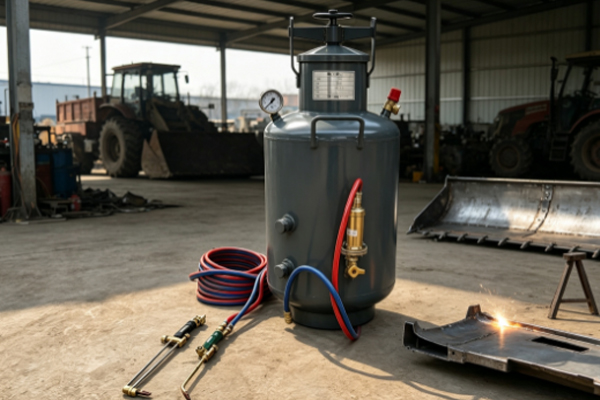
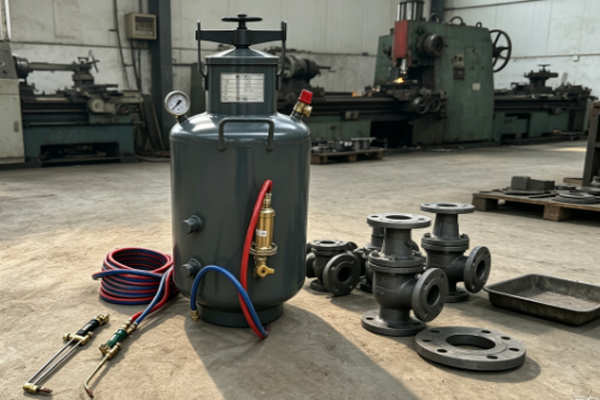
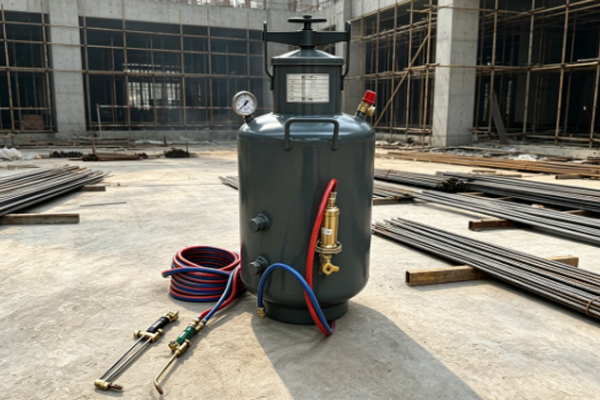
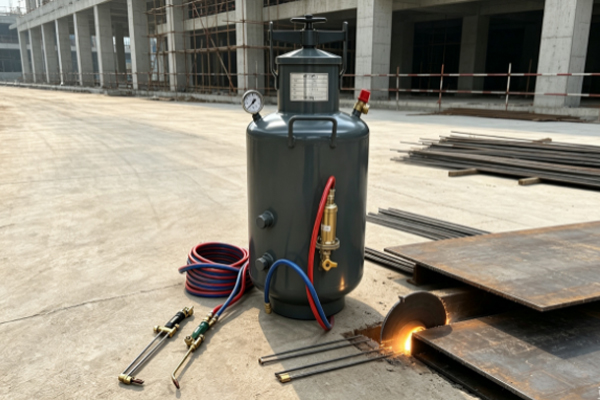
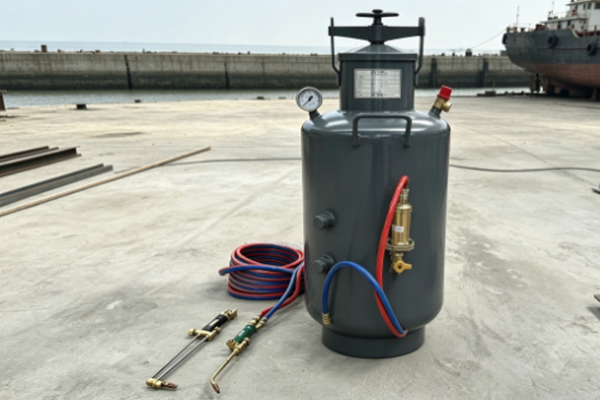
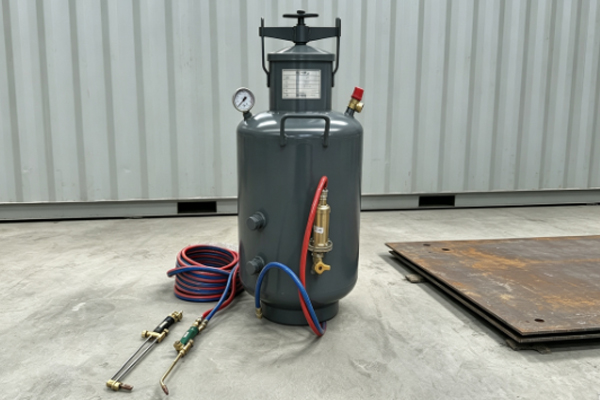
When purchasing an acetylene tank, many buyers want to know the price difference between an empty cylinder and one already filled with acetylene gas. Buying an empty tank may seem cheaper at first, but you will still need to find a filling station later. Purchasing a full cylinder is more convenient, although the initial cost is higher. More importantly, acetylene is a consumable gas, so filling and transportation expenses can add up over time. To calculate your actual purchasing budget, you need to look beyond the cylinder price and consider the ongoing costs of using it.
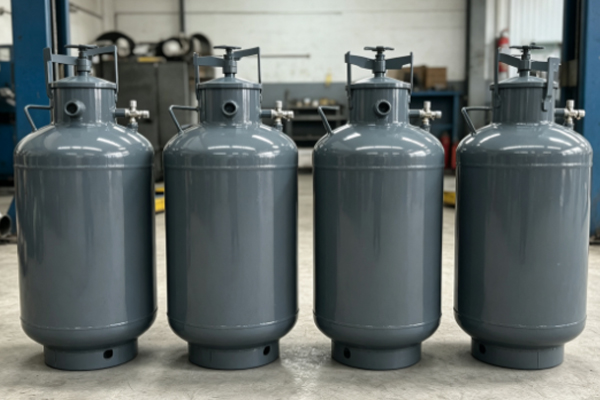
How Much Does an Empty 40L Acetylene Tank Cost Compared to a Full One?
Acetylene tank prices depend on capacity, manufacturing standards, valve configuration, order quantity, and sales location. As a reference, a standard 40L acetylene cylinder may cost around $50–$100 per empty cylinder for bulk purchases. A filled cylinder may require a budget of approximately $100–$250 per unit. These are preliminary price estimates, not universal market prices. Actual quotations depend on the product specifications and delivery terms.
Typical costs can be estimated as follows:
- Empty 40L cylinder: Around $50–$100.
- Filled 40L cylinder: Around $100–$250.
- One gas refill: Around $30–$150.
- Transportation: Quoted separately based on distance and delivery conditions.
Keep in mind that the price of a filled cylinder is not always equal to the empty cylinder price plus one refill charge. Some quotations include cylinder deposits, inspection services, or delivery fees. Always check what is included before comparing prices.
How Much Does It Cost to Refill an Acetylene Cylinder?
There is no fixed global price for acetylene refilling. Even for the same 40L cylinder, gas supply costs can vary considerably between countries and regions. In areas with plenty of filling stations, refilling may be relatively affordable. In locations with limited supply options, transportation and delivery can increase the total cost.
- Gas price: Depends on local raw material and supply conditions.
- Filling service: Charges vary between filling stations.
- Transportation: Long-distance delivery adds to the cost.
- Cylinder maintenance: Inspection, repairs, and accessory replacement also require a budget.
If acetylene is used every day, keep track of how many refills are needed each month. For example, if you refill cylinders 10 times a month and each refill costs just $20 more than another available option, the additional expense reaches $2,400 per year. A small difference per refill can become a significant expense over time.
What Hidden Costs Should You Consider When Using Acetylene Tanks Long-Term?
Buying an empty cylinder does not mean there will be no further expenses. For long-term welding, cutting, and industrial production, cylinders need regular rotation, refilling, transportation, and maintenance. On job sites with high gas consumption, an insufficient number of cylinders may also cause work delays while waiting for replacements.
The ongoing costs of traditional acetylene cylinders generally include gas purchases, filling services, solvent losses, cylinder depreciation, and logistics. Cylinders must also be inspected and maintained in accordance with applicable regulations and manufacturer requirements. For short-term projects, occasional gas consumption, or factories located near filling stations, traditional acetylene tanks are usually more convenient because there is no need to invest in additional gas-generating equipment.
Is a Mobile Acetylene Generator Cheaper Than Buying Filled Cylinders?
If your operation consumes large quantities of acetylene every day, repeatedly purchasing filled cylinders and arranging transportation may not be the most economical option. For long-term, continuous operations in areas without acetylene filling stations, a mobile acetylene generator is worth considering. It produces acetylene on-site through a chemical reaction between calcium carbide and water. Its water-displacement control system regulates gas production: when internal pressure rises, water moves into a separate storage tank and the reaction stops. As gas is consumed and pressure drops, water returns to the reaction area and gas production resumes.
This solution reduces the need to repeatedly purchase pre-filled cylinders and pay for empty-cylinder returns and full-cylinder deliveries. Under suitable operating conditions, the total long-term cost may be reduced by approximately 40%–60%. Actual savings depend on equipment investment, calcium carbide prices, gas consumption, and maintenance expenses. The two options are suitable for different situations:
- Short-term projects: Traditional acetylene cylinders offer flexibility.
- Occasional use: Refilling cylinders as needed is convenient.
- Long-term production: Consider a mobile acetylene generator.
- High gas consumption: Focus on total long-term operating costs.
The price difference between an empty acetylene tank and a filled one is only part of the purchasing decision. What really matters is the total cost throughout the equipment’s service life. We offer acetylene tanks in different specifications and mobile acetylene generators for welding, cutting, and industrial applications. If you are comparing purchasing options, tell us your required specifications, estimated gas consumption, order quantity, destination country, and port. We can calculate equipment and transportation costs and recommend a suitable gas supply solution.