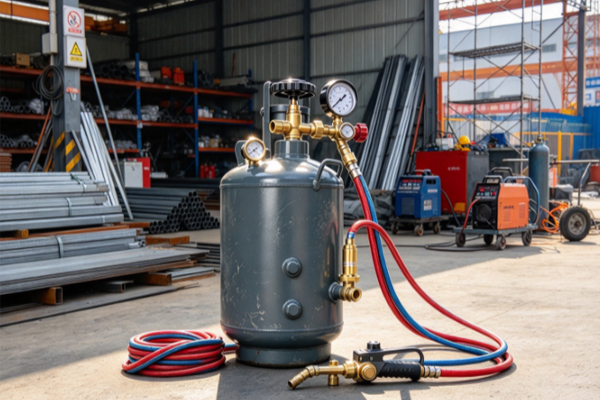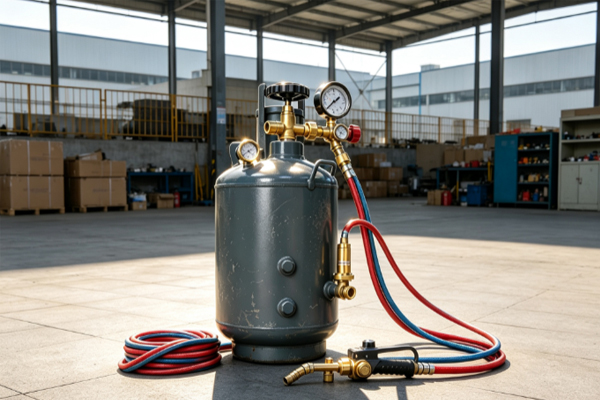
When purchasing acetylene storage tanks for export, many buyers have the same question after receiving a quotation: “Why is this price different from the one I received before?” The acetylene storage tank price is not simply calculated based on tank size. Specifications, materials, fittings, export packaging, shipping methods, and destination requirements can all affect the final quotation. For overseas purchases, the factory price is also different from the total cost of getting the equipment to the buyer. If you want to prepare an accurate budget, every item on the quotation is worth checking carefully.
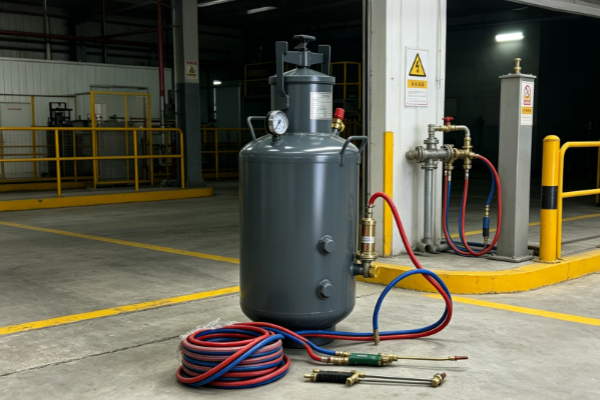
What Costs Are Included in an Acetylene Storage Tank Export Quotation?
When requesting an export quotation, it is helpful to break the price down into separate items. Some suppliers quote only the equipment itself, while others include certain export services. These quotations should not be compared directly without checking what is included.
- Equipment price: This is normally the basic part of the quotation and is related to tank specifications, design requirements, and manufacturing configuration.
- Accessories and supporting components: Valves, fittings, instruments, supports, and other configurations can all affect the final price.
- Export packaging: Overseas transportation usually involves longer transit times and more loading and unloading. Wooden cases, reinforcement, and protective packaging may add extra costs.
- Documentation and export services: Some orders may include packing lists, commercial invoices, customs documents, and other export-related services. Confirm in advance whether these costs are included.
After receiving a quotation, it is better to separate the equipment price from the export-related costs. This makes it easier to see the real cost and prevents unexpected charges from appearing later.
Why Do Acetylene Storage Tank Prices Vary So Much?
Two products may both be described as acetylene storage tanks while having very different specifications and configurations. If an overseas buyer provides only a general product name, the supplier can usually offer only a preliminary price. A formal quotation requires more technical information.
- Tank specifications: Different dimensions, capacities, and structural designs can lead to different manufacturing costs.
- Materials and manufacturing requirements: Material selection, welding processes, and inspection requirements may vary from one project to another.
- Connection configuration: The number, size, and position of inlet and outlet connections can affect the workload when customized fittings are required.
- Export destination: Different countries may have their own requirements for equipment documentation, packaging, transportation, and import procedures.
So, if two acetylene storage tank prices look very different, it is better not to decide immediately which supplier is more expensive. Check the specifications, configuration, and quotation scope first. A large part of the price difference may come from these details.
How Are Shipping Costs Calculated for Exporting Acetylene Storage Tanks?
Shipping costs for acetylene storage tanks cannot be determined separately from the actual cargo dimensions and destination. Equipment volume, weight, loading method, and transportation route can all affect the final logistics cost. For larger equipment, loading and unloading conditions and handling requirements at the destination port also need to be considered.
When requesting a quotation, buyers should provide the destination country, city, or port and confirm the packaged dimensions and weight of the equipment. This gives the supplier and logistics provider enough information to estimate transportation costs more accurately. For sea freight, it is also important to confirm whether the equipment will be shipped in a full container or by another method. If the tank has unusual dimensions, transportation feasibility should be checked before production to avoid problems after the equipment is completed.
How Can You Confirm the Final Quotation for an Export Purchase?
If you are preparing to purchase an acetylene storage tank from overseas, don’t simply ask, “How much does an acetylene storage tank cost?” The more complete the information you provide, the closer the quotation will be to the actual purchasing cost. It also becomes easier to compare quotations from different suppliers.
- Provide the application requirements: Tell the supplier the intended use, planned quantity, and basic specifications so the correct equipment can be quoted.
- Confirm the quotation scope: Ask whether the price is an ex-factory price, FOB price, or another trade term, and whether shipping, packaging, and export services are charged separately.
- Provide the destination: State the destination country and port or city so transportation and related export costs can be estimated.
- Confirm technical documents: If the project requires dimensional drawings, material documents, inspection records, or other paperwork, mention these requirements during the quotation stage.
- Request a final quotation: Before placing the order, confirm the equipment, accessories, packaging, shipping, and other costs item by item to avoid unexpected expenses later.
For export purchasing, the key point is not simply the equipment unit price but the total cost of the complete order. Confirming the quotation scope, shipping method, and technical configuration in advance gives the acetylene storage tank price a much more useful reference value. If the project has a tight budget, you can also ask the supplier to provide the equipment price and shipping cost separately, making the final calculation easier.
When purchasing acetylene storage tanks for export, the quoted equipment price is only one part of the decision. The bigger problem can be an unclear quotation. Specifications, accessories, export packaging, trade terms, and shipping costs should all be confirmed before placing an order. For overseas purchases, quotations from different suppliers are difficult to compare when they use different pricing conditions. Providing complete technical parameters and destination information, then requesting a formal quotation, can save time and make it easier to control the overall purchasing budget.