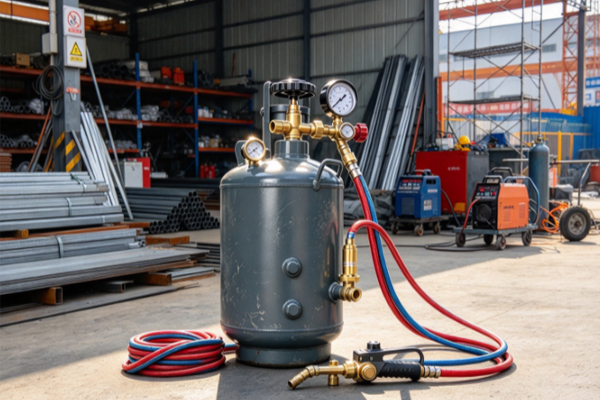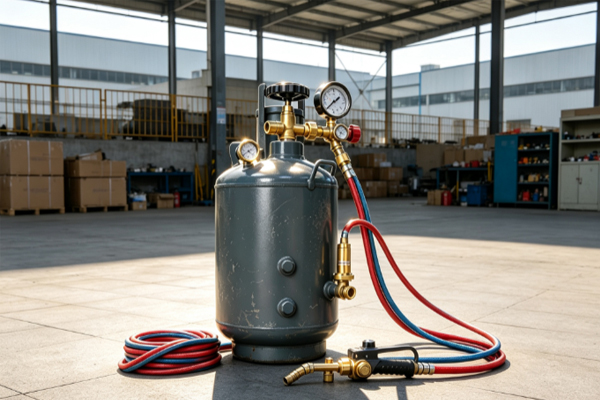
Gas torch work may look as simple as using a cutting or welding torch, but once you start using it regularly, the acetylene supply becomes an important issue. If the tank is too small, you may need to replace or refill the gas supply frequently, leaving workers waiting and slowing down production. If it is too large, you may spend more than necessary and lose valuable workshop space. Most buyers simply want to know: “With our daily workload, what size should we buy?” The right acetylene storage tank size depends on the number of torches, working hours, and material thickness. Here are some common size references to make purchasing easier.
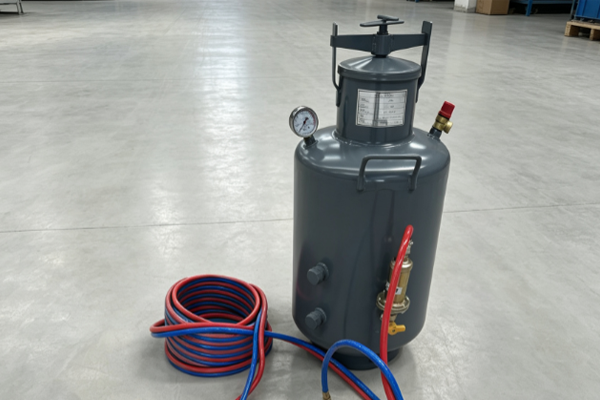
What Size Acetylene Storage Tank Is Commonly Used for Torch Operations?
Acetylene consumption can vary greatly between different torch applications. A repair station and a steel structure workshop obviously do not need the same tank size. When purchasing, start by looking at the daily working hours and the number of torches operating at the same time. Common small and medium sizes can be used as an initial reference, but the final capacity should be confirmed with the equipment supplier based on actual working conditions.
Common size references include:
- Around 10L: Suitable for repairs, occasional cutting, and short torch operations.
- Around 20L: Suitable for small processing shops with a certain amount of daily gas cutting.
- Around 40L: Suitable for regular workshops carrying out continuous cutting, heating, and similar operations.
- Around 60L: Suitable for production sites with longer working hours and steady gas consumption.
If the job mainly involves equipment repairs or cutting a few thin steel plates, a 10L to 20L unit may be more convenient. For workshops with regular daily cutting work, a 40L to 60L unit can reduce the need for frequent gas replacement. These are purchasing references rather than universal requirements for every torch.
What Size Acetylene Storage Tank Is Suitable for 8 Hours of Daily Work?
When equipment is used for long periods, tank capacity should not only be judged by whether it can supply gas, but also by whether frequent replacement will interrupt production. A workshop may operate for eight hours a day but only use one torch intermittently. That is very different from a workshop where three or four torches operate continuously. Actual working patterns need to be considered when selecting the acetylene storage tank size.
A rough guide is:
- One torch with intermittent operation: Consider around 20L to 40L.
- One to two torches with long daily working hours: Around 40L to 60L may be more suitable for continuous work.
- Several torches operating at the same time: Consider 60L, 80L, or a larger gas supply configuration.
- Large workshops with continuous operations: Avoid relying only on small-capacity equipment. Ask the supplier to design the gas supply based on actual consumption.
Torch model, nozzle size, flame adjustment, and cutting material can all change actual acetylene consumption. Daily working hours alone are not enough. When requesting a quotation, it is better to provide the supplier with the number of torches and their actual operating time.
Does Steel Plate Thickness Affect Acetylene Storage Tank Size?
Yes, and the impact can be significant. Cutting thin steel plates requires a different amount of gas from cutting thick steel plates. If a factory mainly processes thin sheets, there is little reason to purchase oversized equipment just for occasional thick-plate work. On the other hand, using a small storage tank for regular thick-plate cutting can lead to frequent gas replacement.
During actual operations, pay attention to:
- Thin plates and thin-wall pipes: Gas consumption is generally lower, making small or medium-sized equipment easier to use.
- Medium-thickness steel plates: Longer cutting periods increase acetylene consumption, so sufficient storage capacity is needed.
- Thick plates and large steel components: When several torches are used for long periods, 80L, 100L, or larger gas storage solutions may be more appropriate.
If the materials processed by the factory vary frequently, do not calculate the equipment size using only the thinnest material. Providing the supplier with the most common material thickness, daily operating hours, and number of torches in use will give them a much clearer picture than simply asking for “a larger tank.”
What Else Should Be Considered When Choosing an Acetylene Storage Tank for Torch Operations?
In addition to capacity, the available installation space, compatibility with the gas supply system, and daily operating habits should also be considered. A small workshop may care more about equipment footprint and mobility, while a large factory may place greater emphasis on continuous gas supply. Giving the supplier clear information about actual working conditions makes it easier to select an appropriate specification instead of simply choosing the largest available tank. Acetylene equipment is specialized pressure equipment, so its specifications, installation, and operation should follow the manufacturer’s technical documentation and applicable local safety requirements.
There is no single acetylene storage tank size that works for every torch operation. Small repairs and occasional cutting can use around 10L to 20L as a reference; regular workshop operations can consider around 40L to 60L; multiple torches or continuous cutting of thick steel may require 80L, 100L, or larger gas storage configurations. When purchasing, provide details about torch quantity, material thickness, and daily working hours. This makes it easier to select the right acetylene storage tank size without spending extra on excessive capacity or dealing with insufficient gas supply.